
Troubleshooting Guides
Step-by-step fixes for baler, shear, crusher and shredder faults - jamming, blade wear, hydraulic leaks and output drift, from our service engineers. Good machines, built by Yuantong.
How To Maintain Metal Shredder Blades
In the metal recycling business, your shredder blades are your most significant ongoing expense. I have seen many yard owners treat their shredder like a "black box"—they feed it scrap until the motor bogs down or the output becomes unrecognizable.
As an engineer, I can tell you that dull blades are a profit killer.They increase your electricity bill by forcing the motor to work harder and decrease your throughput by failing to shear the material efficiently. Maintaining your blades isn't just about "keeping them sharp"; it’s about managing mechanical tolerances and material science.
1. Manage the Blade Clearance (The "Gap")
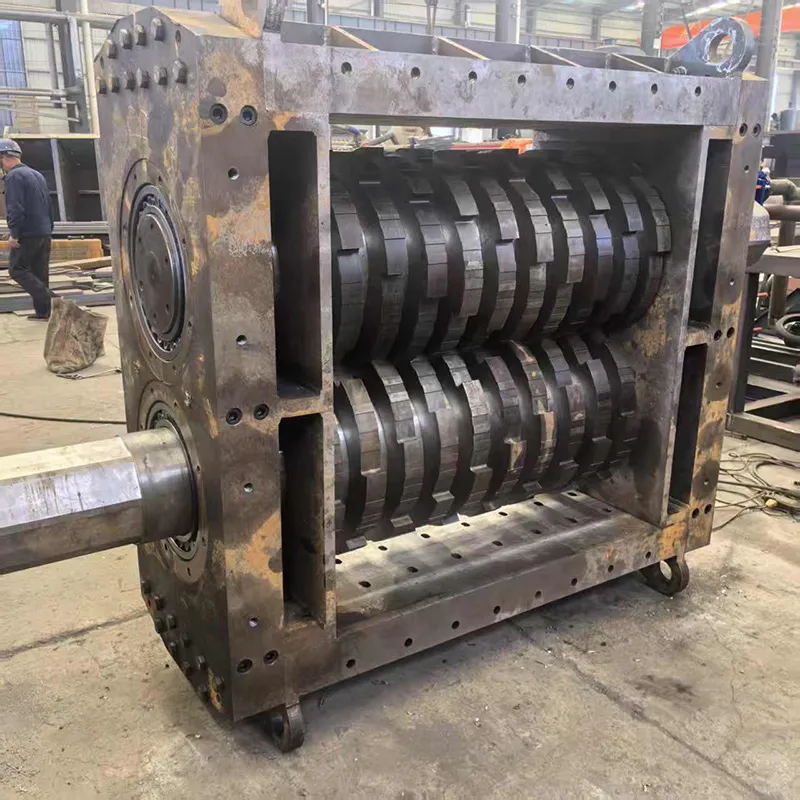
In a double-shaft shredder, the gap between the rotating blades and the spacers (or the fixed blades) is critical.
Engineer’s Logic:If the gap exceeds 1.5mm to 2mm (depending on the material), thin scrap like aluminum sheets or wire will "wrap" around the shaft instead of being sheared. This creates friction, generates heat, and can eventually lead to a broken shaft.
The Fix: Weekly checks are mandatory. Use a feeler gauge to measure the clearance. If the gap is widening due to lateral wear, you may need to adjust the tightening nut on the main shaft or replace the spacers.
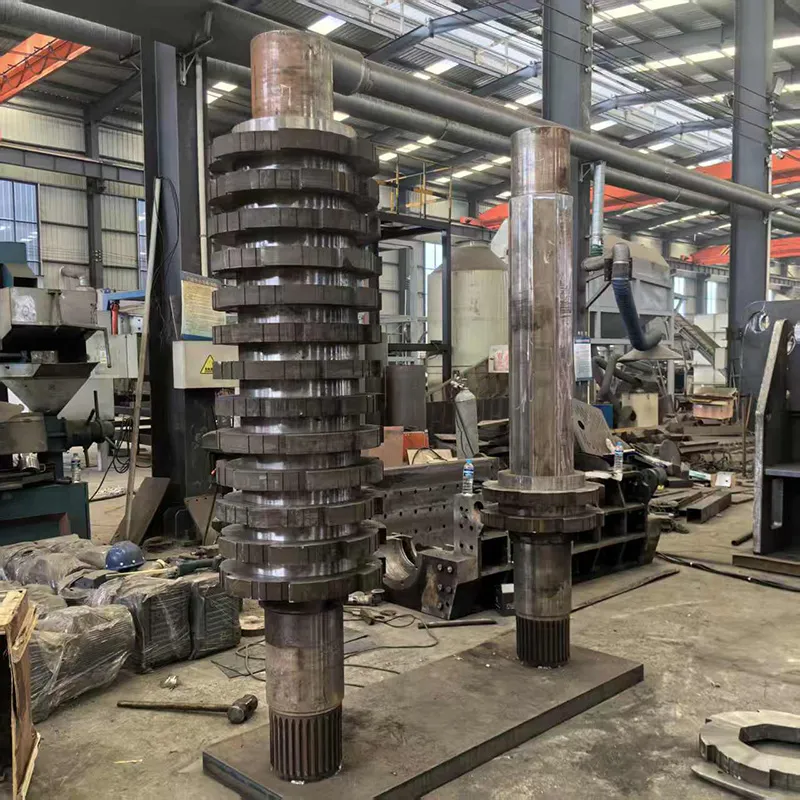
2. The Hard-Facing Technique: Don’t Just Replace, Rebuild
Many new operators think that once a blade edge is rounded, it’s time for the bin. That is a waste of money.
Experience Tip:We recommend a process called "Hard-Facing."By using specialized welding rods (high-chromium or tungsten carbide), you can build up the worn edges of the blade.
Caution:This requires expertise. If you apply too much heat during welding, you can ruin the heat treatment (temper) of the original tool steel (like H13 or Cr12MoV), making the blade brittle. Always allow the blades to cool naturally; never quench them in water.


3. Pre-Sorting: Protect Your Consumables
The fastest way to destroy a set of blades is to feed the shredder "unshreddables."
Field Reality:If your line is designed for light steel scrap, a single piece of heavy truck axle or a massive cast-iron engine block can chip a manganese steel blade instantly.
The Fix:Implement a strict pre-sorting protocol. Removing heavy structural scrap and pressurized containers not only saves your blades but also prevents catastrophic internal damage to the gearbox.
4. Lubrication and Heat Management
Friction is the enemy of blade longevity. In high-capacity lines, the friction between the blades and the scrap can raise temperatures enough to soften the steel.
The Fix:For specific materials like rubber-heavy scrap or plastic-coated wire, consider a water-mist cooling system. Additionally, ensure the main shaft bearings are automatically greased to prevent thermal expansion that could push the blades out of alignment.
FAQ: Real Questions from the Shop Floor
Q: How many hours do shredder blades typically last?
A:There is no "perfect" number. In my experience, a set of high-quality alloy steel blades will last between 800 to 1,500 working hours. If you are processing clean aluminum, it will be on the high end; if you are processing contaminated steel scrap, expect the low end.
Q: Can I regrind my blades on a standard grinder?
A:Yes, but you must maintain the original cutting angle. If the angle becomes too obtuse, the blade will "push" the material rather than "bite" into it, leading to increased vibration and motor load.
Q: Why are my blades chipping instead of wearing down smoothly?
A:Chipping usually means the material is too hard (brittle) or you have hit an "unshreddable" object. It can also happen if the blade was poorly heat-treated during a previous hard-facing repair.
Optimize Your Shredder’s ROI
A shredder is only as good as its blades. If you are noticing a drop in production or a spike in your energy costs, it’s time for a blade audit. Our engineering team can provide technical guidance on hard-facing materials and blade gap adjustments to help you get the maximum tonnage out of every set.
Consult an Engineer for a Blade Maintenance Audit
Online message