
Hydraulic Scrap Metal Balers
Hydraulic balers from 125 to 2000 ton compact scrap steel , aluminium and copper scrap into bales of 0.8-1.8 t/m3. Chamber size, bale section and discharge are built to your yard; every machine is load-tested before shipment. PLC or manual control available.
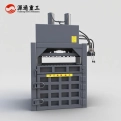
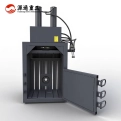
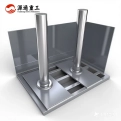
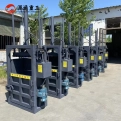
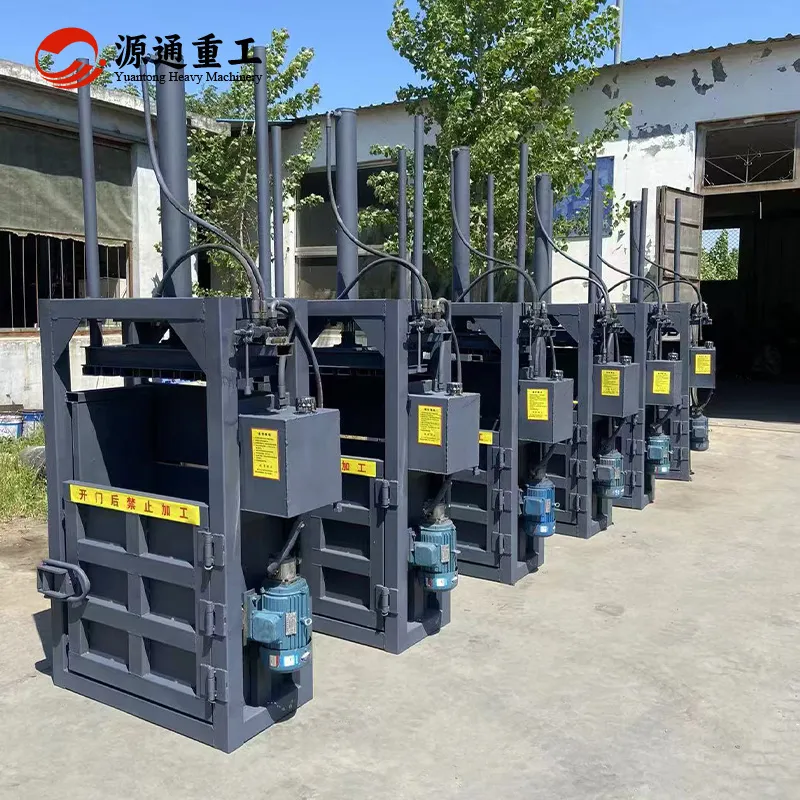
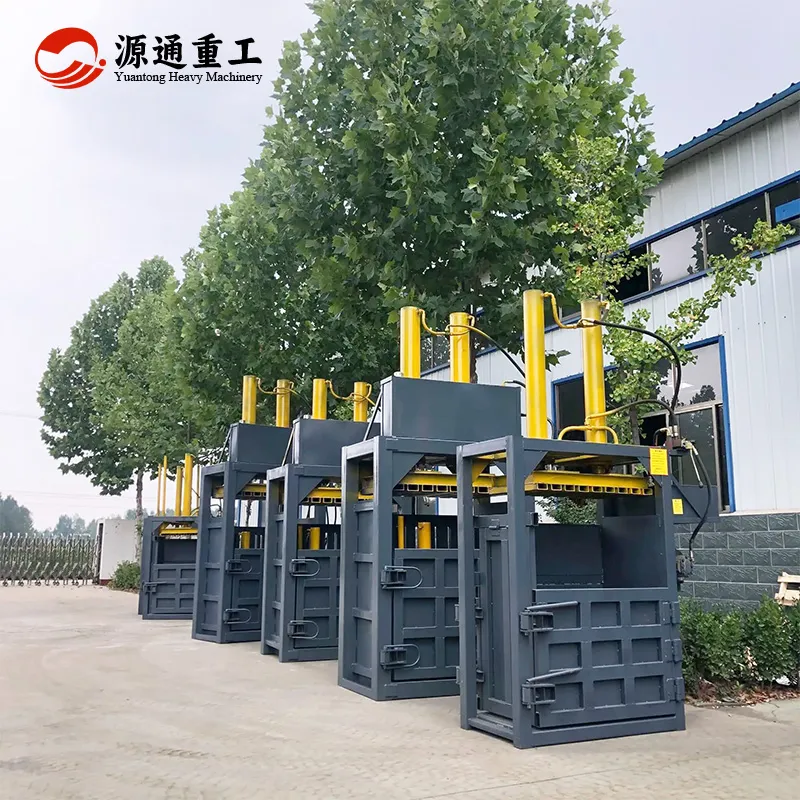
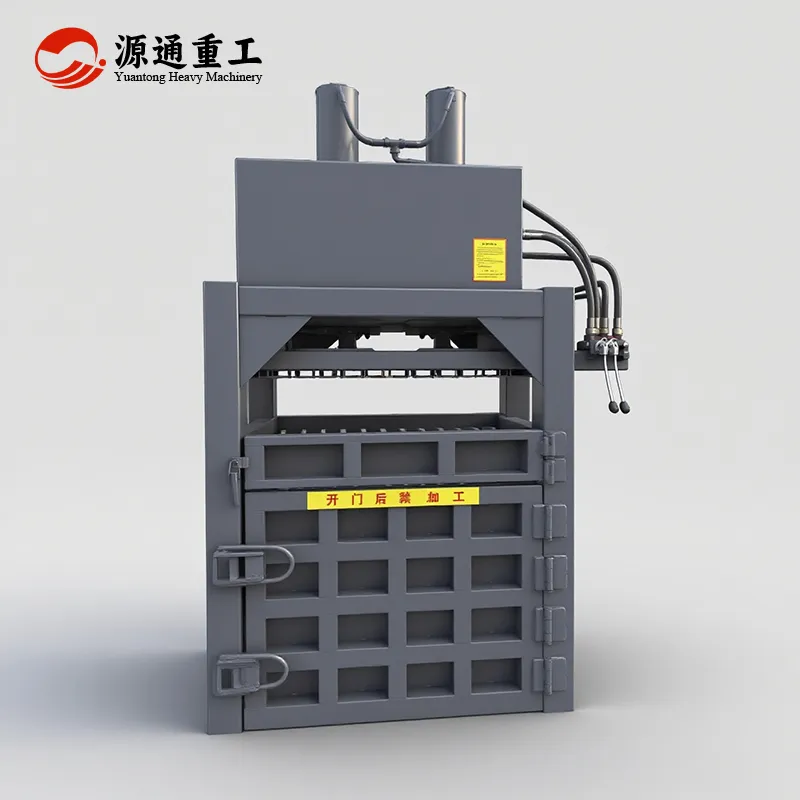
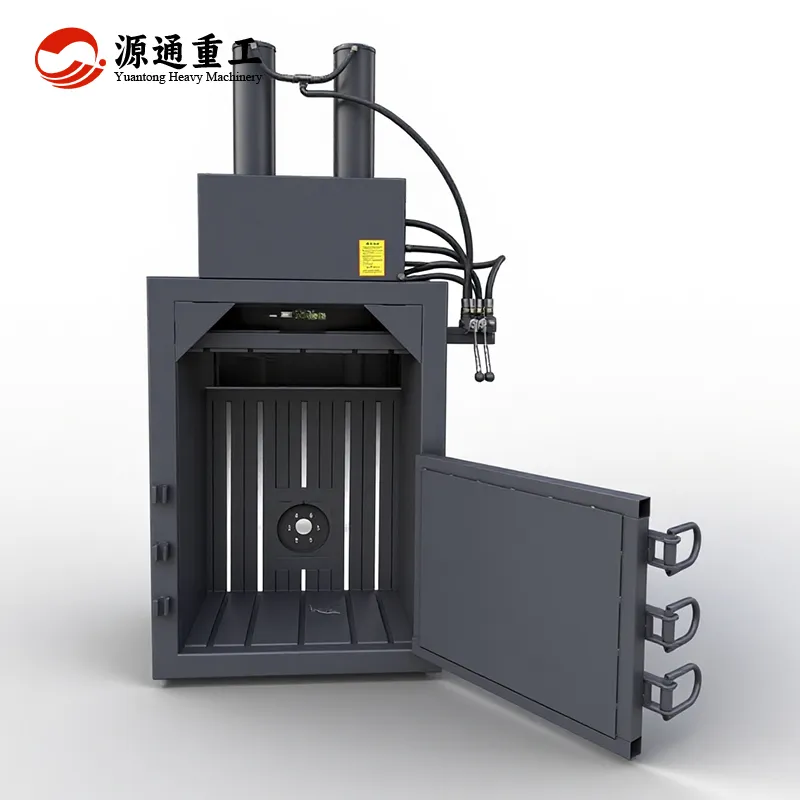
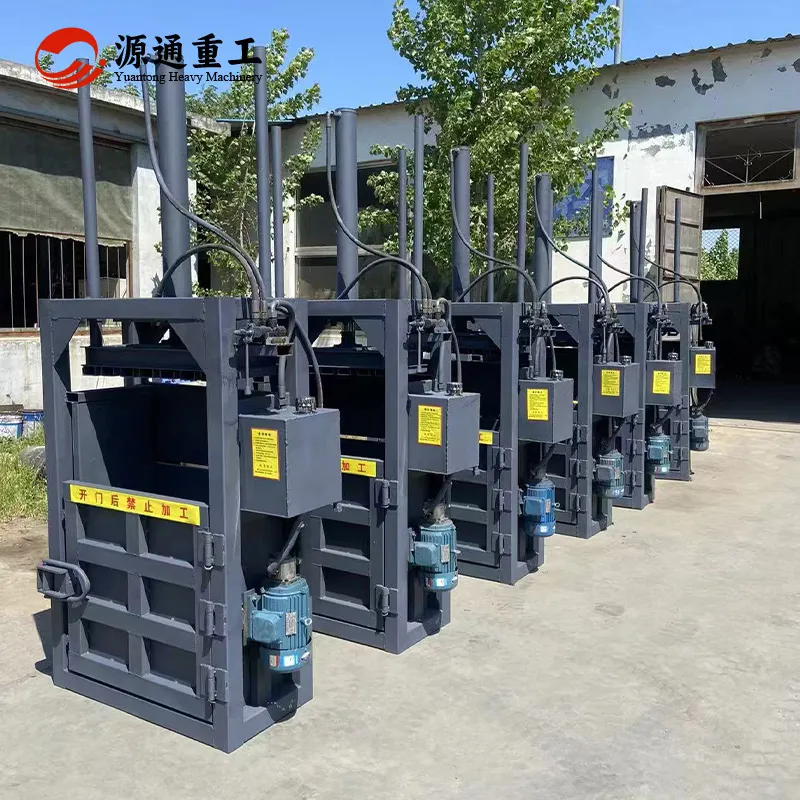
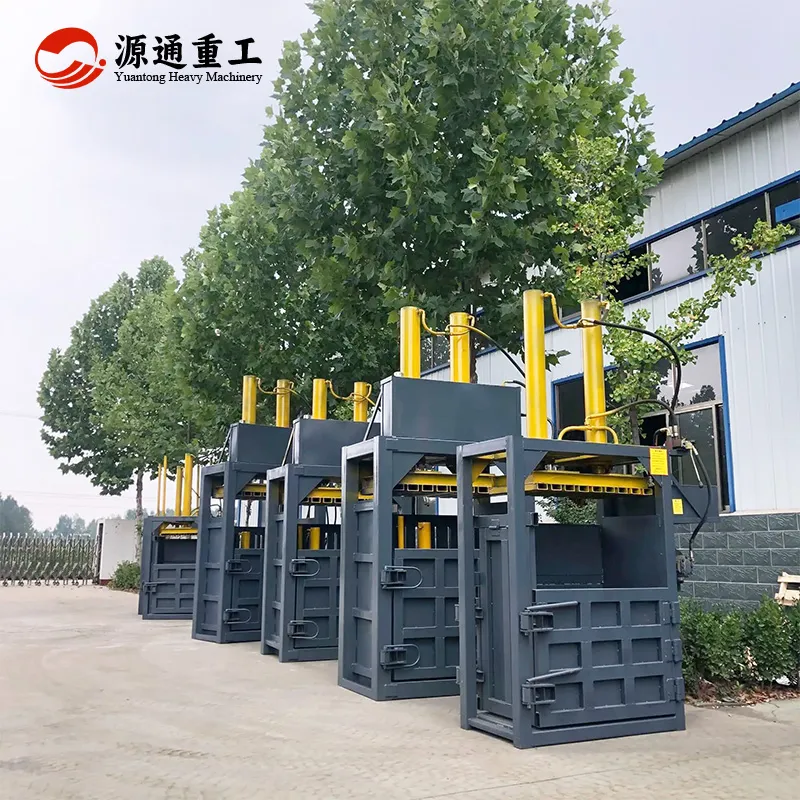
Vertical Baler
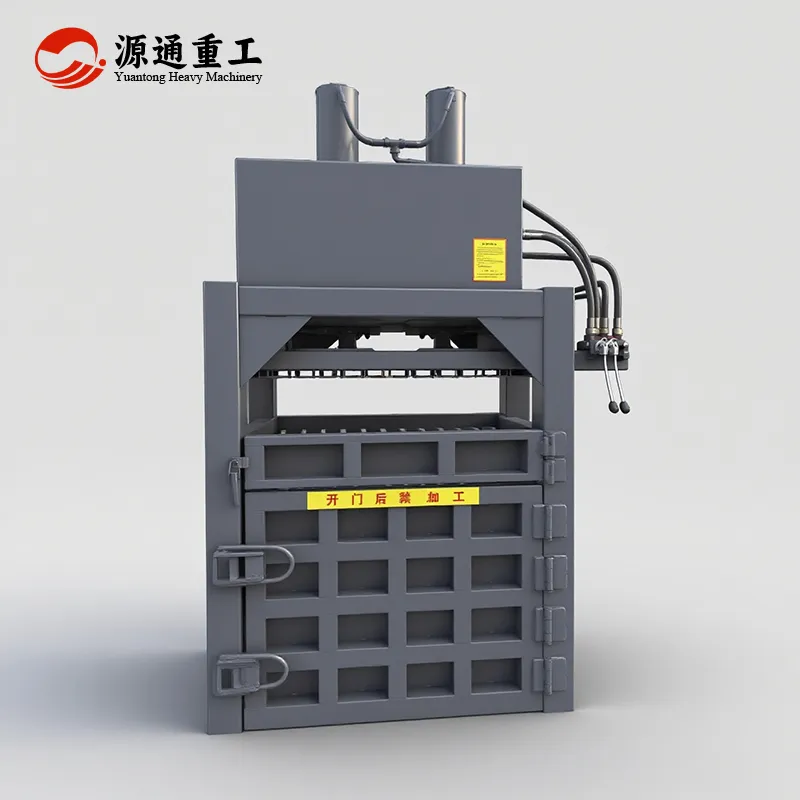
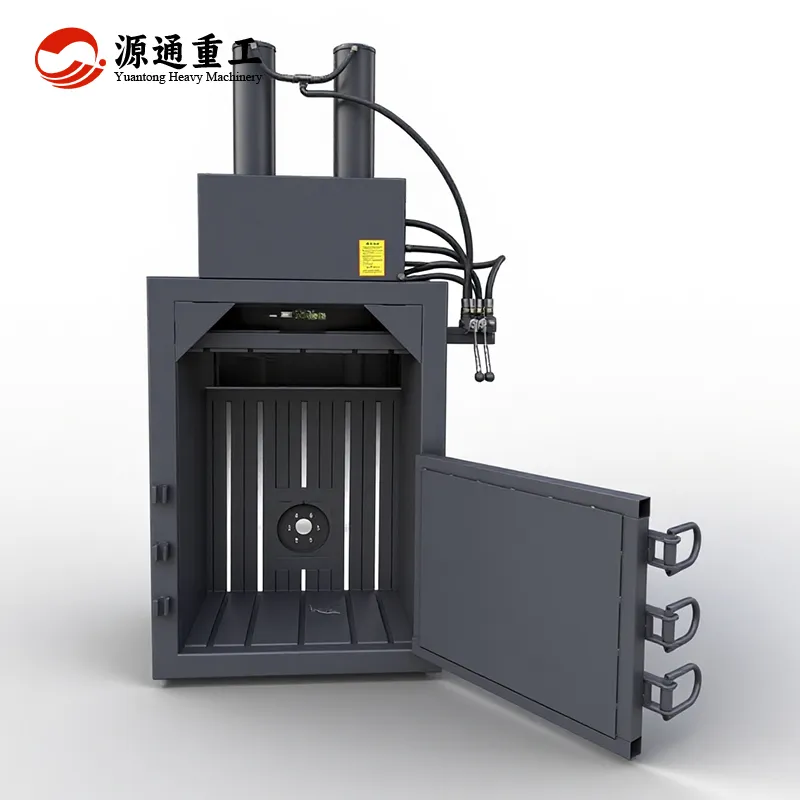
Vertical baler for cardboard, film, fiber, paper, Aluminum can, Straw, vertical baling press, Manual feed, hydraulic holding pressure, mechanical latc...
Y82 Series:
30 | 40 | 60 | 80 | 100 | 120
Motor:
4.5-22kw
Pressure:
30-120T
Bale size:
1200*800*900mm
Product Introduction
Offcuts pile waist-high at the scrap corner of most carton plants, and a truck leaves carrying far less than its rated tonnage — freight is charged by the truck, so half the cost goes into air gaps. A vertical baler loads one batch by hand, presses it, ties it and ejects a bale. That batch rhythm is its limit: a few bales a day up to a dozen or so, not continuous high-volume output.
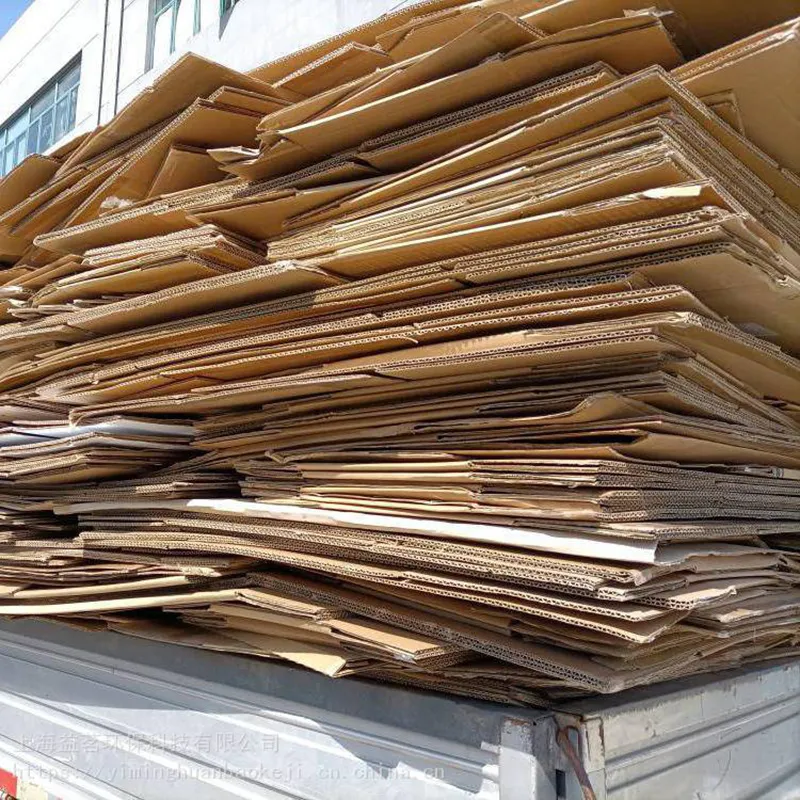
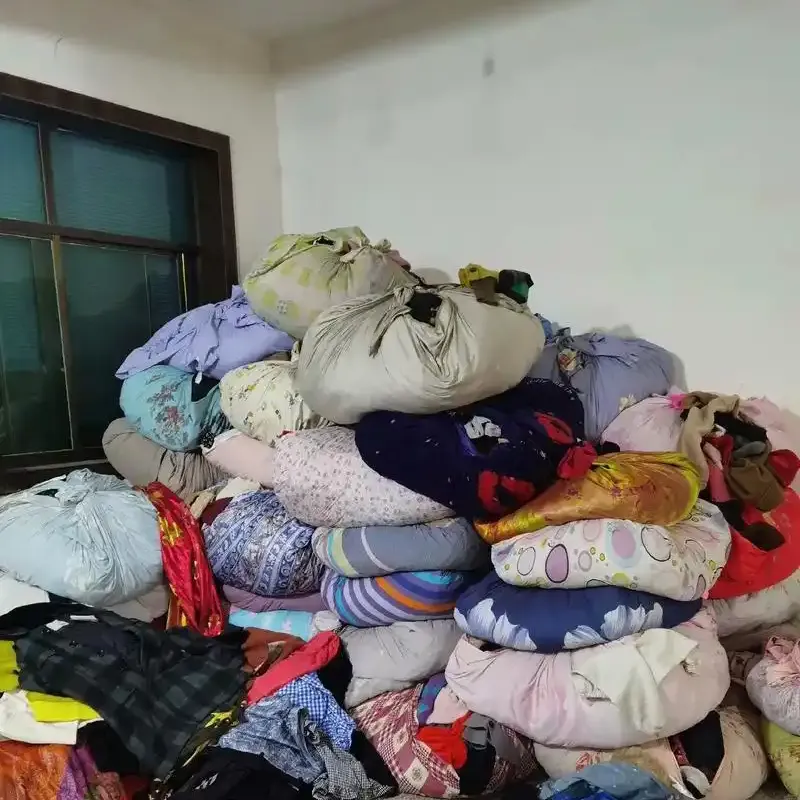
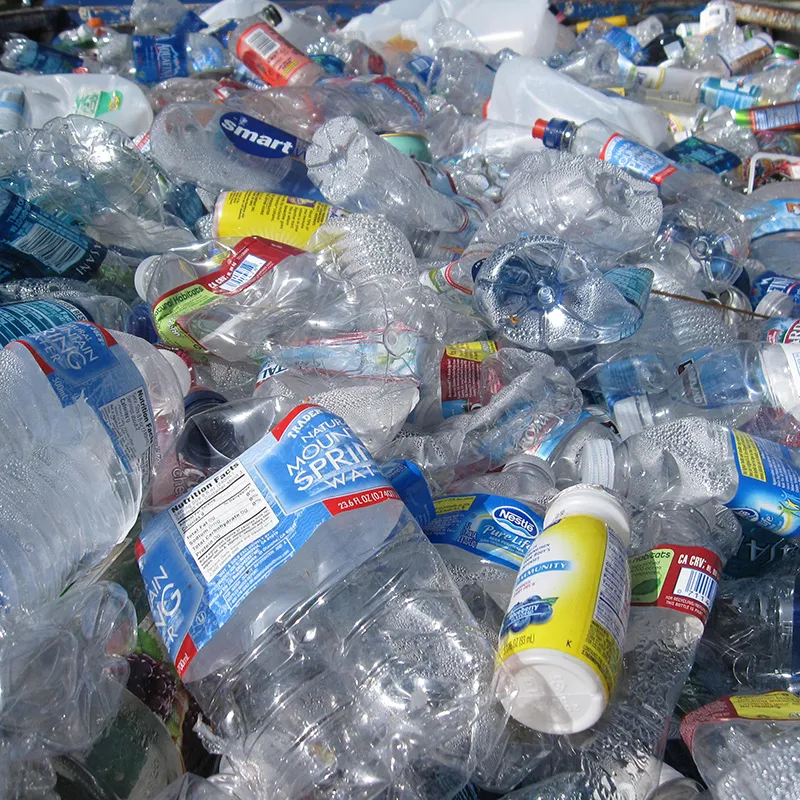
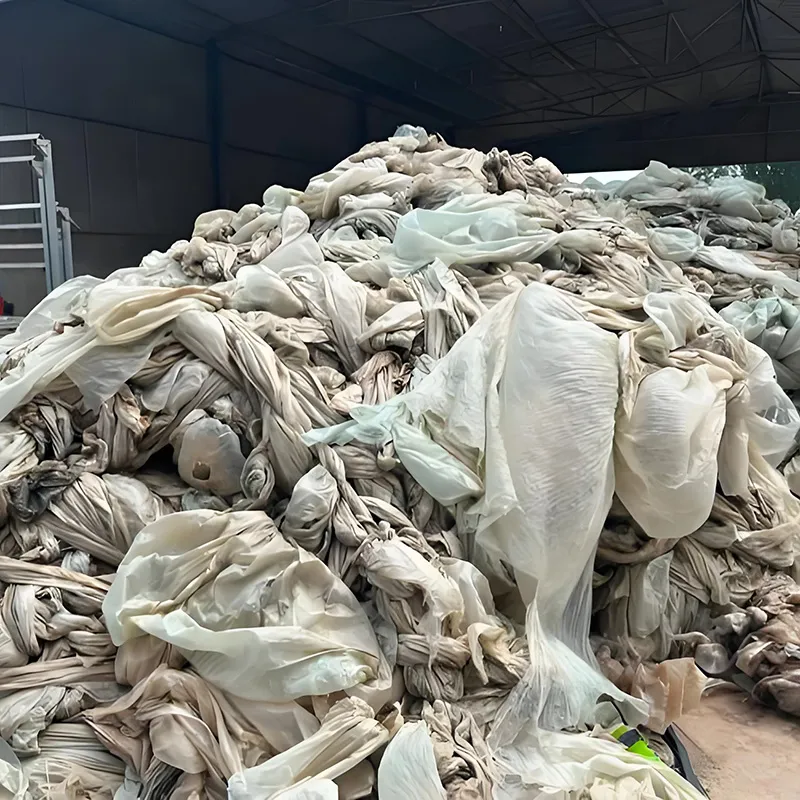
A vertical baler handles exactly this: one batch is loaded by hand, the platen presses it into shape, wire is threaded and tied, the door opens and the bale comes out. That batch rhythm is also its limit — it suits sites producing a few bales a day up to a dozen or so, not continuous high-volume output.
Against a horizontal baler the real difference is not size but foundation. No pit, no extended base — a level hardened slab is enough. Tenants, old buildings and upper floors usually choose vertical for this reason alone.
Do not start with tonnage. Start with three numbers: bales per day, the largest piece you will feed, and the target bale weight.
Structure
Chamber and frame
Welded heavy plate, not cast — a casting cracks at stress concentrations under repeated compression reaction. The base plate takes the worst wear: sand and grit work like sandpaper and cut grooves, and the bale starts sticking on ejection. That is why the base and lower walls carry replaceable liners — replace the liner, not the parent plate. When ejection labours and the bale bottom shows a groove, look at the liners.
Platen and guides
The platen must travel without skew, or the bale loses its four vertical edges. When identical bales start leaning by the third layer in the stack, the guides are worn — and that diagnosis needs no dismantling. Run the platen down empty and listen: a dull sound is too tight, a sharp sound means the clearance has opened up. Re-tighten after 4 hours.
Main cylinder
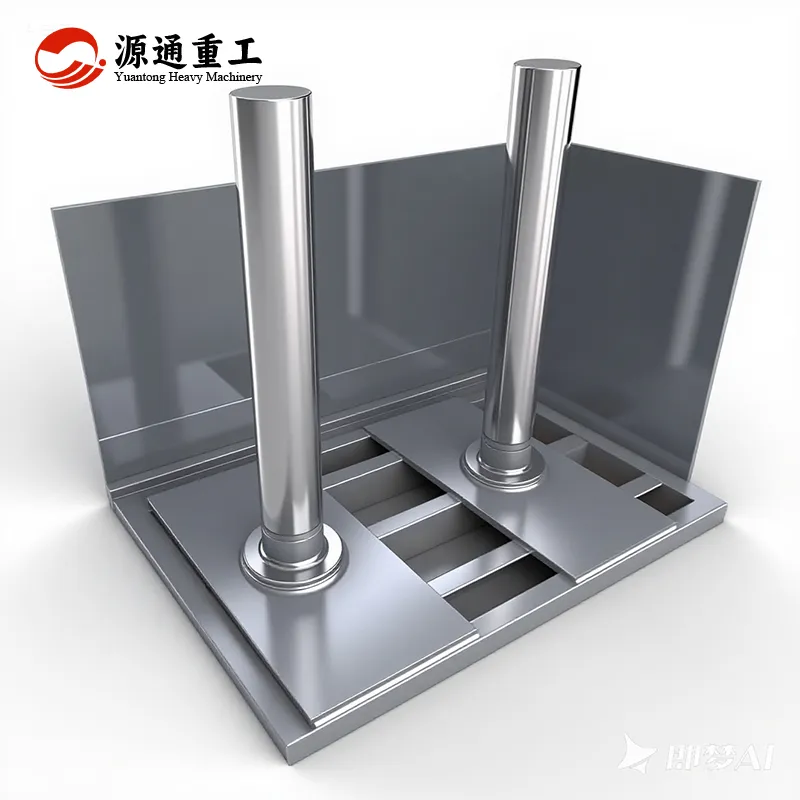
Honed barrel, hard-chrome rod. What damages a cylinder is not pressure but dust: grit enters the guide bushing, scratches the rod, cuts the seal, and the leak starts. In dusty plants a rod boot is not optional.
Hydraulic power unit
Keep pressure and holding time as separate settings. A loose film bale is usually blamed on low pressure; the gauge is already at setpoint, and raising it only shocks the system. Holding time is the real cause. Measure the bale 24 hours after ejection — growth beyond 20 mm(Cardboard) means the hold is too short.
Door and locking
Three parts: a mechanical latch carries the compression reaction, a hydraulic lock seats the door, an electrical interlock stops the platen. Keep the interlock and drop the latch, and a sensor can read "closed" with the latch short — the platen descends, the bale forces the door open, and the operator is standing at that door.
Tying
Hard material such as cardboard cuts wire at the corners, so corner protectors are needed. Soft material such as film and fiber springs back, wire will not hold it, and PP strap deforms with the rebound.
Controls
Two-hand control keeps both of the operator's hands on the buttons and out of the chamber.
How It Works
Six steps, and what each looks like when it fails:
Loading. Overloading does not show as "cannot press" — it shows as slower descent, rising oil temperature and an over-height bale.
Door and lock. If the platen moves with the door unseated, the interlock is bypassed; stop and check the circuit.
Descent. Pressure at setpoint but no movement means material jammed at the chamber wall or restricted return flow.
Holding. Too short gives a loose bale that wire will not hold. A dropping gauge means valve leakage — repair the valve, do not add time.
Tying. Tie while the platen still holds pressure. Tie after it has returned and the bale has sprung back, and the bale comes apart on ejection.
Ejection. A sticking bale is usually a grooved base plate or insufficient door opening.
Key Features
Right choice when
Output up to about a dozen bales a day, with manual loading;
No pit available, or no wish to build a foundation;
Compressible light stock: cardboard, film, fiber, bottles.
Wrong choice when
Several dozen bales a day or more. The limit is manual loading and tying, not the machine — move to a horizontal or automatic baler.
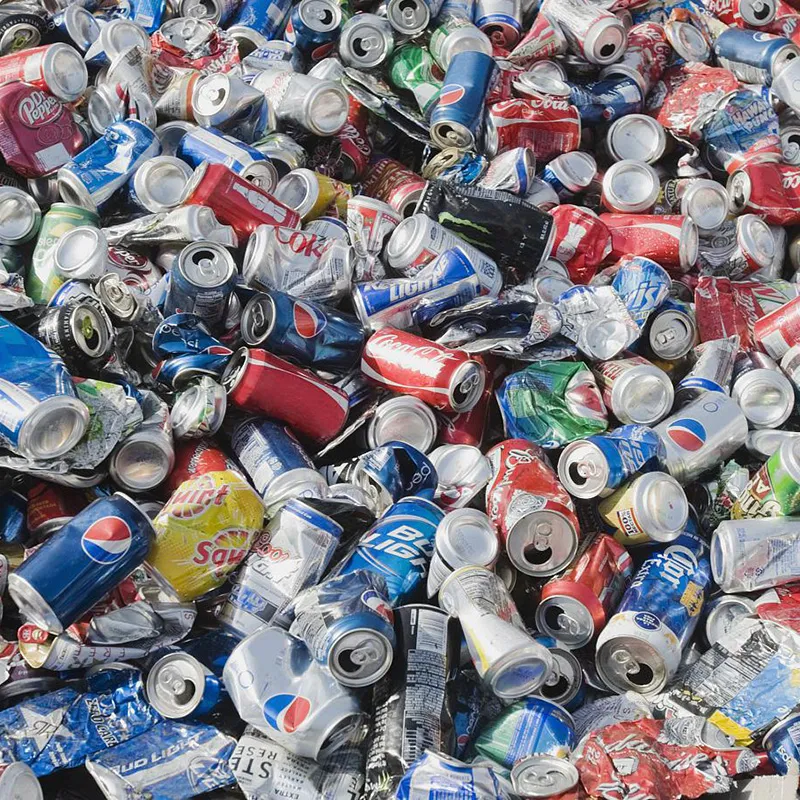
Metal chips or beverage cans. These need a dedicated metal baler; pressing metal here damages the chamber.
Oversized items. Furniture and pallets must be shredded first.
Very light foam. It springs back and will not form a bale.
On arrival, check three things
Platen down twice empty, listening at the guides;
Door opened and closed once each, confirming the platen will not move while unlocked;
Pressure held empty for 5 minutes, watching whether the gauge drops.
Applications
Cardboard and carton offcuts — the easiest material to bale. Watch moisture: a wet bale is heavier and softer, and deforms in the stack.
Plastic film (LDPE, stretch film) — the most springy. Longer hold, PP strap. Printed film slips between layers and forms a poorer bale than plain film.
PET bottles and HDPE containers — flatten or shred first. Whole bottles trap air and give a low-density bale that breaks apart in transit.
Textiles and fiber — bulky and springy, so PP strap suits better than wire. Fit a rod boot where dust is heavy.
Supermarkets and warehouses — mixed cardboard and film. Count bales rather than quoting weight, because mixed material varies.
Technical Specifications
| Model | Motor | Pressure | Cylinder Diameter | Stroke | Bale Size | Bale Weight | ||
| 30T dual-cylinder | 5.5/11kw | 40 | 115*2 | 900 | 1000*600*800mm | 150-200kg | ||
| 40T dual-cylinder | 5.5/11kw | 40 | 140*2 | 1000 | 1000*600*800mm | 200-300kg | ||
| 60T dual-cylinder | 11/15kw | 60 | 160*2 | 1100 | 1200*800*900mm | 300-350kg | ||
| 80T dual-cylinder | 15/18.5kw | 80 | 180*2 | 1100 | 1200*800*900mm | 350-500kg | ||
| 100T dual-cylinder | 15/18.5kw | 100 | 180*2 | 1200 | 1200*800*900mm | 450-500kg | ||
| 120T dual-cylinder | 15/22kw | 120 | 200*2 | 1200 | 1200*800*900mm | 500-650kg | ||
| For more information, please contact us: 8615736727558 hnytzgjx@163.com | ||||||||
FAQ Section
Frequently Asked Questions!
Find answers to frequently asked questions about our products, services, and policies—all your queries will be addressed here.

What metals can a scrap metal baler compress?
Ferrous and non-ferrous scrap that can be cold-compressed: light steel sheet, structural offcuts, steel turnings, aluminium and copper offcuts, appliance shells, drums and car body panels.
Do I need a baler or a briquetting press?
It depends on your material, not volume. Sheet, plate, profiles and appliance shells need a baler; turnings, chips and swarf need a briquetting press, as they will not hold in a bale.
What is the difference between a horizontal and a vertical baler?
Horizontal: horizontal chamber, conveyor or manual feed, easier to automate, usual for higher volumes and heavier material. Vertical: less floor space, cheaper, harder to automate.