
Crusher
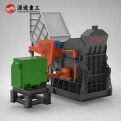
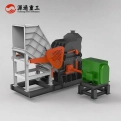
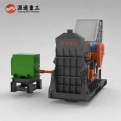
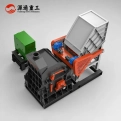
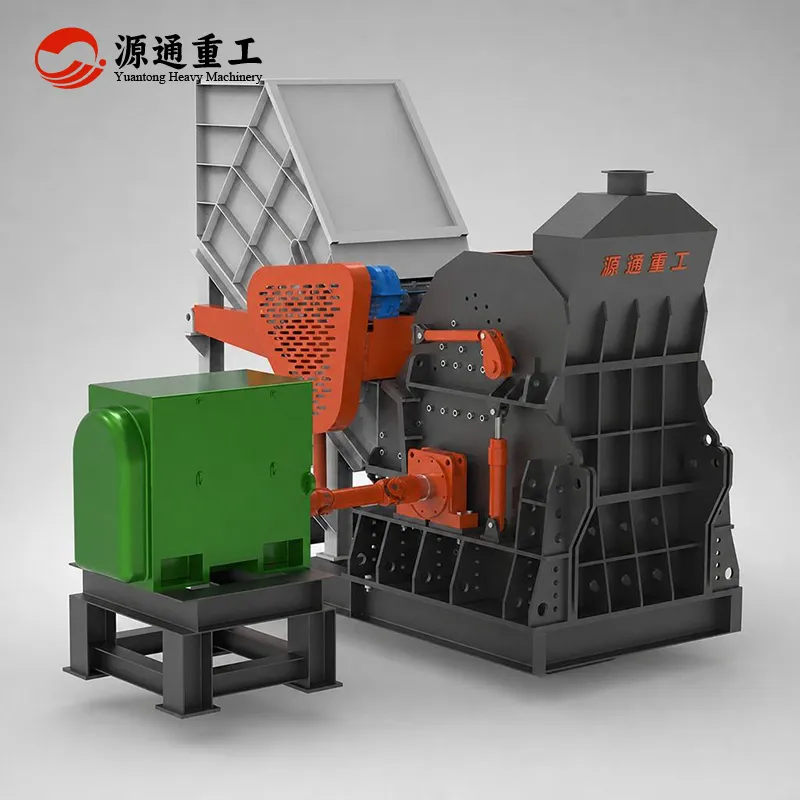
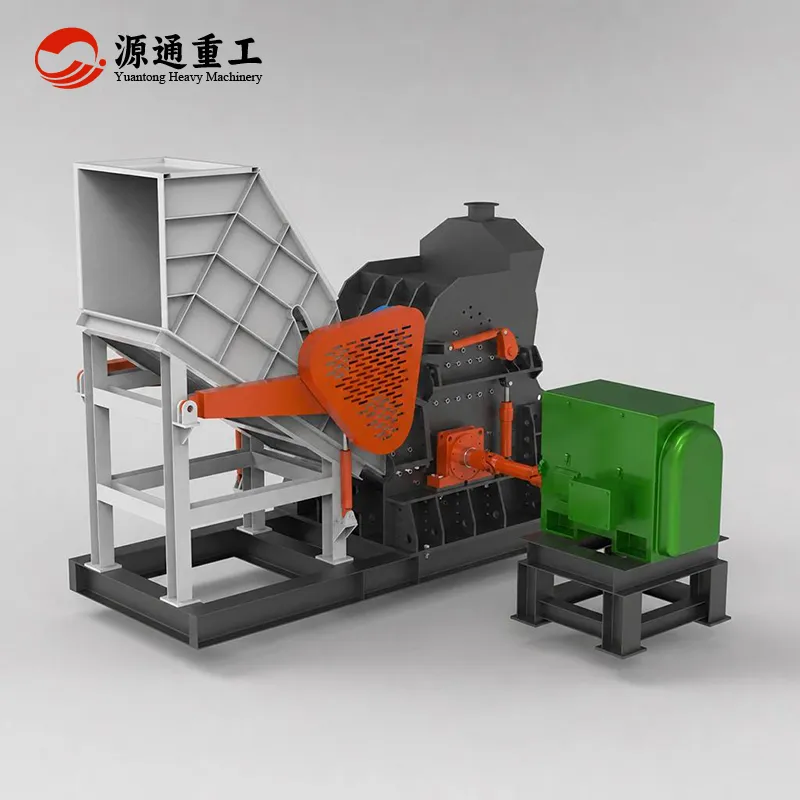
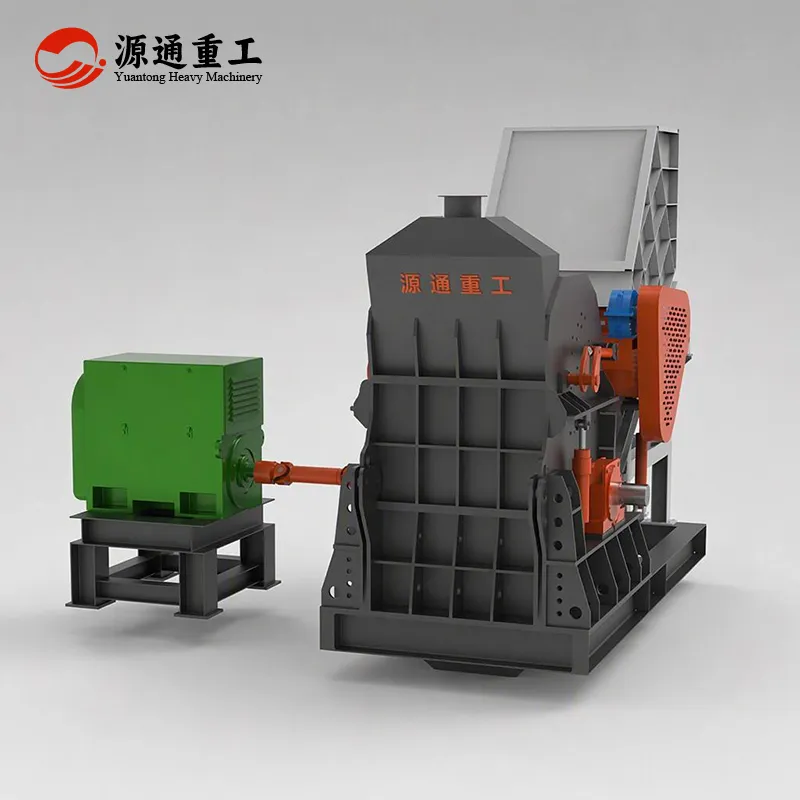
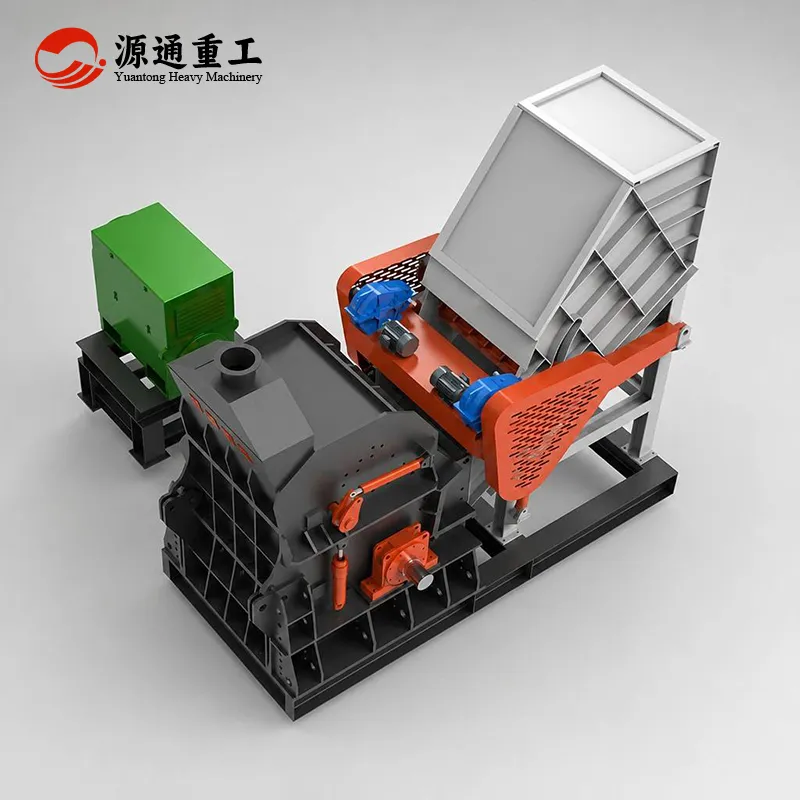
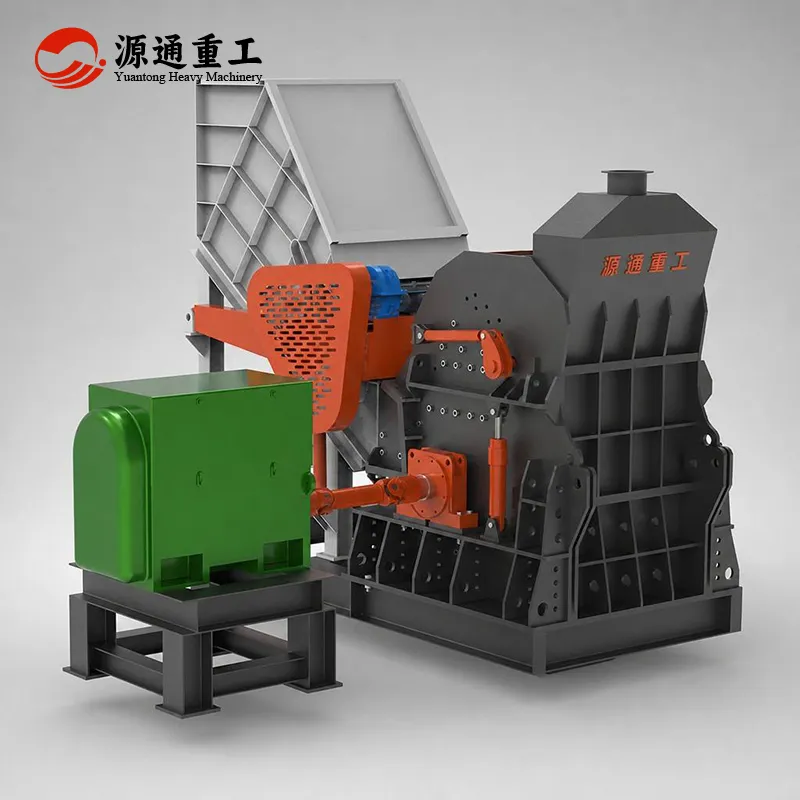
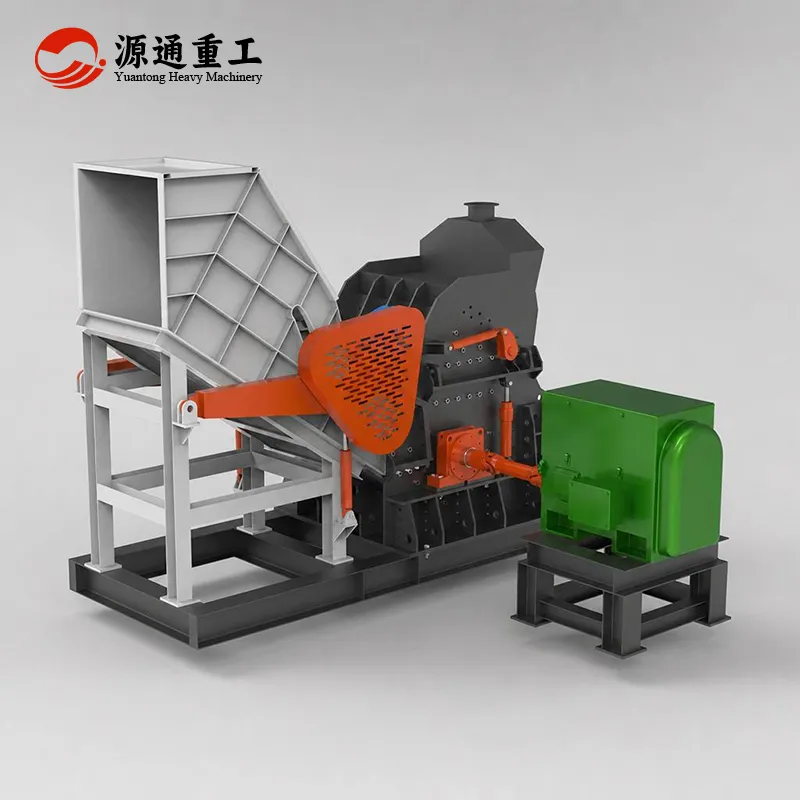
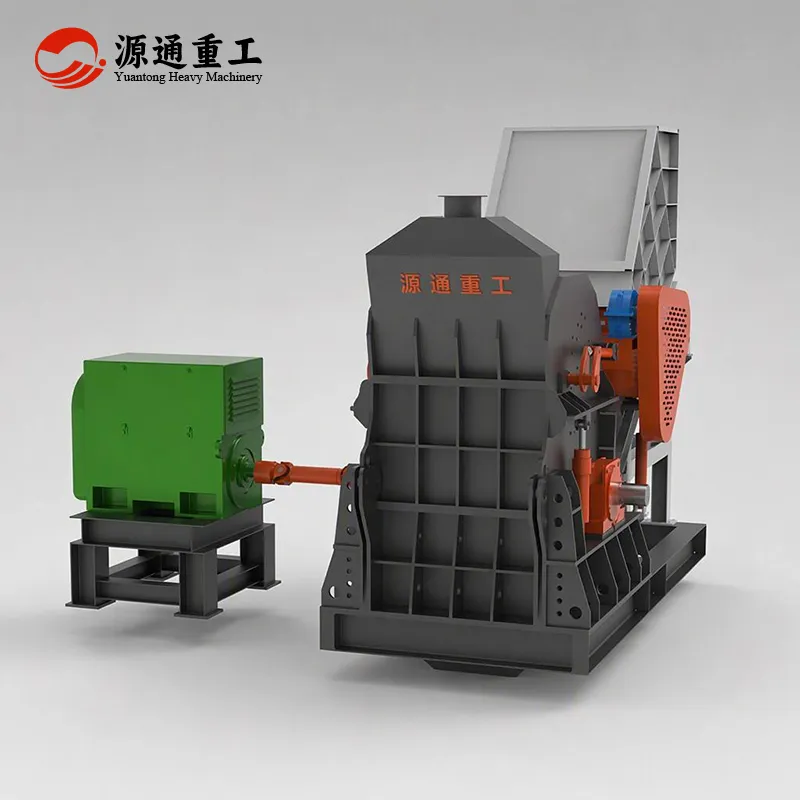
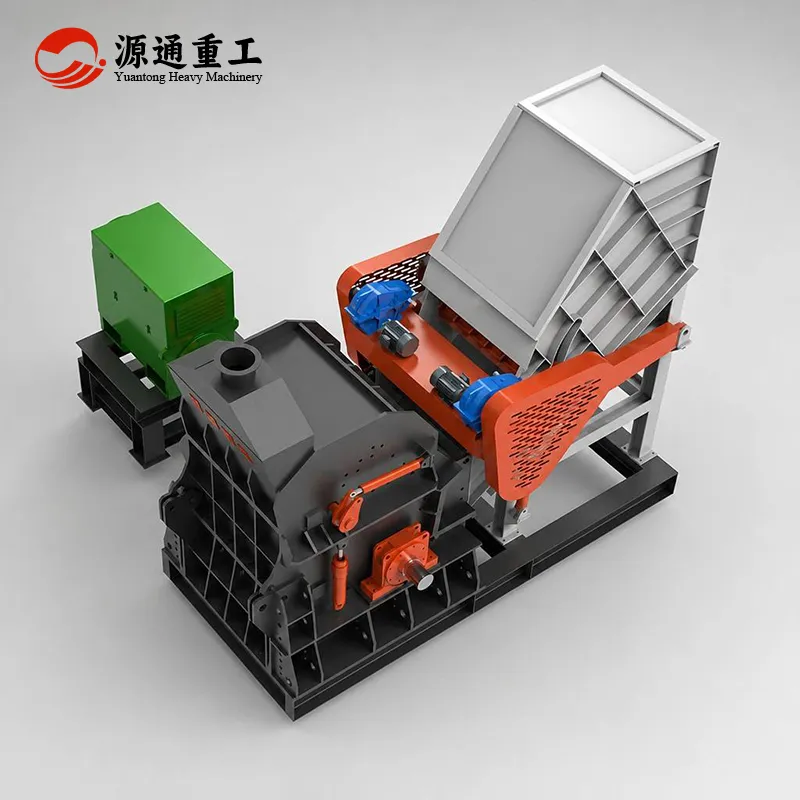
Scrap Metal Crusher
Scrap Metal Crusher Machine | Pendulum Hammer Crusher for Aluminum, Iron and Light Steel Scrap | Output 50-110mm, 1-30 t/h
Model:
55 | 75 | 132 | 280 | 315 | 450 | 2000HP | 3000HP
Power:
37kw-450kw
Capacity:
1-30TPH
Applicable material:
End-of-life vehicle | Scrap steel | Scrap iron | Aluminum profiles / aluminum cans | WEEE Recycling
Product Description
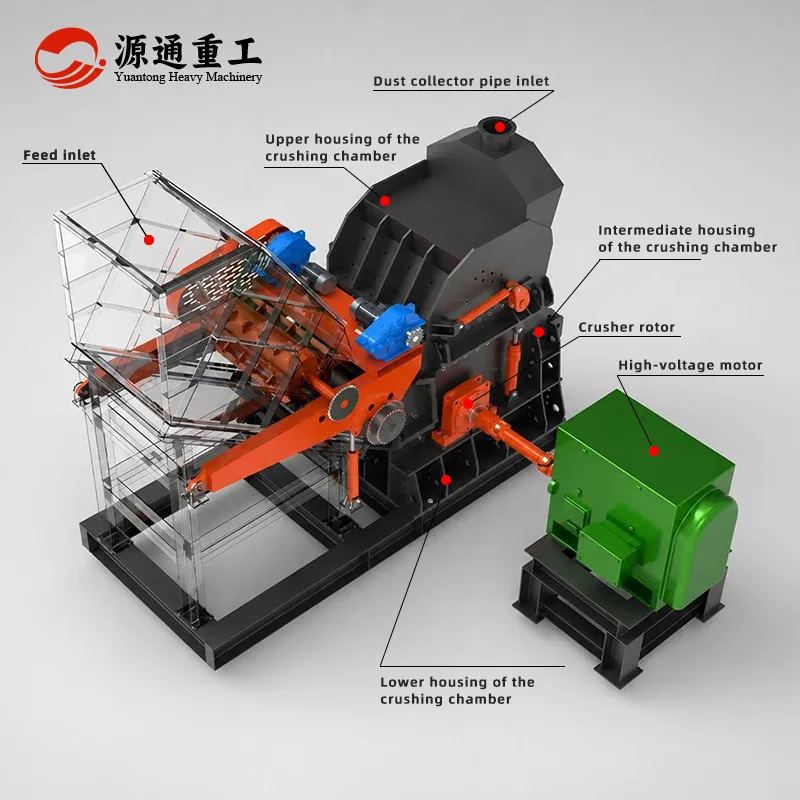
Scrap metal crusher breaks light and medium scrap metal into uniform fragments by high-speed impact, using a pendulum hammer rotor. Aluminum cans and profiles, copper–aluminum mixed scrap, light sheet steel, stamping skeletons, metal chips — loose material up to roughly 300–500 mm goes in, and comes out at a controlled size, typically 20–200 mm, set by the discharge grate.
This scrap metal crusher suits processors whose scrap is already loose or pre-sized: scrap dealers, metal recyclers, aluminum plants and manufacturers with in-house metal offcuts. For hammer-type processing, the scrap metal crusher runs faster than a low-speed shredder, delivers more throughput per kilowatt and produces a more uniform product — at the cost of more dust and noise and a stricter feed-size limit.


Working flow:
Scrap material is loaded into the feed hopper via a belt conveyor or mechanical grab.
The rotating hammers strike the material and throw it against the fixed breaker plates.
Material is crushed and sheared repeatedly between the hammers, the plates and the grate until it is small enough to fall through.
Fragments pass the grate (typically 20–200 mm) and drop onto a conveyor; oversized pieces stay in the chamber until crushed down.
Why swinging hammers instead of fixed ones: when the rotor meets something uncrushable — a weld seam, a bolt, a stray fitting — a free-swinging hammer gives way and absorbs the shock instead of transmitting it into the rotor and bearings. That is the main reason a pendulum-type crusher survives metal duty where a fixed-hammer mill fails quickly.
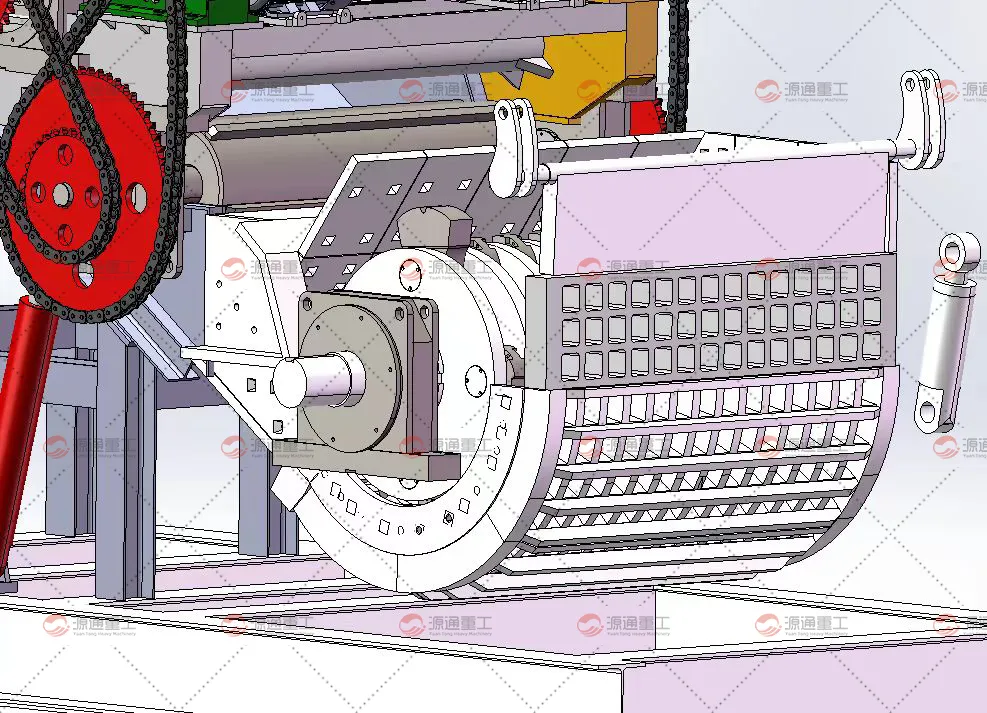
Structure and Advantages
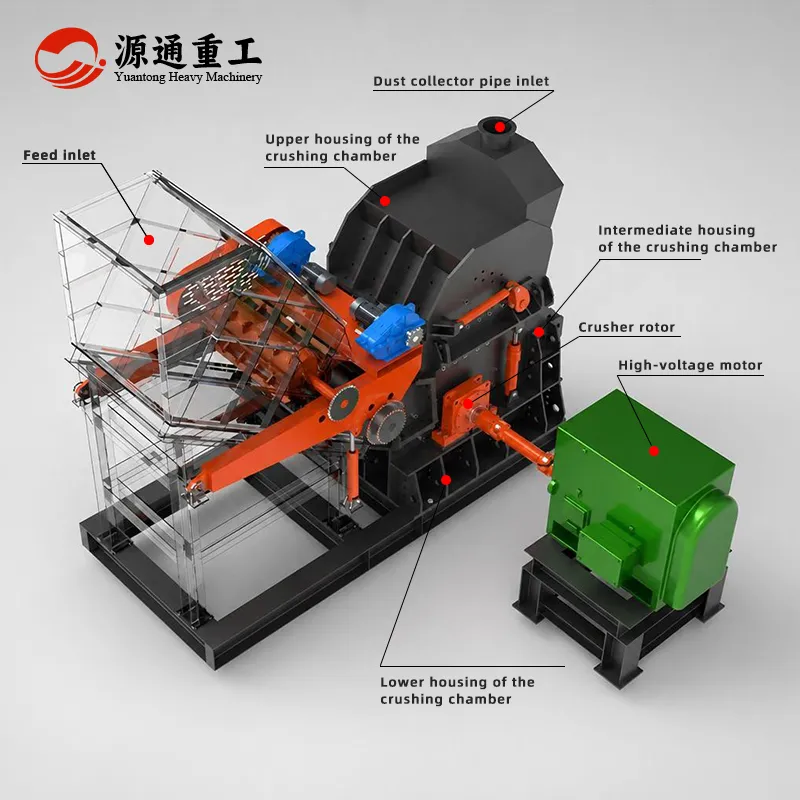
Rotor and Hammer Assembly
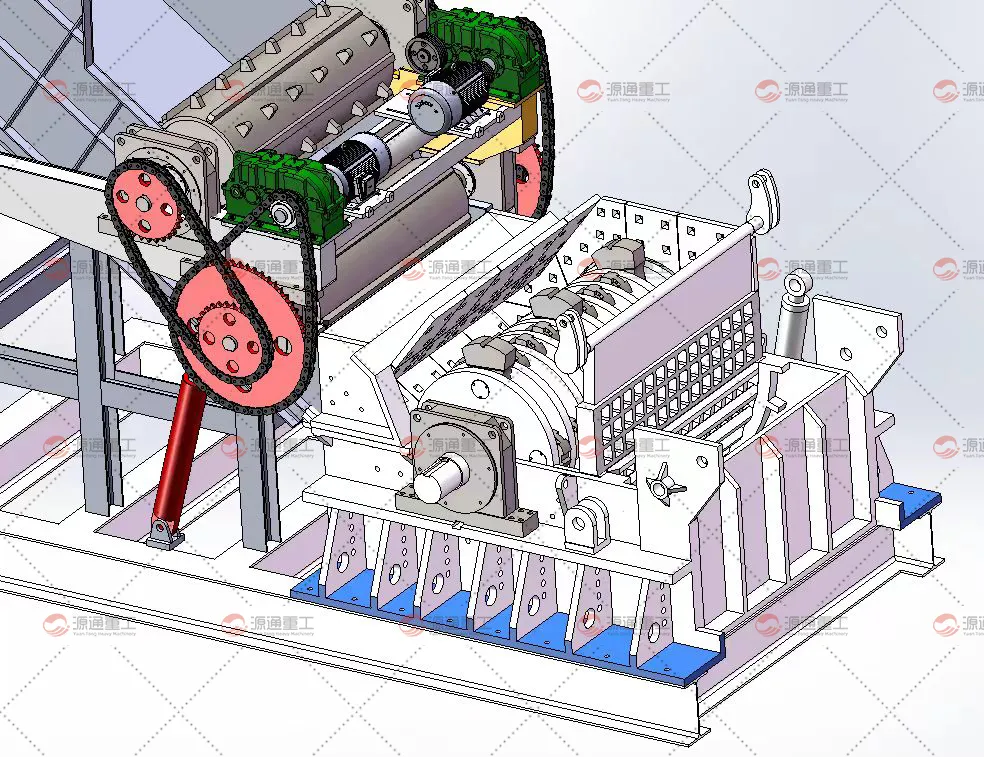
The rotor carries three to four rows of hammers, with several hammers per row. Because the rotor runs at over 1,000 rpm, it is dynamically balanced at the factory (per ISO 1940 G6.3) — an unbalanced rotor destroys bearings within weeks at this speed. Hammers are individually replaceable: a worn hammer is turned or swapped without pulling the rotor.
Breaker Plates
The chamber interior is lined with high-manganese steel plates that serve as the striking surface. Material is crushed between hammer and plate, so plate wear is a real operating cost — plates are bolted in and replaceable without removing the rotor.
Discharge Grate
Output size is set by the grate bar spacing. The grate is the third wear part in the machine and the one that controls your product: narrower spacing means finer fragments and lower throughput. Many buyers keep two grates — one fine, one coarse — and change them with the order book.
Technical Specifications
| Model | Power (kw) |
Inlet width (mm) |
Output size (mm) |
Output (t/h) |
Matching Transformer | |||
| YTP-55 | 55 | 1000 | 20-60 | ≈1.2-1.5 | 100KVA | |||
| YTP-75 | 75 | 1000 | 20-60 | ≈1.5-2 | 125KVA | |||
| YTP-110 | 110 | 1300 | 30-60 | ≈2-3 | 250KVA | |||
| YTP-132 | 132 | 1300 | 30-80 | ≈3-4 | 250KVA | |||
| YTP-200 | 200 | 1600 | 30-80 | ≈3-5 | 250KVA | |||
| YTP-280 | 280 | 1600 | 40-80 | ≈4-6 | 315KVA | |||
| YTP-315 | 315 | 1800 | 40-80 | ≈6-8 | 400KVA | |||
| YTP-450 | 450 | 2000 | 50-100 | ≈8-10 | 630KVA | |||
| YTP-2000HP | 1600 | 2500 | 50-150 | ≈30-40 | 10KV High voltage | |||
| YTP-3000HP | 710 | 2000 | 50-200 | ≈40-50 | 10KV High voltage | |||
| For more information, please contact us: 8615736727558 hnytzgjx@163.com | ||||||||
FAQ Section
Frequently Asked Questions!
Find answers to frequently asked questions about our products, services, and policies—all your queries will be addressed here.

Are you a manufacturer or a trading company?
We are a professional manufacturer specializing in recycling and waste processing equipment.
Can you customize the machine according to our requirements?
Yes, we provide customized solutions based on your materials, capacity, and site conditions.
What materials can your shredders process?
Our shredders can process metal scrap, plastics, tires, e-waste, wood, and various solid wastes.
Do you provide installation and technical support?
Yes, we offer complete technical support, installation guidance, and after-sales service.
How can I get a quotation?
Simply send us your material type, capacity requirement, and project details for a quick quotation.