
Industry Insights
Market trends, recycling technology and machine selection guides for scrap yard operators, written by the engineers who build the equipment. Good machines, built by Yuantong.
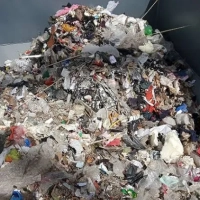
Global Commercial and Industrial Waste Recycling Market:Trends Opportunities and Technological Infrastructure
The landscape of waste management is undergoing a fundamental transformation. For decades, Commercial and Industrial (C&I) waste—the byproduct of factories, offices, warehouses, and construction sites—was viewed as a liability to be buried. Today, it is r
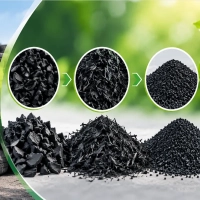
How To Produce High-quality Steel-free Tyre Chips Rubber & Granules
Scrap tyre management has changed from a major environmental disposal challenge into a growing and advanced recycling industry. Discarded tyres contain valuable resources, including quality rubber and high-grade steel. Few of the most commercially useful

How Recycled Steel Wire Is Powering The Steel Industry
The global steel industry is witnessing a high-value transformation, creating new opportunities to recover valuable materials from end-of-life tyres. Every year, billions of tyres reach the end of their roadworthy lives, with many ending up in landfills a
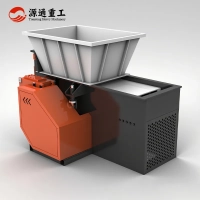
What Materials Can a Single Shaft Shredder Shred
A single shaft shredder can process plastics, wood, paper, cardboard, selected textiles, and certain light metal scraps when equipped for those applications. Some specialized models also handle industrial waste and refuse-derived fuel feedstock.
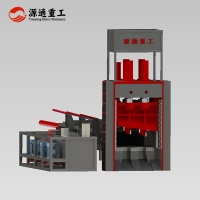
5 Factors to Consider When Buying a Gantry Shear Machine
Buying a gantry shear machine is a long-term investment in your scrap processing capacity.
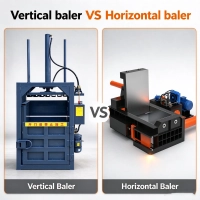
What Is the Difference Between a Horizontal and Vertical Metal Baler
The main difference between a horizontal and vertical metal baler is the direction of compression. A vertical baler presses material downward, while a horizontal baler compresses it sideways.
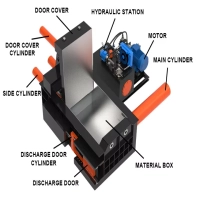
How Does a Scrap Metal Baler Work
A scrap metal baler works by using hydraulic force to compress loose metal into compact bales. Scrap enters a reinforced chamber, hydraulic rams reduce its volume, and the finished bale is discharged for handling, storage, or transport.
- 23/10/2026
- READ MORE: How Does a Scrap Metal Baler Work
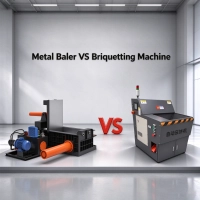
What Is the Difference Between a Metal Baler and a Briquetting Machine
The main difference is the material each machine processes and the compacted product it produces. A metal baler compresses bulky scrap, such as sheet offcuts and metal packaging, into larger bales.
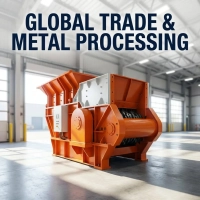
Global Trade Shifts New Opportunities for Metal Processing Equipment in a Changing Policy Landscape
The global scrap trade is no longer a "wild west" of moving mixed waste from developed to developing nations.