
Troubleshooting Guides
Step-by-step fixes for baler, shear, crusher and shredder faults - jamming, blade wear, hydraulic leaks and output drift, from our service engineers. Good machines, built by Yuantong.
Troubleshooting Overheating and Insufficient Shearing Force in Hydraulic Gantry Shearing Systems
In the high-intensity environment of a scrap metal yard, the Hydraulic Gantry Shear is the ultimate productivity engine. Whether you are running an 800-ton or a 1250-ton machine, its ability to process heavy structural steel and HMS (Heavy Melting Scrap) into mill-ready lengths is what keeps the revenue flowing.
However, two persistent technical "headaches" can cripple your operations: insufficient shearing force and system overheating.As an engineer who has spent years troubleshooting these heavy-duty systems on-site, I know that these issues are rarely "random." They are the results of specific hydraulic and mechanical imbalances.
Today, we will apply engineering logic to diagnose these two common productivity killers.
1. Problem: Insufficient Shearing Force (Low Pressure)
This is the scenario every operator dreads: the blade descends, meets a piece of scrap it should easily cut, and the machine simply stalls. The "bite" is gone.
Engineer’s Logic: Where is the Pressure Escaping?
Force in a hydraulic system is the product of Pressure x Cylinder Area. If the cylinder area hasn't changed, then your force drop is a direct result of a pressure leak or a failure to generate pressure.
The Main Relief Valve (Pilot-Operated): This is the first place I look. In a dusty scrap yard, a tiny particle of metal or carbon can lodge itself in the pilot orifice of the relief valve. This prevents the valve from closing fully, causing the high-pressure oil to bypass directly back to the tank.
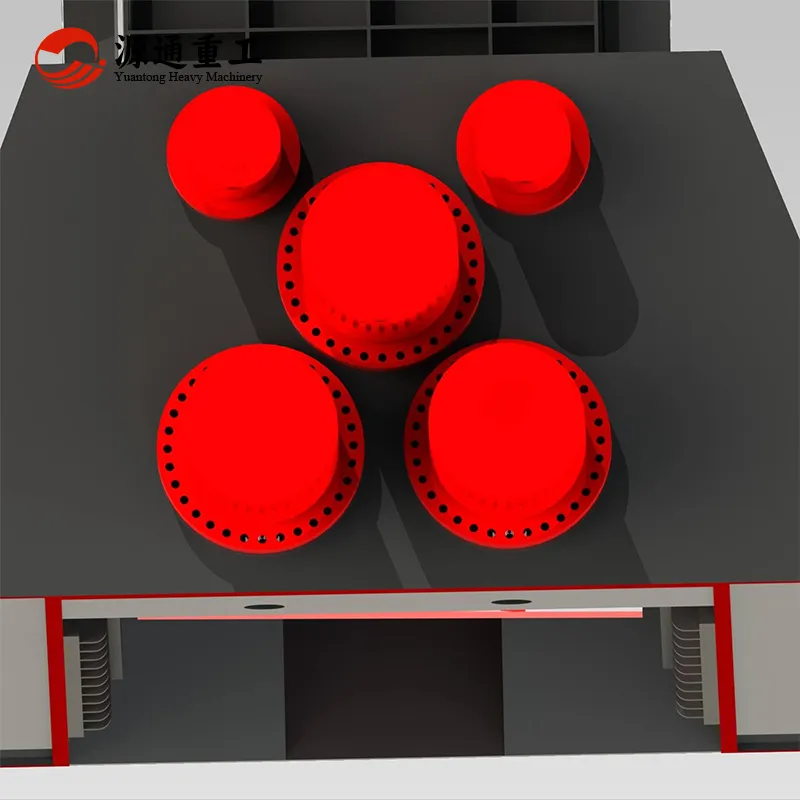
Internal Cylinder Bypass: If your piston seals (V-packing or specialized U-cups) are worn, the high-pressure oil will leak from the "cap end" to the "rod end" inside the cylinder.
Field Test: Bottom out the cylinder and hold the lever. If the return hose feels significantly hot to the touch, you have a massive internal bypass.
Pump Volumetric Efficiency: In older machines, the axial piston pumps lose their tight clearances. As the internal "slip" increases, the pump cannot maintain the 25-31.5 MPa required for heavy shearing.
2. Problem: System Overheating (Thermal Runaway)
Continuous Relief Operation: If an operator is trying to shear material that is consistently beyond the machine’s rated capacity, the system stays at the "relief pressure" for extended periods. This converts all the electric motor’s energy into pure heat.
Unloading Valve Failure: A well-designed gantry shear should "unload" the pump when the cylinder is not moving. If the unloading valve fails to shift, the pump is constantly working against high pressure even in "neutral," heating the oil rapidly.
Water-Cooled: Are the heat exchanger tubes scaled up with mineral deposits?
Air-Cooled:Are the radiator fins clogged with scrap dust and oil mist?
Engineer's Tip: Check the fan rotation. I’ve seen cases where fans were wired in reverse, blowing hot air into the cooler instead of drawing it through.

3. Maintenance Logic: Restoring Technical Integrity
To solve these issues permanently, you must move beyond "patchwork" repairs. We recommend the following engineering-led maintenance strategy:
Strict Oil Analysis:Contamination is responsible for 80% of valve and pump failures. Don't guess—send a sample to a lab every 1,000 hours.
Nitrogen Accumulator Check:If your accumulators are undercharged, they won't absorb the hydraulic shocks (water hammer) generated during the cut. These shocks cause micro-cracks in pipe joints and loosen fittings.
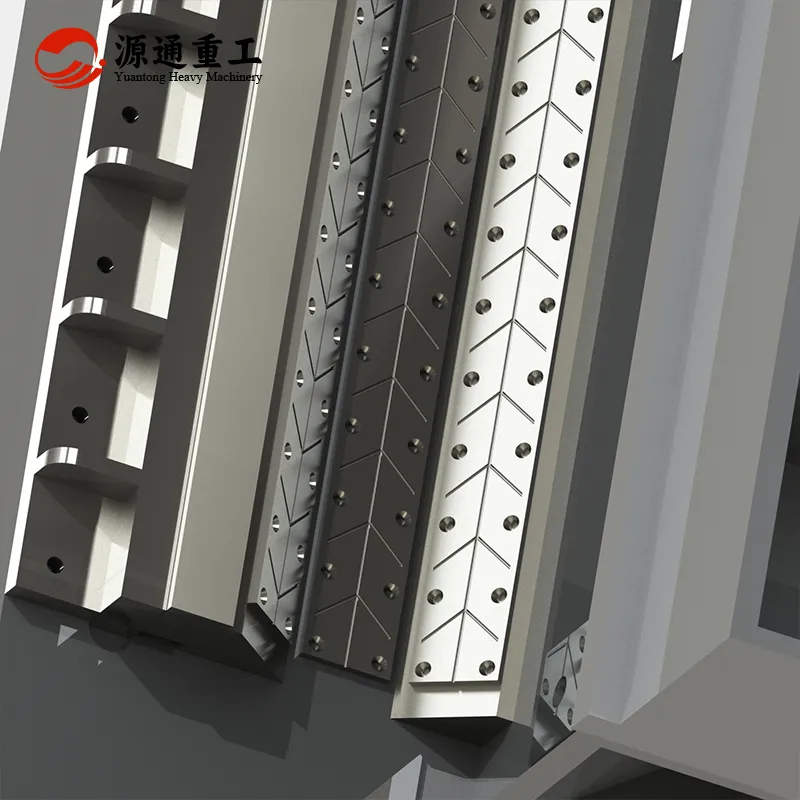
Blade and Liner Precision:If your NM500 wear liners are worn out, the blade carriage will tilt, increasing friction and "wedging" material. This mechanical resistance steals hydraulic force that should be used for shearing.
Professional Support for Your Recycling Operation
A gantry shear is a complex intersection of high-pressure hydraulics and heavy-duty structural engineering. If your machine is suffering from chronic overheating or power loss, don't wait for a catastrophic failure. Our engineering team can provide a remote diagnostic audit or an on-site system calibration to get your yard back to peak production.
Online message