
Troubleshooting
Can Twin Shaft Shredder Blades Be Sharpened?
Direct Answer
No. Twin shaft shredder blades cannot be resharpened and reused. They are one-piece hook blades, through-hardened to 58–62 HRC, and both the hook profile and the shear clearance between the two shafts are set at assembly. Grinding rounds off the tip and reduces blade dimensions, so the blades stop biting and the clearance goes out. Replace them in sets.


1. What is a twin shaft shredder blade?
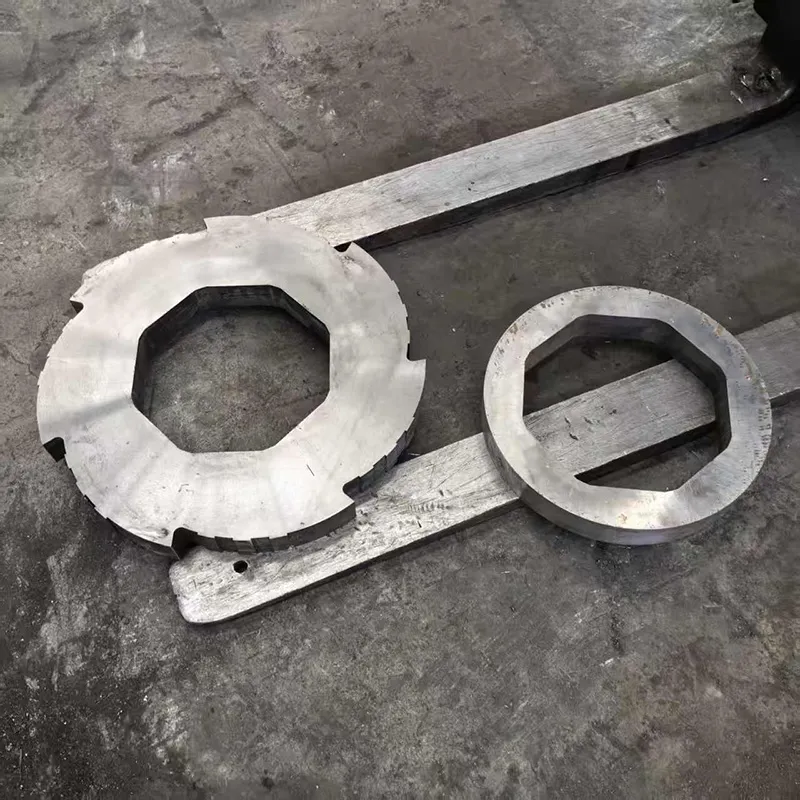
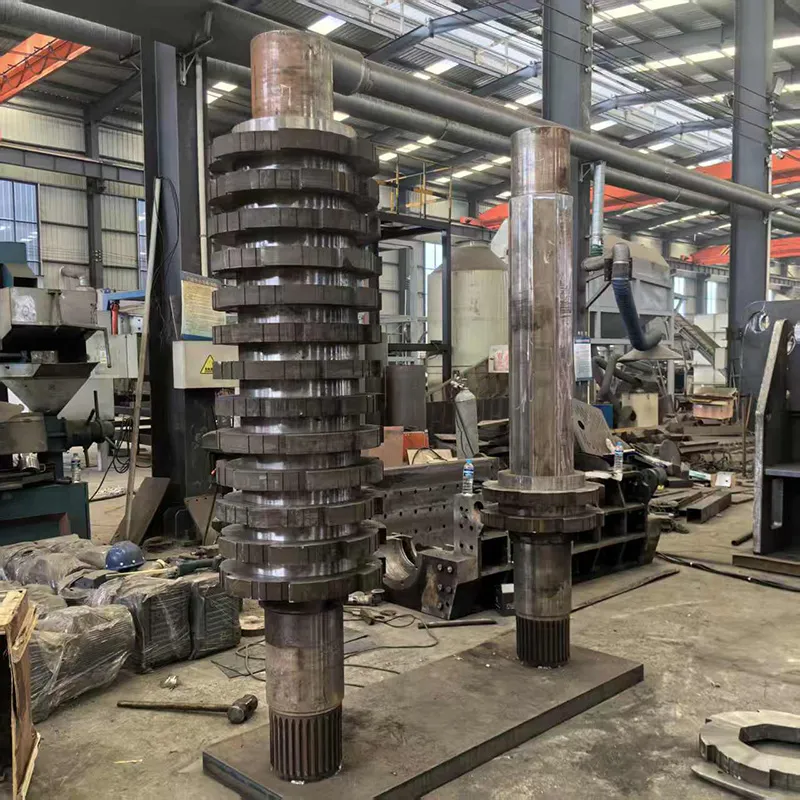
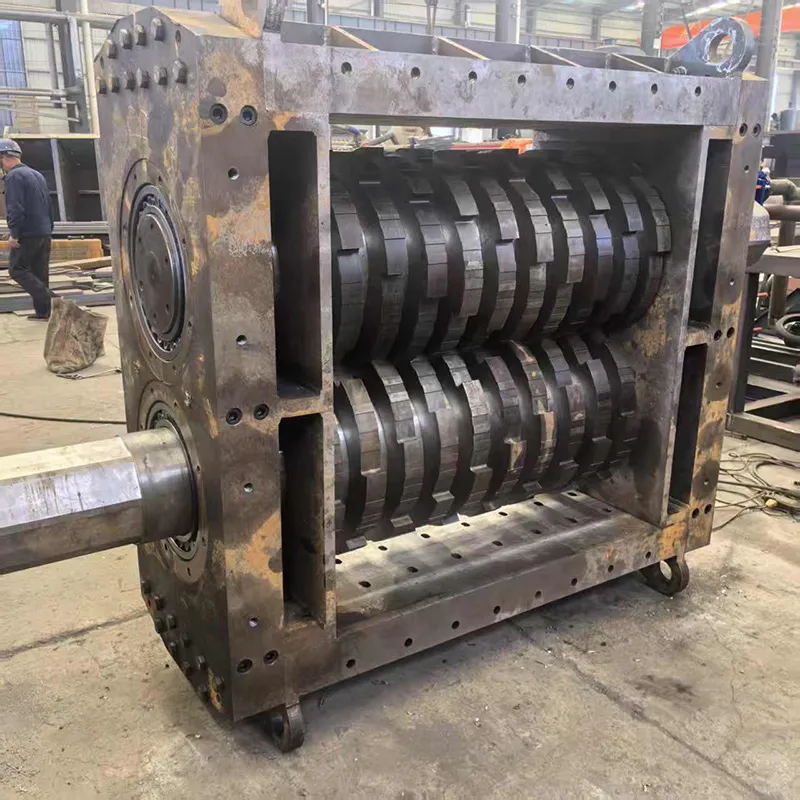
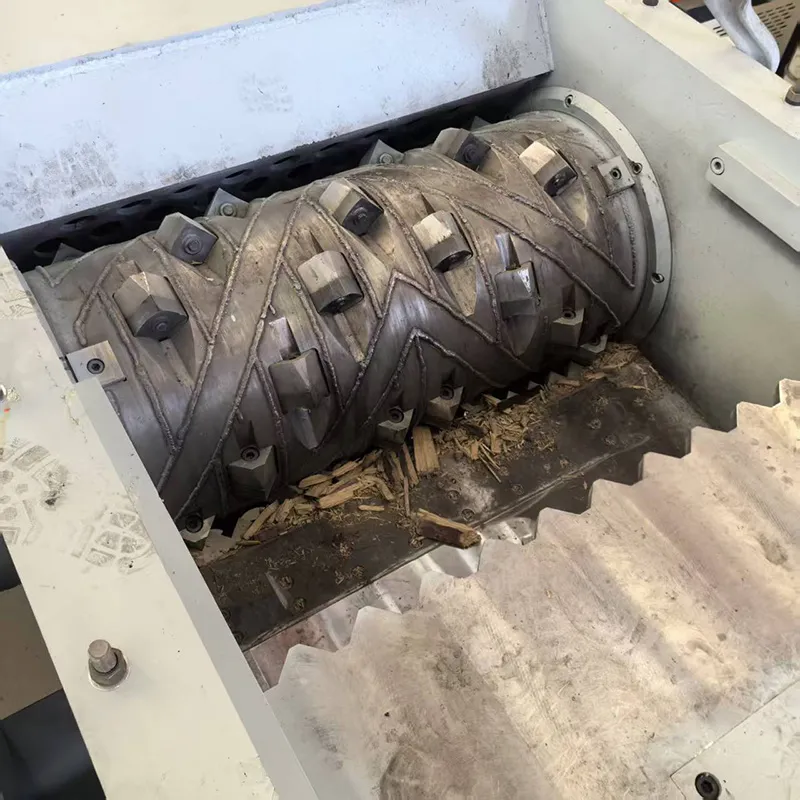
A twin shaft shredder blade — also written double shaft shredder blade — is a one-piece hook blade in alloy steel, through-hardened to 58–62 HRC. The hardness runs through the whole section, not a surface layer only, and it is recorded in the batch heat treatment record. Blades and spacers are mounted alternately on a hexagonal or square shaft: spacer thickness sets blade spacing, and blade spacing sets the discharge size. The blade shears material against the opposite shaft rather than crushing it, which is why the hook profile, not hardness alone, defines how it works.
2. Why can't twin shaft shredder blades be resharpened?
Three reasons, in the order they cause failures.
The hook profile is the function. Tip angle, hook depth and tip radius decide how well the blade bites. Grinding leaves either a rounded tip — material slips and spins instead of being bitten — or an over-sharpened tip whose thinner section chips on a thick-wall part or hard foreign object. A surface grinder grinds flat faces; it cannot reproduce a hook curve. That is a machine-capability limit, not an operator skill problem.
The shear clearance is a design value. It is set at assembly, and regrinding reduces blade outer diameter and thickness, so clearance grows: material is squeezed rather than sheared, discharge gets coarser and wear accelerates.
Grinding heat changes the edge. With poor cooling, grinding burn — local tempering in substance, plus possible micro-cracks — damages the edge in a way that stays invisible under light load, then breaks out the moment a thick-wall part arrives.
3. Can hardfacing be welded onto the blade edge instead?
Not recommended. After welding, hardness and geometry vary from blade to blade, so blades on one shaft differ in weight and profile, adding vibration to the shaft assembly under high torque. The weld-layer-to-base-metal boundary is also a natural crack initiation point: you save one blade's price and pay with shaft and bearing life.
4. How do you know when the blades need replacing?
Judge by condition, not by running hours. Any one of these is enough to order replacements: the hook tip has rounded and no longer bites; discharge drifts coarser at the same material and speed; running current rises; hourly throughput falls; the edge shows chipping or cracking. Log these beside your blade-change record to build a service-life curve for your own material.
5. Can single shaft shredder blades be sharpened?
Yes — and treating the two machine types as one maintenance category is where most blade mistakes start.
| Item | Twin shaft blades | Single shaft blades |
|---|---|---|
| Blade type | Hook | Square, four-edge |
| Heat treatment | Through-hardened, 58–62 HRC | Hardened edge |
| Can be rotated | No | Yes |
| Can be reground | No | Yes, several times |
| Replacement | Whole pieces at wear limit | Regrind and rotate, then replace |
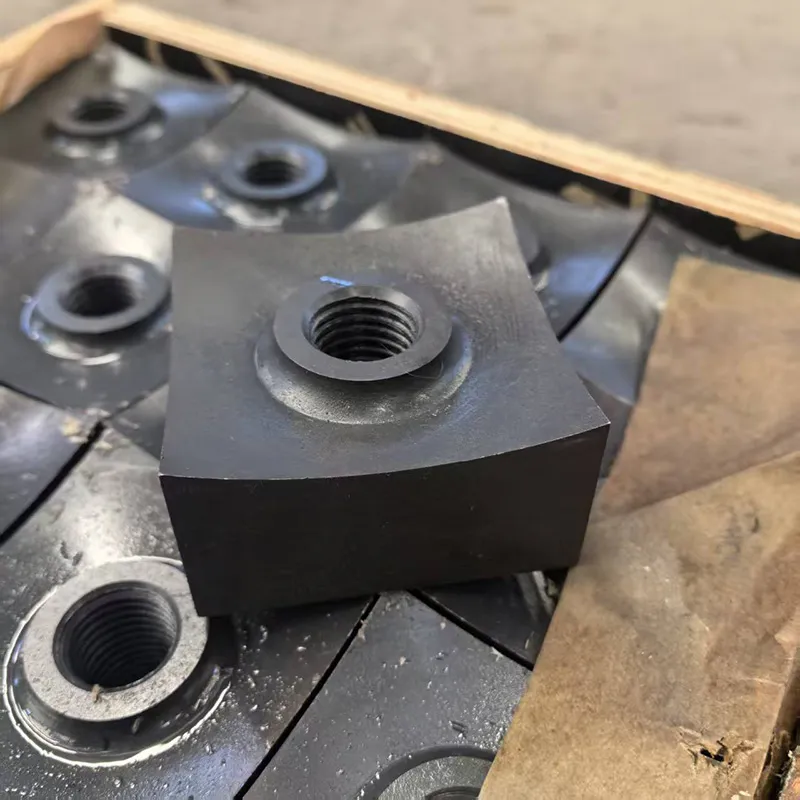
A single shaft blade is square with four working edges, and regrinding changes only the edge angle, not the assembled dimensions — so it can be ground. On a twin shaft machine blade thickness and spacer thickness are one fitted pair: change one and the discharge size falls apart.
6. How should twin shaft shredder blade spares be planned?
Buy in sets — blades from one batch share one dimension, avoiding uneven loading when new and worn blades are mixed.
Log the cycle — material type, running hours, blades replaced, reason.
Cut wear at the feed end — pre-sort out sand and hard objects, match material to machine power, avoid long idling.
Stock for the worst material — tyres and sandy or coated material wear blades far faster than plastic and wood.
Compare cost per tonne processed, not per blade: count removal and refitting labour, the clearance re-check, and rework from unstable discharge size. Count only the blade price and the answer is always "regrinding is cheaper" — which is how yards get caught out.
7. Key takeaways and citable data
Twin shaft shredder blades cannot be resharpened — the reason is geometry and fit, not insufficient hardness.
Single shaft blades can be ground and rotated; twin shaft blades cannot.
Judge replacement by condition: rounded tip, coarser discharge, rising current, falling throughput, chipped edge.
| Item | Value / fact | Basis |
|---|---|---|
| Blade hardness | 58–62 HRC (through-hardened) | Batch heat treatment record |
| Rotor speed | 8–12 rpm | Machine technical parameters |
| Discharge size control | Spacer thickness sets blade spacing | Structural design |
| Resharpening twin shaft blades | Not possible | Heat treatment form + assembly fit |
| Resharpening single shaft blades | Possible, and rotation is allowed | Square four-edge design |
Written and reviewed by the Yuantong Technical Department. Last updated 2026-10-12.
8. FAQ
Can twin shaft shredder blades be sharpened and reused?
No. You cannot sharpen twin shaft shredder blades and reuse them, and resharpening is not worth it. They are one-piece hook blades, through-hardened to 58–62 HRC, and the hook profile plus the shaft clearance are set at assembly. Grinding changes both, so the blades stop biting and the clearance goes out.
Can I weld hardfacing onto the blade edge to extend its life?
Not recommended. Hardfacing leaves uneven hardness and geometry across the blade set, which adds vibration to the shaft assembly under high torque, and the weld-layer interface becomes a crack initiation point.
How do I know when the blades need replacing?
The signs of worn shredder blades show up at the edge, so watch condition rather than the calendar: a rounded hook tip that no longer bites, a coarser discharge size at the same material and speed, higher running current, falling throughput, and any chipping or cracking.
Can single shaft shredder blades be sharpened?
Yes. Single shaft machines use square four-edge blades that can be rotated and reground several times before replacement, because regrinding changes only the cutting edge angle and not the assembled dimensions.
Is resharpening cheaper than replacing twin shaft shredder blades?
Shredder blade replacement cost cannot be judged per blade — compare cost per tonne processed instead. Resharpening saves the blade price but adds removal and refitting time, a clearance re-check, and unstable discharge size afterwards.
Online message