
Shear
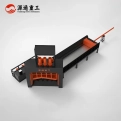
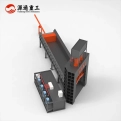
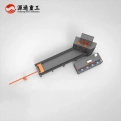
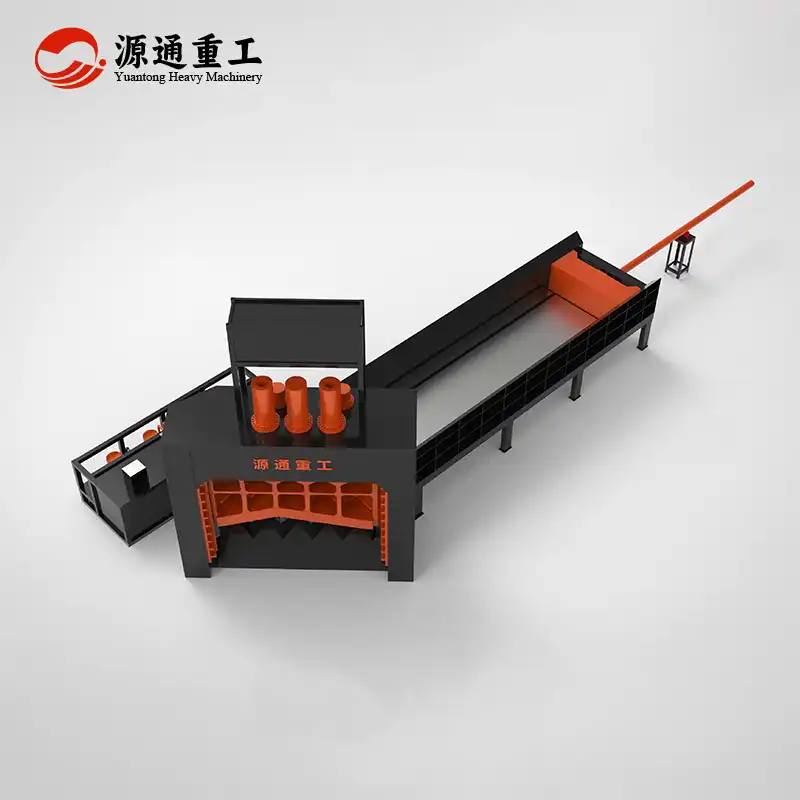
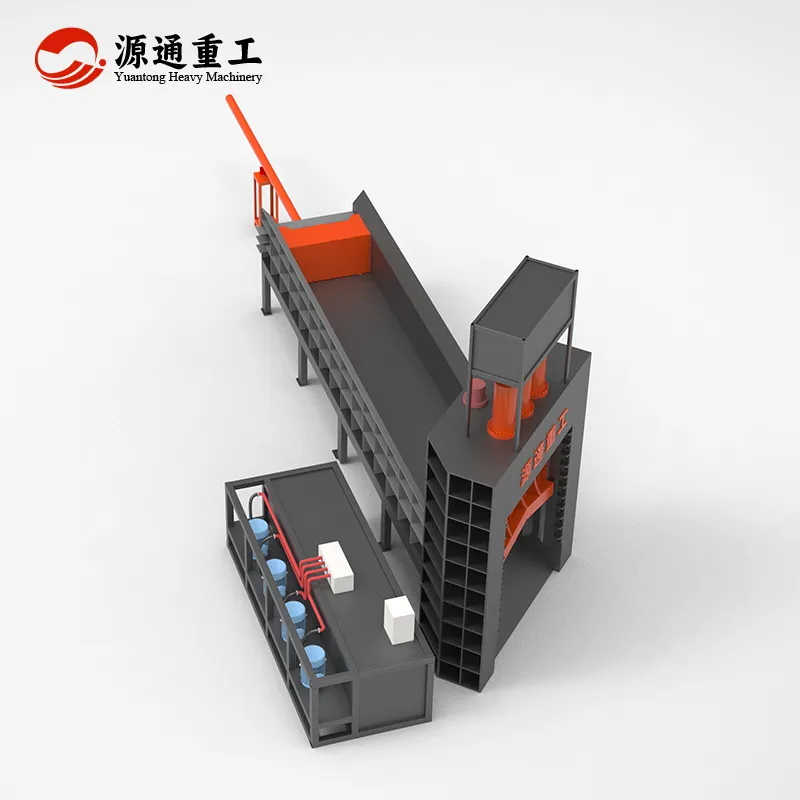
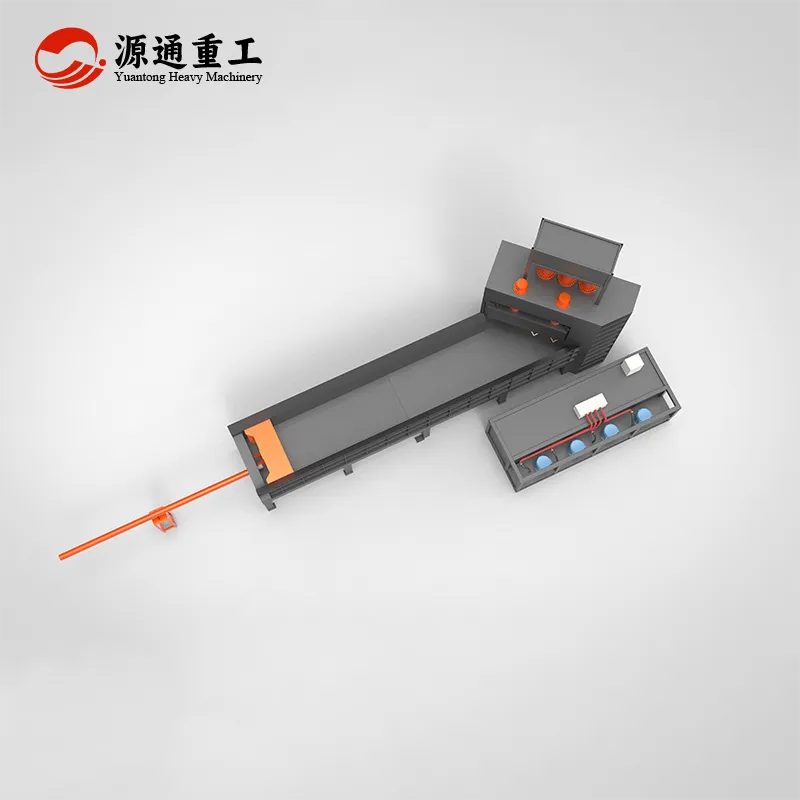
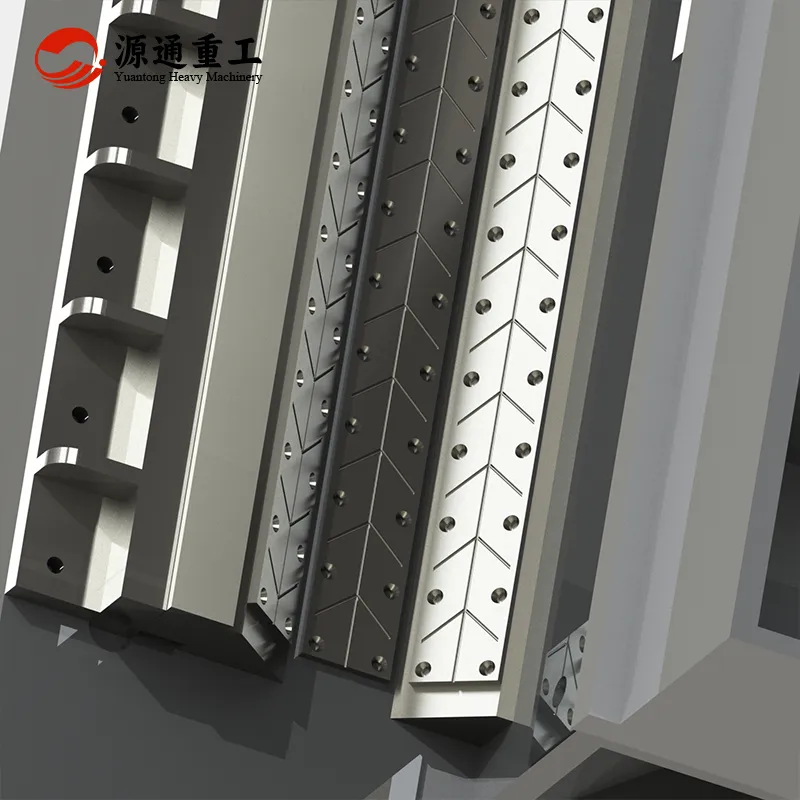
Stepped Blade Shear
Stepped blade scrap metal shear for ship plate and steel plate. Cuts wide plate into furnace-ready pieces in one pass. 800-2000 ton, 3 cuts per minute...
Model:
Q91Y Series
Power:
74-460kw
Blade length:
1200-3000mm
Box size:
The width of the material box is generally the width of the blade, and the length is 6m or 8m.
1. Product Introduction
The stepped blade scrap metal shear is a cut-to-size machine for large-format plate. Its core value: ship plate, steel plate and vessel plate are cut to furnace-ready sizes in a single pass, with no second shearing operation.
Yards that handle ship plate know the problem. Ship plate, vessel plate and large structural plate share the same traits: large area, medium thickness. A straight blade shear can only cut them one strip at a time, and the pieces it produces usually need a second cut before they meet furnace specifications — two machine hours, two lifts, two labour passes. The stepped blade scrap metal shear solves that layer: one pass produces furnace-ready pieces.
The division of labour among the three shear types is worth making clear, because it is the most common source of confusion at the selection stage:
Straight blade shear — the cut-off operation for standard plate and section steel, suited to yards where the incoming material varies;
Multi-blade shear — multiple blades in parallel, splitting wide plate into strips in one pass;
Stepped blade shear — the upgraded version of the multi-blade machine. Blades are arranged in steps and engage the material in stages, so the load is smoother when cutting large-area, wide-format plate, and one pass produces finished sizes.
All three shear types cut hydraulically and produce no chips; they differ in blade arrangement and in the material types that follow from it. Cutting force range is 800–2000 ton, cutting widths are 1200 / 1600 / 2000 / 2500 mm, and cutting frequency is about 3 cuts per minute.
Suitable material: ship plate from vessel breaking, steel plate, vessel and tank plate, large structural scrap plate, wide scrap steel plate — large-area material that needs cut-to-size shearing before charging.
Not suitable: light material (sheet steel, cans, appliance shells) belongs to crushing or baling equipment rather than to a scrap metal shear; tinplate goes to crushing; long sections and rebar cut to length are better handled by a multi-blade or straight blade machine; solid pieces beyond capacity (thick solid shafts, castings) should be cut by torch or reduced in a crusher first.
2. Structure and Components
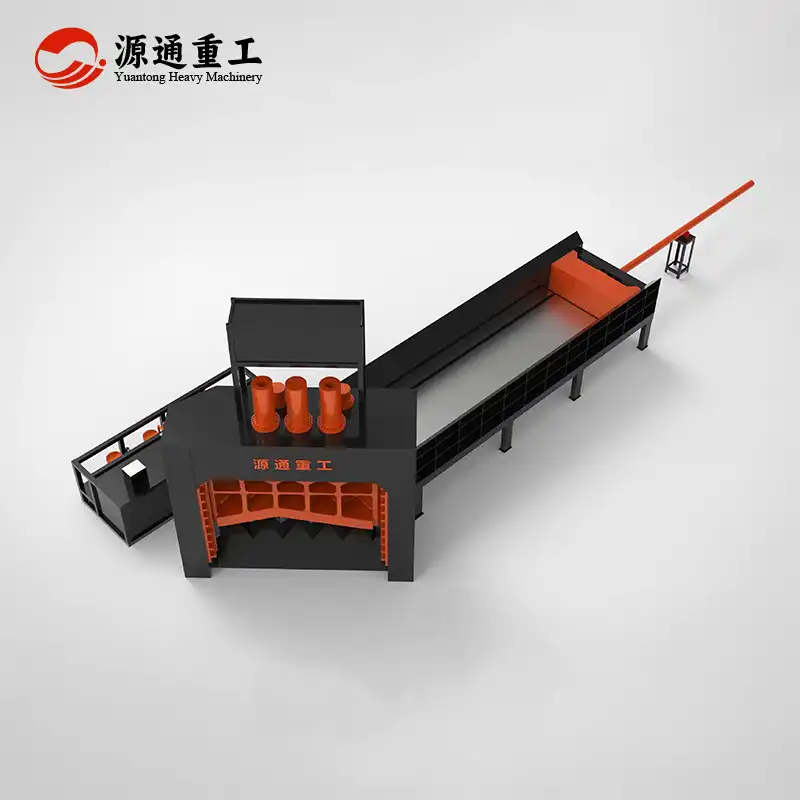
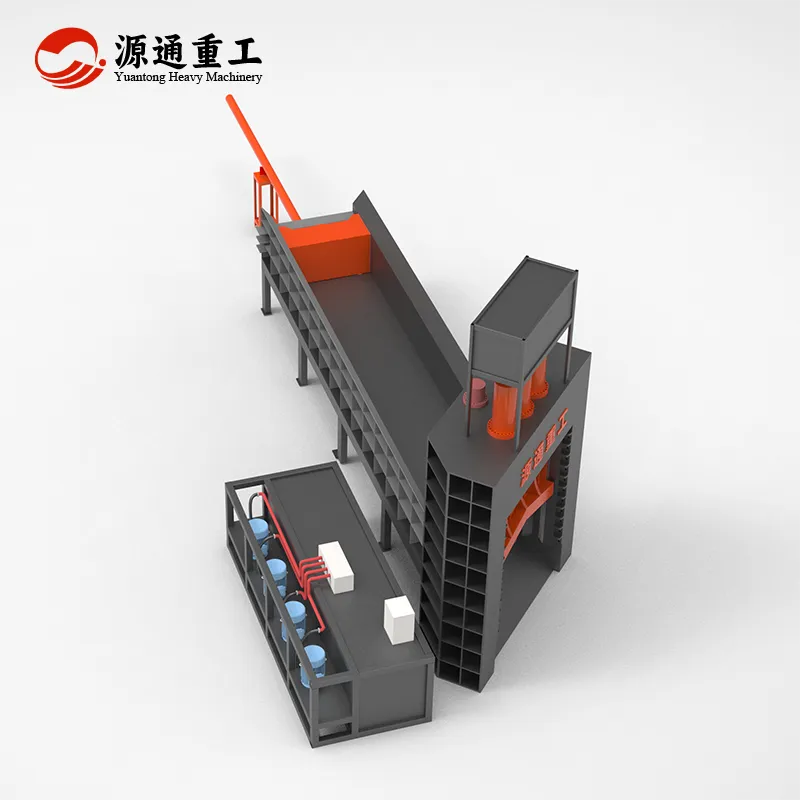
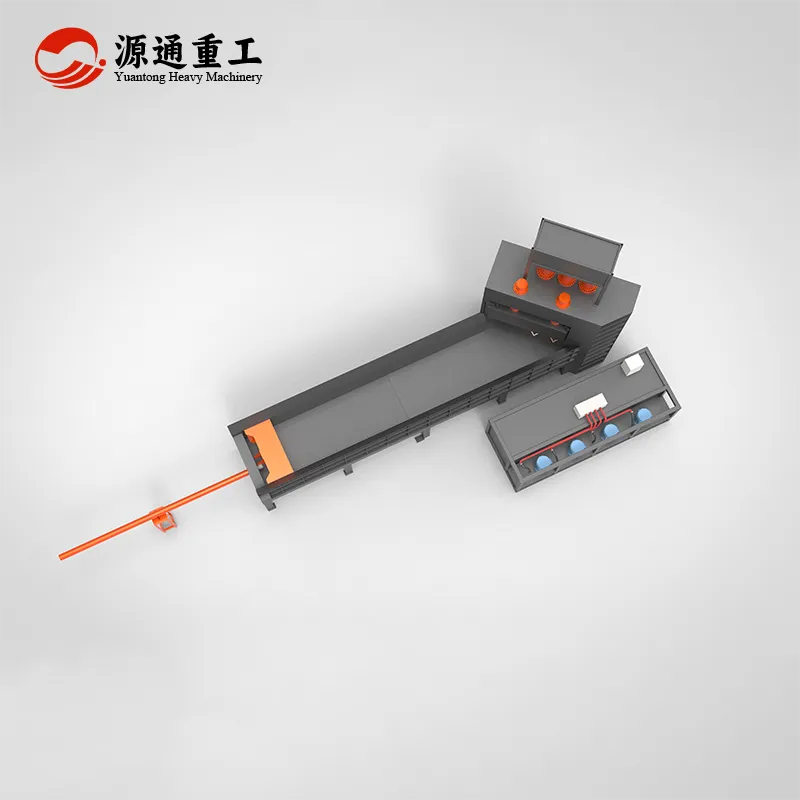
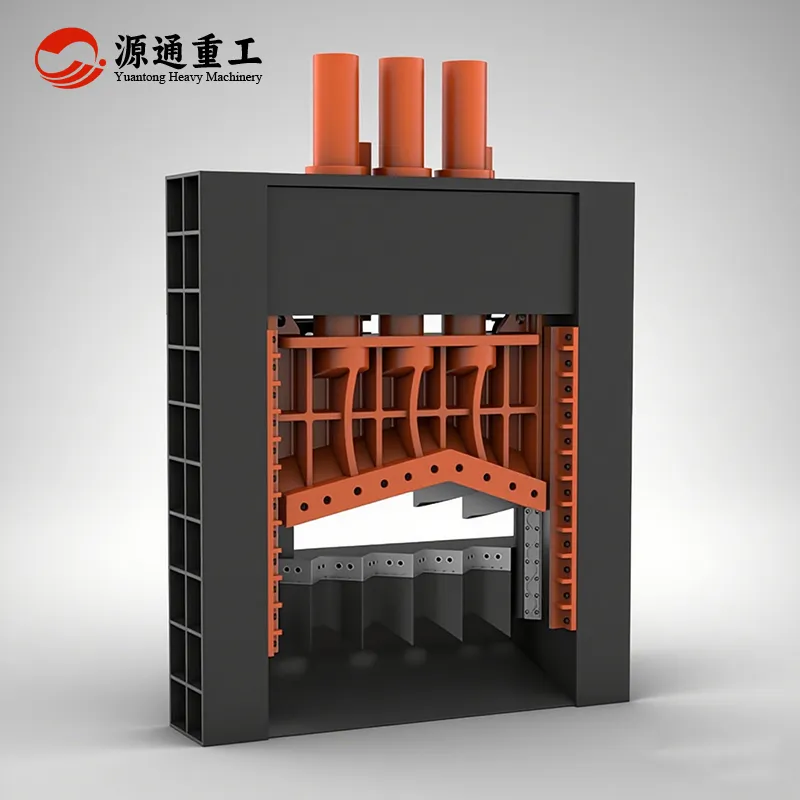
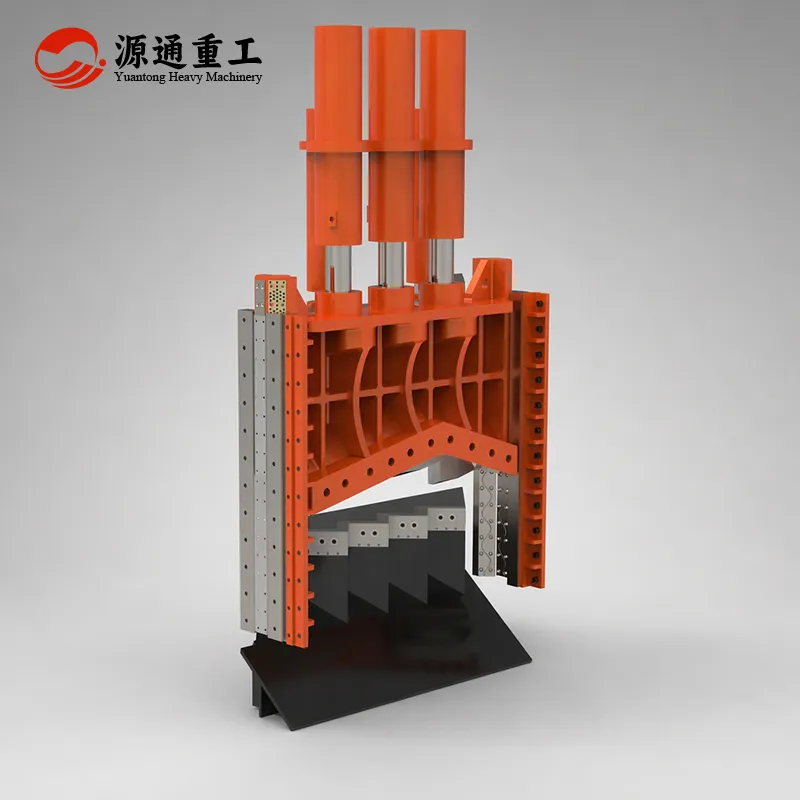
The machine consists of the material box, the stepped blade set, the blade holder and slides, the hydraulic system, the frame and the electrical control system.
Material box — the box structure that holds large-format plate; the hold-down device clamps and locates the plate before shearing. The opening determines the largest plate format that can be loaded directly on the scrap metal shear. Standard cutting widths are 1200 / 1600 / 2000 / 2500 mm, matched to the incoming plate format — the first parameter to confirm at selection.
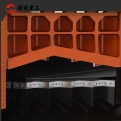
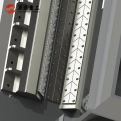
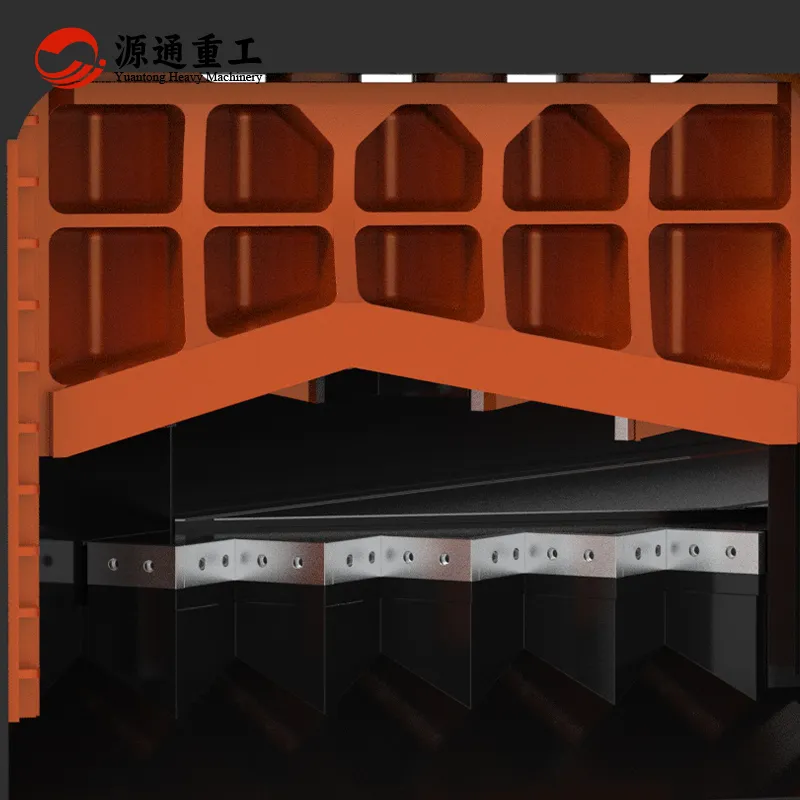
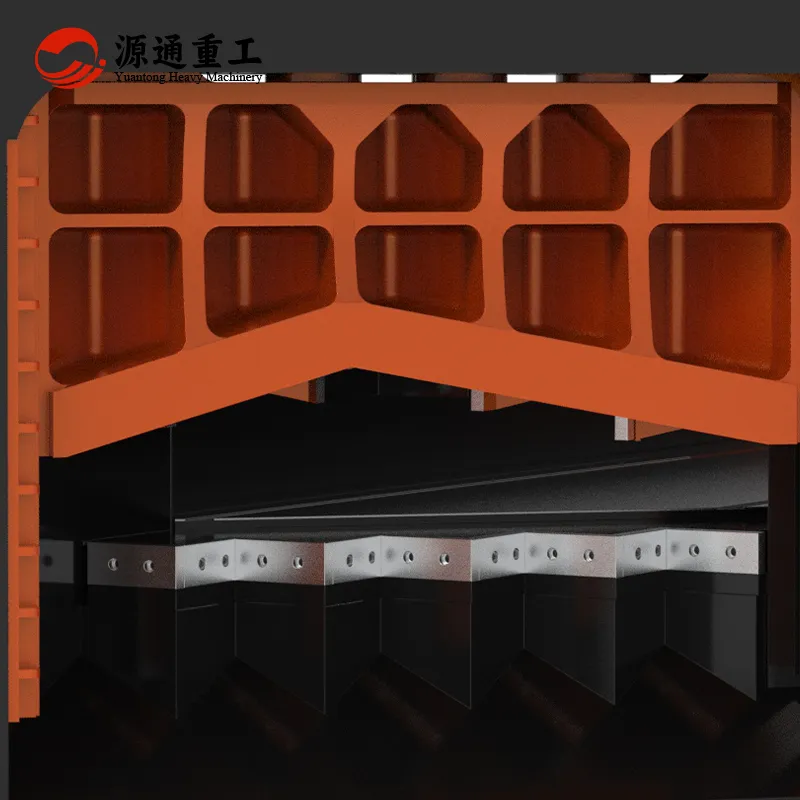
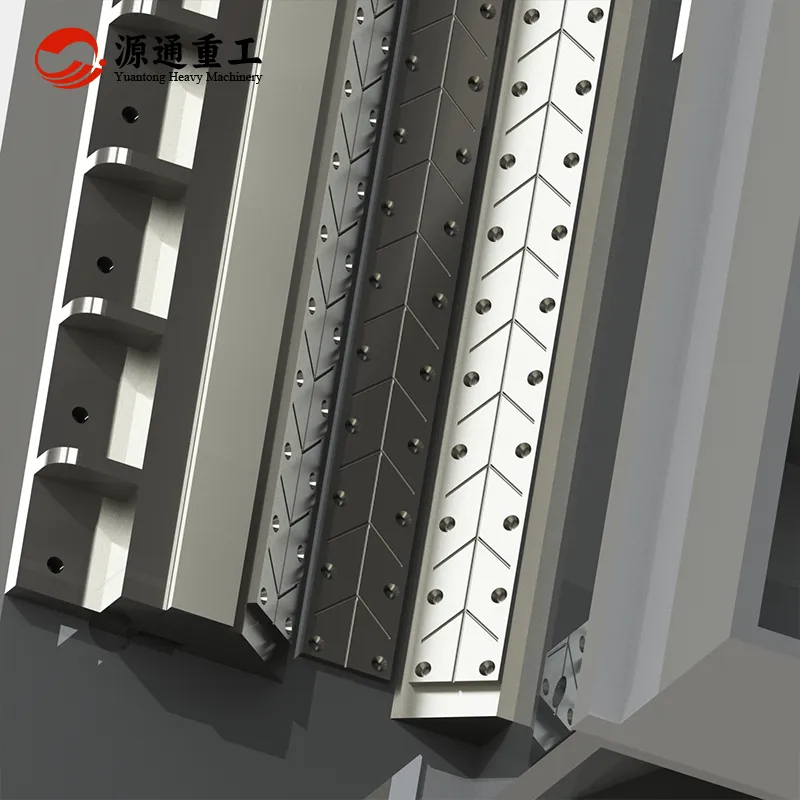
Stepped blade set — upper and lower blades are arranged in steps, with a height difference between sections, so they engage the material in sequence. That height difference is what separates a stepped blade shear from a multi-blade machine. Blade material on a scrap metal shear is specified by working condition, and the choice is essentially a trade-off between wear resistance and impact toughness:
H13 (standard) — good toughness, resistant to impact. Suited to mixed incoming material, possible hard inclusions, and wide variation in plate thickness. Where thick plate or large sections put a high single-impact load on the edge, H13 is the safer choice against edge chipping.
X45 (wear resistance first) — higher wear resistance than H13. Suited to high-volume, fairly consistent, abrasive plate: heavily rusted, sandy or coated ship plate and tank plate. Choose X45 for continuous cut-to-size work where longer intervals between blade changes matter.
Chemical composition and heat treatment of specific grades should follow the blade supplier's data; hardness and toughness of individual batches need verifying in actual working conditions before bulk purchasing.
Blade holder and slides — the holder travels vertically along the slides, which carry graphite copper liners (copper base with graphite, self-lubricating). This is not an arbitrary choice: the slides of a scrap metal shear carry high specific pressure plus reciprocating motion, and ordinary copper liners need frequent greasing. The self-lubricating property of graphite copper reduces maintenance frequency and holds the wear rate down under high load.
Hydraulic system — the main cylinder provides cutting force and the hold-down cylinder clamps before the cut. Pressure control and relief protection prevent overload damage to the frame and blades.
Frame — a welded heavy-plate structure, stress-relieved after welding. A scrap metal shear carries alternating impact loads; insufficient frame rigidity shows up directly in cut quality and blade life.
Electrical control — a PLC runs the cutting cycle with pressure and position monitoring, semi-automatic or automatic cycling, plus emergency stop and safety door interlock.
3. Working Principle
A full cycle: plate loaded into the material box → hold-down clamps the plate → the main cylinder drives the blade holder down → stepped blades cut the plate in stages into furnace-ready pieces → the holder returns → discharge, and the next cycle begins. Cutting frequency on the scrap metal shear is about 3 cuts per minute.
The point of the stepped blade lies in how force is applied. If the edge were a single full-width straight blade contacting the whole plate at once, the tonnage peak at the moment of cutting would be the highest, and the shock to frame rigidity and hydraulics the greatest. The stepped arrangement divides that edge into several sections with height differences, engaging the material in sequence and breaking one high instantaneous load into several smaller ones. With the peak reduced, a scrap metal shear of the same tonnage can handle wider plate, and the shock on frame and blades is gentler.
The number of steps follows the finished size: steps = total cutting width ÷ finished size. With a cutting width of 2000 mm and a target finished size of 500 mm, the configuration is 2000 ÷ 500 = 4 steps, and one cut produces four 500 mm furnace-ready pieces. This also sets the correct order of selection: define the finished size and the incoming plate format first, then determine step count and blade arrangement. Once the finished size is fixed, the plate format a stepped blade shear can cut is fixed with it.
4. Key Features
Cut-to-size in one pass, straight to the furnace — the core difference from other scrap metal shear types. Skipping the second shearing operation means one less lift, one less machine hour and one less labour pass; in high-volume plate processing this shows up directly in cost per tonne processed.
Stepped blades engage in stages, smoothing the instantaneous load — the full-width peak load is shared by several blade sections in sequence, reducing the instantaneous shock on frame rigidity and hydraulics and allowing a wider plate format at the same tonnage.
Graphite copper slide liners — a copper base with graphite, self-lubricating, keeps wear low under high specific pressure and reciprocating motion, cuts routine greasing work and extends the slide overhaul interval.
Blade material specified by working condition — H13 for standard cutting; X45 where the material is more abrasive. Blades are the core wear part of a scrap metal shear, and the grade chosen directly determines processing cost per tonne.
Material box with hold-down, consistent cuts — large plate tends to shift while being cut; clamping before shearing keeps cuts straight and finished sizes stable, and removes the safety risk of plate springing.
800–2000 ton and 1200–2500 mm cutting width, matched to the job — from smaller processing yards to large-format ship plate work, machine size is matched to incoming format and finished size rather than over-specified.
5. Applications
Shipyards and ship plate processing — wide, large-area ship plate is the classic application for this scrap metal shear. Plate from vessel breaking is cut to furnace-ready size in one pass, then sold on or sent to the steel mill.
Steel plate and vessel plate — dismantled large tanks, pressure vessels and boiler plate: large format, medium thickness, suited to one-pass cut-to-size shearing.
Scrap yards and processing centres — converting purchased large scrap plate into the furnace sizes a mill requires, then loading straight to the truck with no second processing step.
Steel mill scrap bays — the cut-to-size step before charging, matching plate to furnace opening and charging equipment.
Lines with other equipment — the stepped blade scrap metal shear is often the main machine in a plate processing line, with a loading device upstream and conveying or direct loading downstream. Where a baler or crusher is part of the same line, material should first be split by type; light material does not go through the shearing stage.
Options: automatic loading device and discharge conveyor, specified with the line layout.
Technical Specifications
| Model | Shear Force (t) |
Blade length (mm) |
Shear Frequency (times/min) |
Power (kw) |
Working pressure (Mpa) |
Box size | ||
| Q91Y-800 | 800 | ≤1200 | 3-5 | 180 | 28 | 8000*1900*900(1200) | ||
| Q91Y-1000 | 1000 | ≤1600 | 3 | 270 | 28 | 8000*2900*900(1200) | ||
| Q91Y-1250 | 1200 | ≤2000 | 3 | 315 | 28 | 8000*2900*900(1200) | ||
| Q91Y-1500 | 1500 | ≤2500 | 3 | 450 | 28 | 8000*2900*1000(1300) | ||
| For more information, please contact us: 8615736727558 hnytzgjx@163.com | ||||||||
FAQ Section
Frequently Asked Questions!
Find answers to frequently asked questions about our products, services, and policies—all your queries will be addressed here.

Is a stepped-blade shear more expensive than a straight-blade one?
Generally yes, because the blade arrangement is more complex to manufacture: High price. Worth it for consistent plate; for mixed scrap a straight blade machine gives better value.
Which materials benefit most from stepped blades?
Wide, relatively thin material where a straight cut needs very high force: sheet and plate, structural plate, body panels and long strips. Less useful on thick solid sections.
What advantage does a stepped blade have over a straight blade?
Three: lower peak cutting force, less material slipping or riding up during the cut, and less jamming on very wide material. The trade-off is that it suits consistent material better.
What is a stepped blade gantry shear?
The cutting edge is divided into offset segments rather than one straight edge, so a stroke cuts progressively across the material instead of engaging its full length at once.
What is the difference between straight, multi-blade and stepped blade gantry shears?
Straight blade: one cut per stroke, most versatile. Multi-blade: cuts into several pieces for high throughput on plate. Stepped blade: offset segments cut progressively, lowering peak force.