
Industry Insights
Market trends, recycling technology and machine selection guides for scrap yard operators, written by the engineers who build the equipment. Good machines, built by Yuantong.
What Materials Can a Single Shaft Shredder Shred
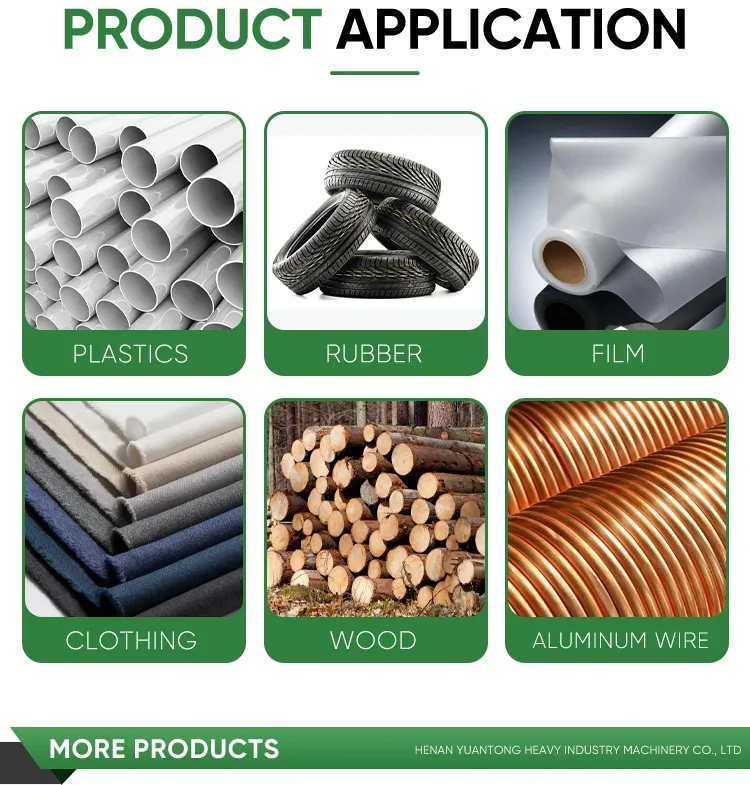
A single shaft shredder can process plastics, wood, paper, cardboard, selected textiles, and certain light metal scraps when equipped for those applications. Some specialized models also handle industrial waste and refuse-derived fuel feedstock. However, no single configuration is suitable for every material.
For recycling companies, manufacturers, and equipment buyers, material compatibility should come before motor power or purchase price. Feedstock dimensions, toughness, contamination, and required output all influence the correct rotor, cutting tools, screen, and feeding arrangement.
How Does a Single Shaft Shredder Process Materials?
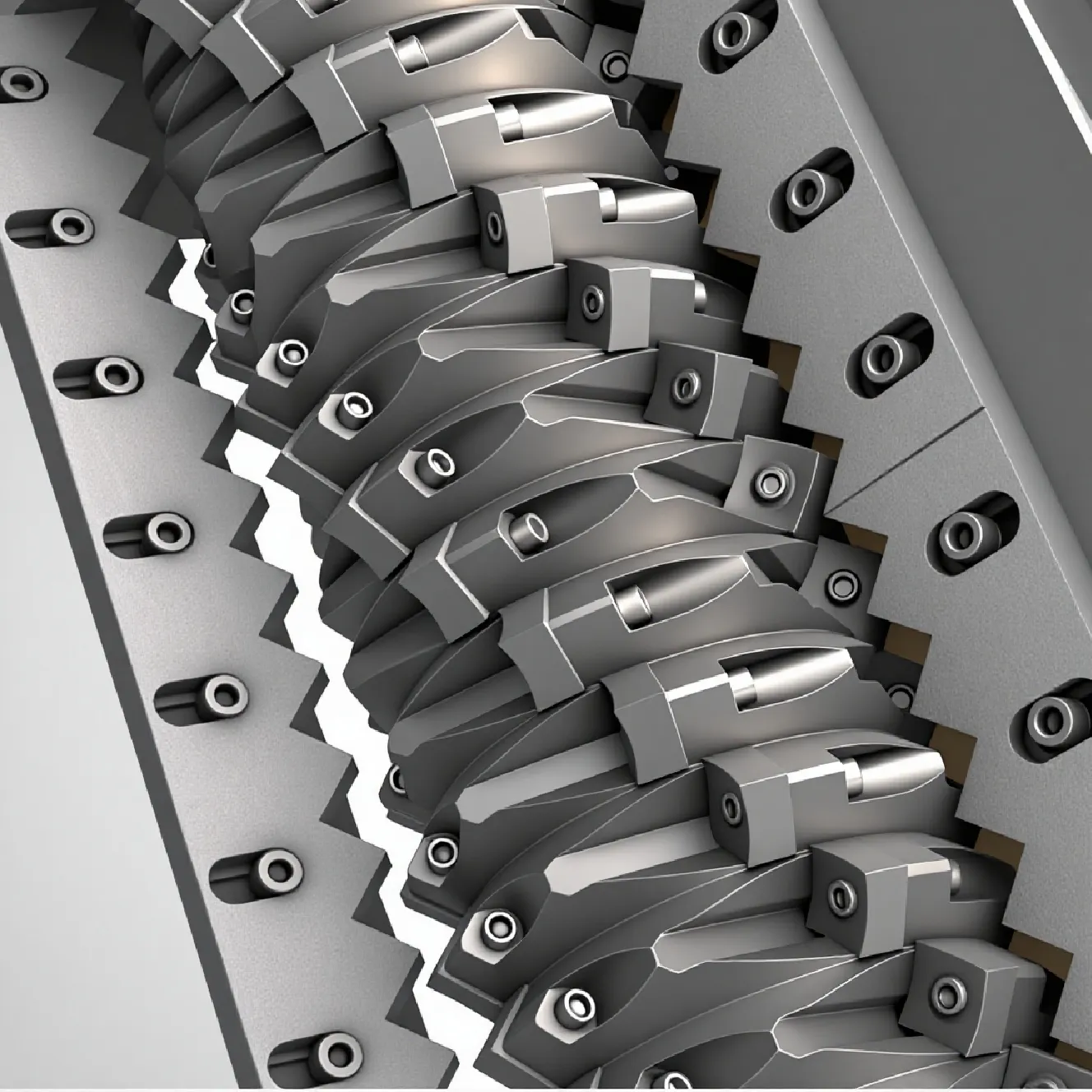
A typical single shaft shredder uses a rotating cutting rotor, stationary counter-knives, and a controlled feeding system. Many designs incorporate a hydraulic pusher that moves material toward the rotor.
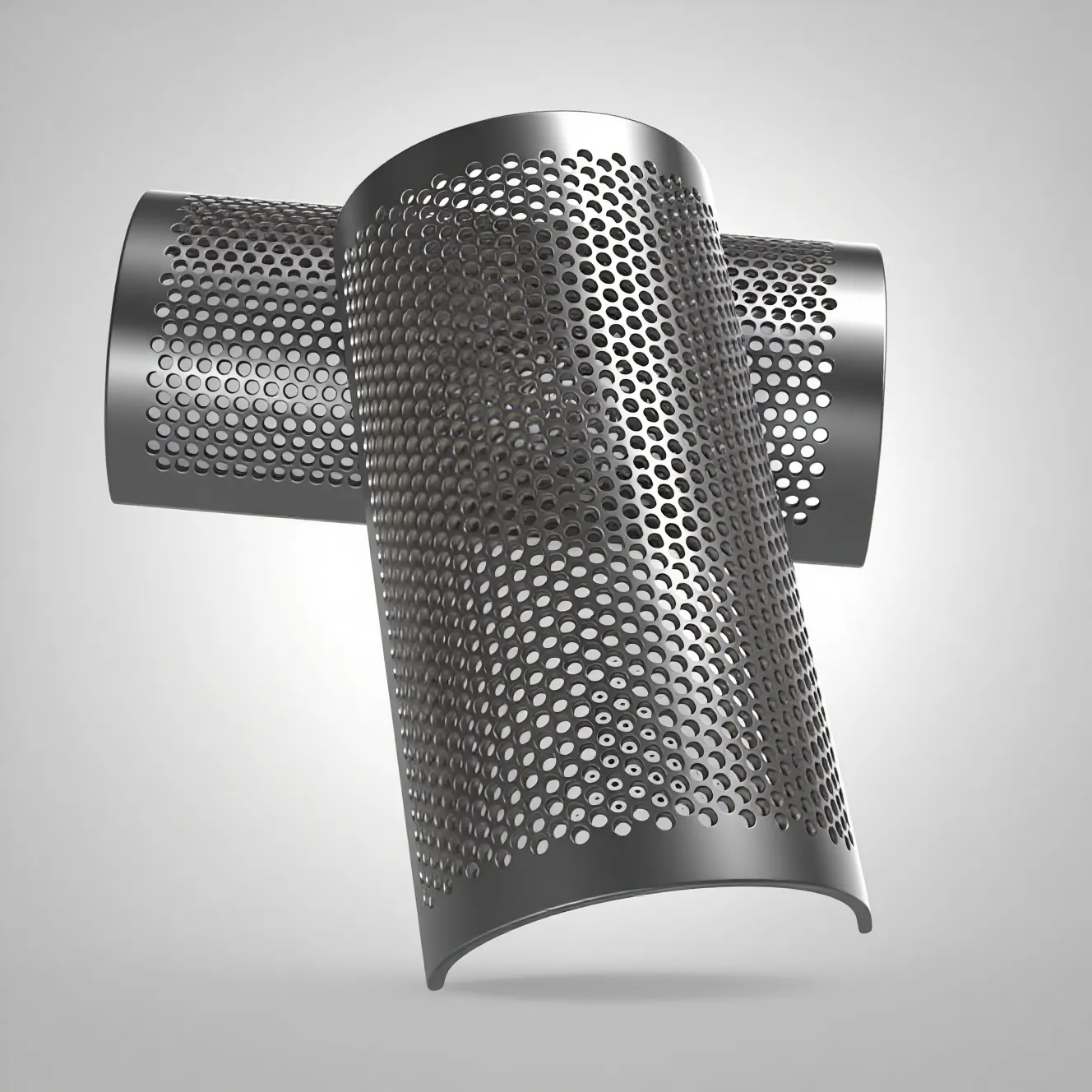
A screen beneath the cutting area helps control discharge size. Material remains in the cutting chamber until it can pass through the screen, although the final particle shape and size distribution depend on the feedstock and machine settings. Different rotor and blade configurations allow manufacturers to adapt machines to specific applications.
1. Rigid Plastics and Production Waste
Plastics are among the most common applications for single shaft shredders. Suitable materials can include:
· HDPE containers and production offcuts.
· PP components and molding rejects.
· PET packaging.
· Plastic pipes and profiles.
· Injection-molding purgings and start-up lumps.
· Plastic pallets, crates, and bulky molded parts.
Industrial models are available for both production scrap and post-consumer plastics. Tough, thick-walled parts or large purgings may require a different cutting configuration from thin packaging.
For buyers, the important question is not simply whether a shredder handles “plastic.” Specify the polymer, wall thickness, largest dimensions, and condition of the material. Confirm whether the shredded output will feed a granulator, washing line, or another recycling stage.
2. Plastic Film and Flexible Packaging
Suitable single shaft shredders can also process film, flexible production waste, and certain woven or fibrous materials. However, these materials require careful feeding and cutting-system selection.
Lightweight film behaves differently from rigid plastic. A configuration designed for flexible feedstock helps maintain controlled feeding and effective cutting. Commercial machines may use dedicated rotor geometry or roller-feeding arrangements for films and nonwoven materials.
Ask the supplier to test your film in its normal condition—loose, rolled, bundled, or contaminated—rather than relying on a demonstration using clean rigid plastic.
3. Wood Waste and Pallets
Wood-processing facilities use single shaft shredders for offcuts, pallets, crates, and suitable furniture waste. Machines specifically designed for wood recycling can prepare material for further processing or recovery.
Some pallet-shredding systems tolerate embedded nails, screws, and staples, followed by magnetic separation. This capability is model-specific and should not be interpreted as permission to introduce unrestricted metal contamination.
Before selecting equipment, identify the largest timber sections, moisture variation, embedded hardware, and required discharge size. Also tell the supplier whether the feed contains coated boards or mixed furniture components.
4. Paper, Cardboard, and Packaging
Single shaft shredders can reduce paper waste, cardboard, paperboard, and confidential documents. Industrial installations also process bulky paper and cardboard bales to prepare material for downstream use.
The appropriate configuration depends on how the material arrives and what happens next. Loose cartons, tightly compressed bales, and document waste present different feeding requirements.
If secure document destruction is the objective, verify the required security classification separately. A machine’s ability to shred paper does not automatically establish that its output meets a particular destruction standard.
5. Textiles and Nonwoven Materials
Selected single shaft machines can process textile production waste, nonwoven fabrics, and other fibrous materials. Manufacturers offer specialized configurations for these applications rather than treating them as interchangeable with wood or rigid plastic.
Provide samples containing the actual fibers, backing layers, and fasteners present in your waste. Ask the supplier to demonstrate consistent feeding and discharge, and inspect the output before approving the machine.
Shredding is often only one step in textile recycling; it does not automatically produce clean, reusable fibers.
6. Selected Light Metals and Machining Scrap
Metal-rated single shaft shredders can process certain aluminum scraps, profiles, beverage cans, cables, and machining residues. Suitability depends on the metal, dimensions, thickness, and machine specification.
This does not mean a general-purpose single shaft shredder can accept thick steel plate, solid bars, engines, or oversized structural scrap. For demanding metal applications, obtain written material limits and conduct representative trials.
If your objective is metal recovery from cables or composite products, plan the downstream separation process as well.
How to Confirm Whether Your Material Is Suitable
Send the manufacturer material photos, representative samples, maximum dimensions, hourly volume, contamination details, and target output specifications.
During testing, evaluate sustained throughput, energy use, particle-size distribution, feeding consistency, and operator intervention. Do not assume one successful sample proves suitability for every batch.
Get a Configuration Matched to Your Material
A single shaft shredder can serve many recycling applications, but reliable performance depends on matching the machine to the feedstock.
Contact our factory with your material details, processing target, and downstream requirements. We can review your application and recommend a suitable configuration for technical evaluation and material testing.
Online message