
Industry Insights
What Is the Difference Between a Metal Baler and a Briquetting Machine
The main difference is the material each machine processes and the compacted product it produces. A metal baler compresses bulky scrap, such as sheet offcuts and metal packaging, into larger bales. A metal briquetting machine typically compresses smaller machining residues, including chips, turnings, and suitable grinding sludge, into dense briquettes. Both reduce loose scrap volume, but they serve different recycling workflows.
For recycling businesses and manufacturing plants, the right choice starts with feedstock, not simply pressing force or purchase price.
What Does a Metal Baler Do?
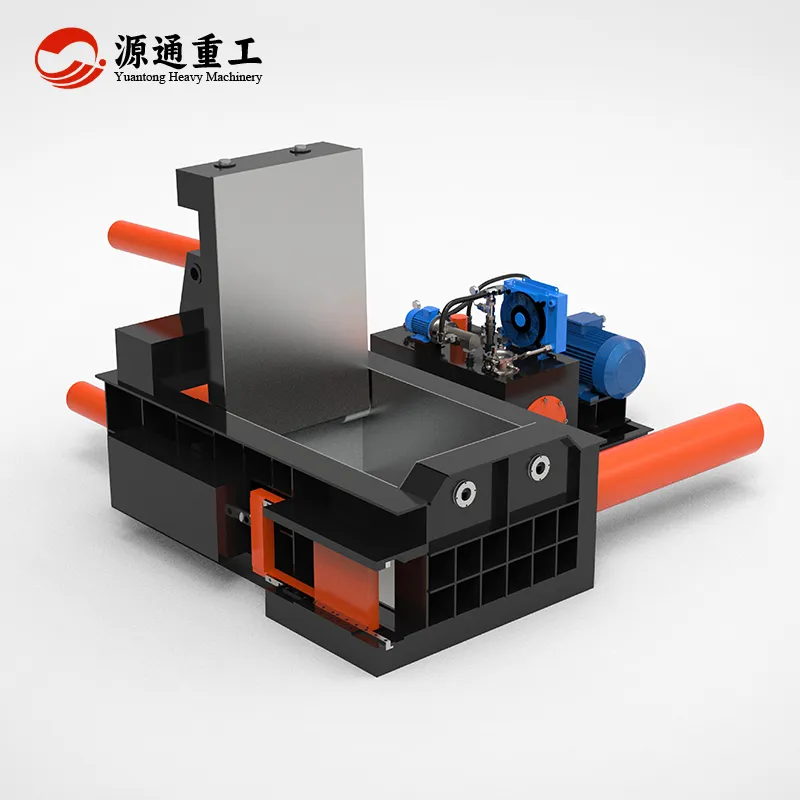
A scrap metal baler uses hydraulic compression to turn loose metal into manageable blocks. Depending on its design, it may handle steel stampings, aluminum scrap, cans, sheet metal, or other suitable materials. Heavy-duty models can accommodate larger and more demanding scrap streams.
The main purpose is to improve handling, storage, and transport. Instead of moving loosely piled material, operators handle compact bales with more consistent dimensions.
Balers are commonly considered by scrap yards, metal processors, and factories generating bulky production offcuts. The appropriate chamber size and compression arrangement depend on the incoming material and the required bale specification.


What Does a Metal Briquetting Machine Do?
A metal briquetting machine compresses fine or fragmented machining waste into compact, dense briquettes. Typical materials include steel, cast iron, aluminum, brass, and copper chips, subject to the machine's specifications.
An important additional function is fluid recovery. When processing suitable wet chips, briquetting can squeeze out retained cutting oil or coolant for collection. Whether recovered fluid can return to production depends on its condition and the necessary filtration or treatment.
This makes briquetting particularly relevant to CNC machining shops, automotive component manufacturers, and other businesses producing regular volumes of swarf.
Which Machine Should You Choose?
1.Choose a Baler for Bulky Scrap
A baler is generally the better starting point when your main problem is storing and transporting loose sheet scrap, stampings, cans, or similar bulky material. Confirm that the resulting bale dimensions, weight, and composition meet your downstream buyer’s requirements.
2.Choose Briquetting for Machining Residues
A briquetting press is generally more appropriate when your waste consists mainly of metal chips or turnings, particularly where retained coolant creates handling or disposal costs. Long, tangled chips may require shredding before briquetting to achieve reliable feeding.
Do not assume every metal residue behaves the same way. Ask the supplier to test representative material, including its normal moisture, oil content, and particle-size variation.
Compare Operating Results, Not Just Machine Specifications
Neither pressing force nor motor power alone tells you which machine offers better value. Request demonstrated throughput, finished-product quality, maintenance requirements, and expected wear-part consumption for your material.
Include installation, feeding equipment, energy, labor, maintenance, and downtime in your cost comparison. For briquetting, assess recoverable fluid value separately. Confirm any claimed scrap-price improvement with your actual buyer rather than assuming denser material automatically earns more.
Find the Right Solution for Your Scrap
A baler addresses bulky scrap logistics; a briquetting machine is typically better suited to machining residues and potential coolant recovery.
Send our factory your material photos, scrap dimensions, daily volume, fluid content, and required output specifications. We can review your application and help identify a suitable configuration for further technical evaluation.
Online message