
Troubleshooting
Gantry Shear vs Metal Shredder Which Is Better for Scrap Metal Recycling
Choosing between a gantry shear and a metal shredder depends on the scrap you handle, the output size your downstream buyer requires, and whether your priority is controlled cutting or material liberation. For heavy structural steel, oversized scrap, and furnace-size preparation, a hydraulic gantry shear is often the better fit; for mixed scrap, vehicle bodies, and separation-focused processing, a metal shredder is usually more suitable.
Quick Answer
A gantry shear cuts large scrap into controlled lengths using concentrated hydraulic force. It is designed for heavy steel beams, plates, pipes, structural sections, and bulky HMS scrap that may be too large for direct transport, furnace charging, or downstream equipment.
A metal shredder tears, breaks, and reduces material into smaller fragments. It is commonly used when a recycling plant needs to process mixed scrap, end-of-life vehicles, production waste, or compacted material before magnetic separation, non-ferrous recovery, or further sorting.
Neither machine is universally “better.” The right choice depends on the input material, required throughput, downstream process, available power, site conditions, and total cost of ownership.
When a Gantry Shear Is Better
Choose a hydraulic gantry shear if your facility mainly handles heavy ferrous scrap that needs to be cut to a defined size.
A gantry shear is usually the stronger option when you process:
Heavy steel beams, rebar bundles, profiles, pipes, and plates
HMS and demolition scrap with irregular dimensions
Large industrial offcuts and structural steel
Vehicle frames, axles, and other dense ferrous components
Scrap that must meet a steel mill’s maximum length requirement
Material that could damage, jam, or overload downstream equipment
The major advantage is controlled sizing. Instead of producing mixed fragments, the machine converts bulky material into more uniform pieces. This can simplify loading, reduce transport inefficiency, improve stockpile management, and help prepare scrap for direct furnace charging or secondary processing.
For example, a recycler handling long I-beams and thick plate may need to cut them into manageable lengths before shipping to a mill. In that case, a gantry shear can be more practical than a shredder because the objective is not separation—it is controlled heavy-duty cutting.
When a Metal Shredder Is Better
Choose a metal shredder if your operation processes a broad mix of materials and needs size reduction before sorting or recovery.
A shredder is typically better for:
Mixed ferrous and non-ferrous scrap
End-of-life vehicles and vehicle bodies
Light-gauge scrap and production waste
Bundled or compacted scrap requiring opening
Material streams that need magnetic or non-ferrous separation
Operations focused on recovering multiple material fractions
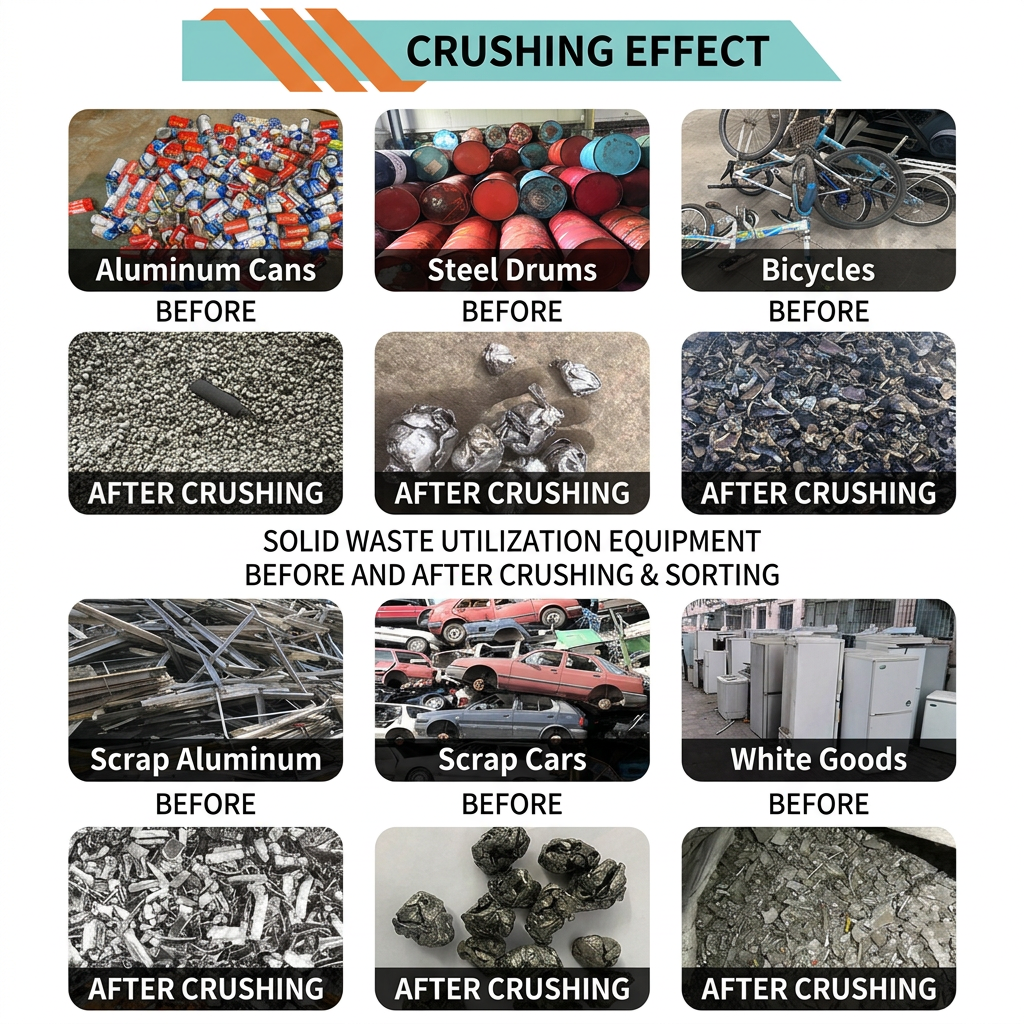
Shredding makes material smaller and exposes different components for downstream separation. A recycling line may combine conveyors, magnets, eddy-current separators, air separation, and other systems after shredding to recover ferrous metal, aluminum, copper-bearing fractions, and residue.
Industrial shredders vary greatly. Low-speed dual-shaft units may be used for bulky or mixed feedstock, while high-speed hammermill systems are designed for very high throughput but typically require more infrastructure, power, capital investment, and downstream processing equipment
.
Can You Use Both Machines?
Yes. In many large recycling plants, a gantry shear and a metal shredder perform complementary jobs.
A gantry shear can be installed upstream to reduce oversized structural scrap, thick steel, long pipes, and heavy vehicle components into feed sizes that are safer and easier for downstream equipment to handle. This can reduce the risk of oversized material causing conveyor blockages or damaging a shredder.
A shredder can then process the remaining mixed or lighter material, allowing the plant to separate and recover different metal fractions. Industry guidance commonly places hydraulic shears at the front of high-throughput lines to prepare bulky input before secondary shredding or other downstream processing.
Need Help Selecting the Right Equipment?
Choosing the right scrap metal recycling machine requires more than comparing tonnage or price. Send us your scrap photos, material types, maximum dimensions, expected daily throughput, target output size, local voltage, and site layout. Our engineering team can recommend whether a hydraulic gantry shear, metal shredder, or integrated recycling solution is the better fit for your project.
Leave a Message