
Troubleshooting
How to Recycle Scrap Cars
A Professional Guide to High-Efficiency Shredding Lines
The global surge in End-of-Life Vehicles (ELVs) has turned scrap car recycling from a basic waste management task into a high-margin industrial operation. For scrap yard owners and metal recycling entrepreneurs, the question isn't just "how to recycle," but "how to recover the highest purity of steel and non-ferrous metals at the lowest cost per ton.
As an engineer specializing in heavy-duty recycling lines, I will take you through the technical architecture of a professional Scrap Car Shell Shredding and Recycling Production Line. We will skip the marketing fluff and look at the engineering reality of turning a car body into high-value "Shredded Steel Scrap."
1. Introduction: The Economic Value of ELV Recycling
A scrap car is a goldmine of raw materials. Typically, an ELV shell consists of approximately 65-70% steel, 5-10% aluminum/copper, and the remainder being plastics, rubber, and glass. The goal of a modern recycling line is to achieve 98% purity in steel recovery while efficiently separating non-ferrous metals for additional profit.
2. The Core Working Principle: The Hammer Mill Logic
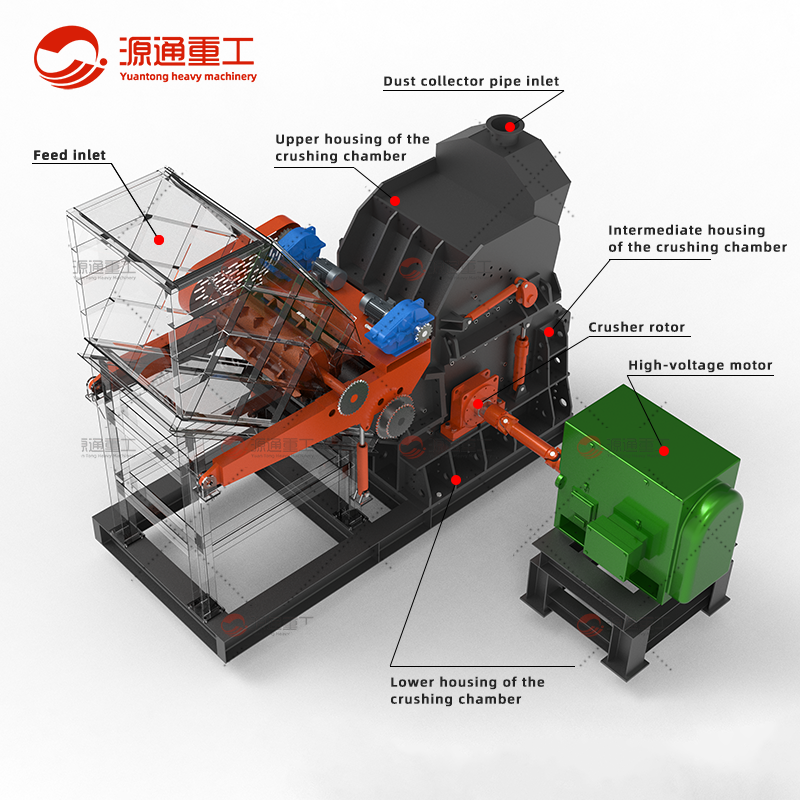
Unlike small shredders used for plastic, scrap cars require a Heavy-Duty Hammer Mill Shredder. The process isn't about "cutting"; it's about "impacting."
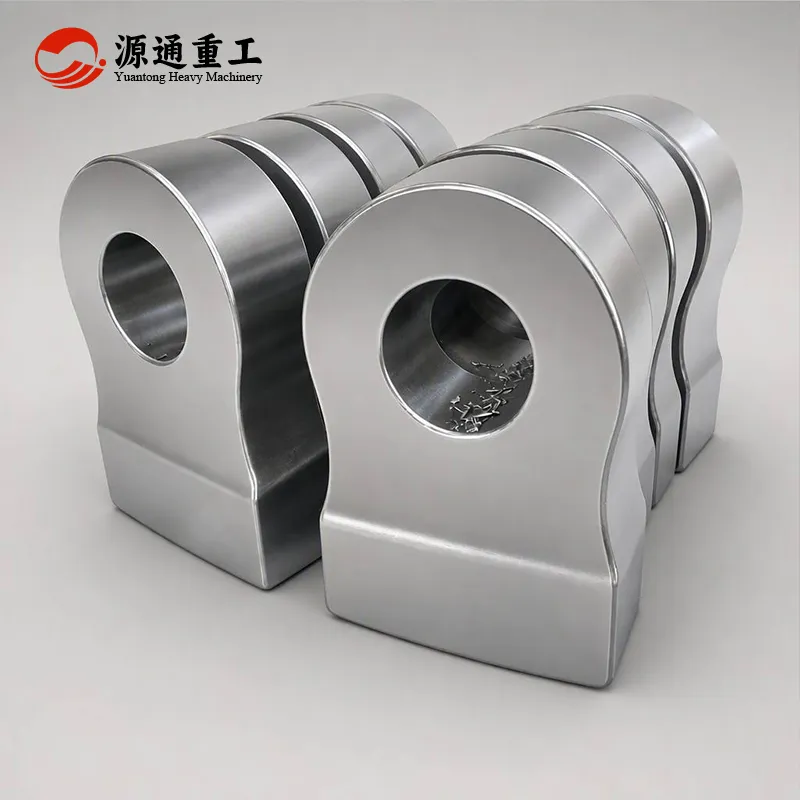
The car shell is fed into a large shredding chamber where a high-speed rotor, equipped with multi-ton manganese steel hammers, strikes the metal. This intense impact does three things:
Fragmentation:It breaks the car shell into fist-sized pieces (usually 50mm–150mm).
Paint Stripping:The friction and impact remove the paint and rust from the surface of the steel.
Densification: It curls the scrap into "popcorn" shapes, which increases the bulk density—a critical factor for furnace efficiency and lower shipping costs.
3. Applicable Materials and Pre-processing Constraints
While our production lines are "heavy-duty," they are not indestructible.
Ideal Materials: Stripped car shells, light steel scrap, flattened car bodies, household appliances (White Goods).
Pre-processing Requirements:Before the car shell enters the line, you must remove the engine block (if it’s a heavy cast iron V8), the lead-acid battery, and all fluids (oil/gas). Large axles and heavy transmissions can cause "unbreakable" events that trigger the safety pins or hydraulic clutch, leading to unnecessary downtime.
4. The Complete Production Line Structure
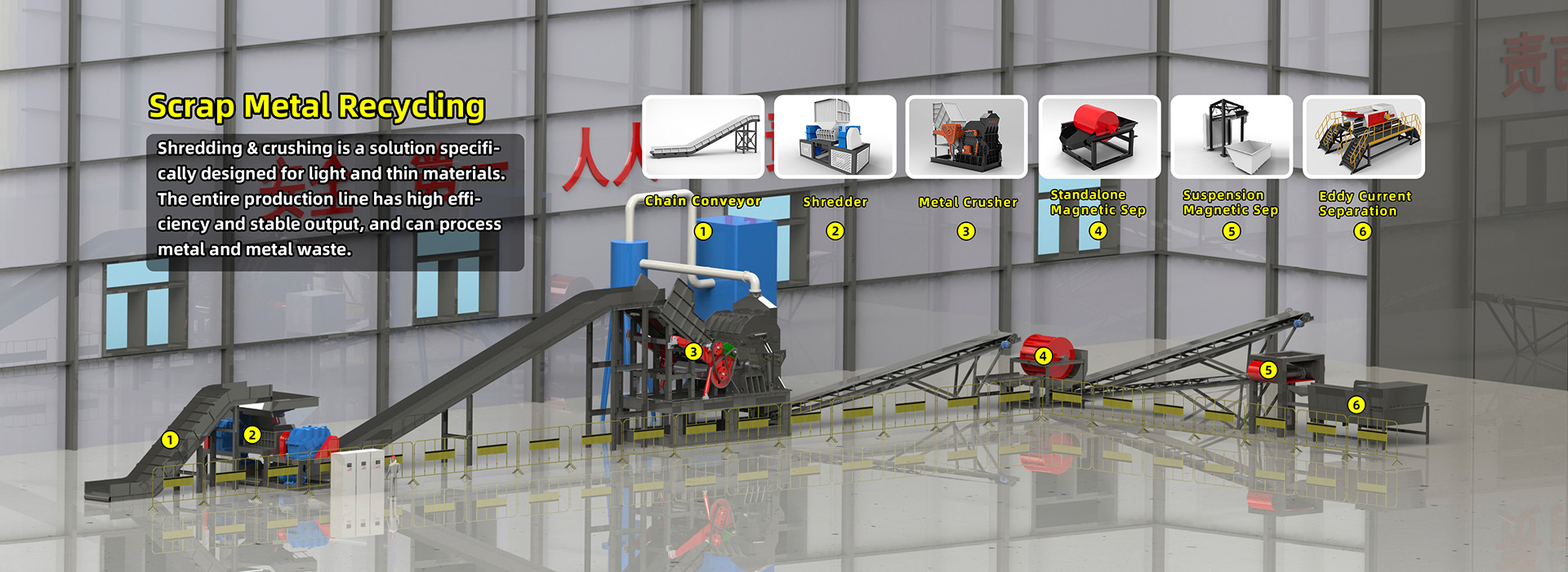
A professional scrap car recycling plant is a multi-stage system. Here is the standard engineering layout:
A. Feeding System
We use a Chain Plate Conveyor or a Heavy-Duty Vibratory Feeder. The logic here is controlled flow. If you dump three car bodies at once, you will choke the rotor. A controlled incline allows the shredder to maintain a constant RPM for optimal fragmentation.
B. The Main Shredder (The Engine)
This is where the magic happens. A heavy-duty rotor is supported by massive spherical roller bearings. The chamber is lined with NM500 wear-resistant plates. We design these with a hydraulic opening mechanism, allowing you to change hammers or clear a jam in 30 minutes instead of a full day.
C. Vibratory Discharge and Magnetic Separation
After shredding, the material passes over a vibratory screen to level the flow. It then meets a Double-Stage Magnetic Drum.
Expert Insight:One magnet is never enough. The first drum pulls the bulk steel; the second drum catches the smaller fragments that were buried under non-magnetic debris.
D. Non-Ferrous Sorting (Eddy Current Separator)
The remaining material contains aluminum, copper, and stainless steel. An Eddy Current Separator (ECS) uses a high-speed magnetic rotor to create repulsive forces, "jumping" the aluminum and copper away from the waste (fluff). This stage is often where the profit for the entire operation is hidden.
E. Dust Collection and "Fluff" Management
Recycling generates massive amounts of light waste (plastics, foam, dust). A multi-stage cyclone and baghouse filter system is mandatory to meet environmental regulations and keep the site clean.
5. Engineering Logic: Why High Torque Matters
A common mistake in B2B procurement is buying a shredder based on "Horsepower" alone. In car recycling, Moment of Inertia and Torque are king.
We design our rotors with high mass so that the kinetic energy stored in the spinning drum does the work, not just the motor's raw electricity. This reduces energy consumption by up to 20% compared to lighter, high-speed designs that bog down under load.
6. Case Study: ROI in Scrap Steel Grading
We recently installed a 20-ton-per-hour line for a client in Southeast Asia. Before the line, they were selling "Bundled Scrap" (pressed car cubes). By switching to "Shredded Scrap," they achieved:
Higher Sale Price: Shredded steel is worth $30-$50 more per ton than bundled scrap because it’s cleaner and melts faster in EAF (Electric Arc Furnaces).
Impurity Removal:They recovered 1.2 tons of aluminum per day that was previously being sold as "steel" in the bundles.
Total Payback:The equipment cost was recovered in 14 months of operation.
7. Maintenance: The "Battlefield" Reality
If an engineer tells you their shredder is "maintenance-free," they are lying.
Hammer Management:Hammers are the primary consumable. We recommend a "Hard-Facing" welding strategy to extend life by 30% before replacement.
Greasing: Automatic lubrication for the main bearings is not a luxury; it’s a life-saver.
Grid Plates:The bottom screens (grids) determine your final product size. Inspect them weekly for cracks. A broken grid allows oversized pieces to pass, which will be rejected by the steel mill.
8. Conclusion: Planning Your Scrap Car Recycling Project
Recycling scrap cars is a complex engineering task that requires a balance of power, sorting precision, and durability. Don't buy a machine; buy a process. A well-designed line ensures that your "waste" becomes a high-commodity product that steel mills compete to buy.
Get a Professional Layout Design
Are you planning to set up a scrap car recycling facility? Don't start with a price tag—start with a plan. Contact our engineering team today to receive a custom layout based on your site dimensions and target daily tonnage. We provide full technical documentation and ROI analysis to help you make an informed investment.
Leave a Message