
Industry Insights
Market trends, recycling technology and machine selection guides for scrap yard operators, written by the engineers who build the equipment. Good machines, built by Yuantong.
The Ultimate Guide to Waste Refrigerator Recycling: From Hazardous Waste to High-Purity Metal
In the world of e-waste, the refrigerator is one of the most complex "multi-material" challenges a recycler can face. Unlike a simple car shell or a bundle of steel wire, a refrigerator is a composite of high-quality steel, non-ferrous metals (copper and aluminum), mixed plastics, and hazardous components like refrigerants and polyurethane (PUR) insulation foam.
As an engineer specializing in metal recycling machines for waste refrigerator recycling, I’ve seen many facilities struggle with low purity or environmental non-compliance. Today, we will deconstruct the technological infrastructure required to turn a hazardous "white good" into a clean, high-value commodity.
1. The Engineering Challenge: A Composite Puzzle
A typical waste refrigerator consists of approximately 45% steel, 10% non-ferrous metals, 20% plastics, and 15% insulation foam. The goal of a professional recycling line is not just to "smash" the unit, but to liberate and separate these materials with surgical precision.
The two primary hurdles are:
Environmental Safety:Recovering harmful refrigerants (CFCs/HCFCs) or flammable blowing agents (Pentane) trapped in the foam.
Material Purity:Stripping the PUR foam completely from the metal shells to ensure the steel can be sold at a premium.
2. The Working Principle: A Four-Stage Process
To achieve high purity, we utilize a sequential mechanical process that emphasizes low-speed liberation and high-speed densification.
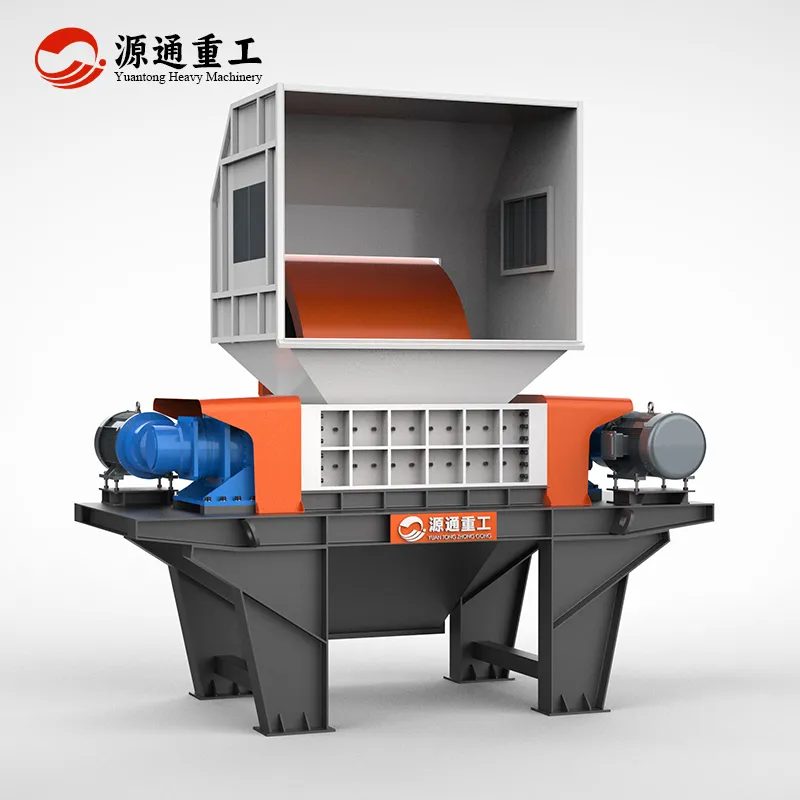
Stage 1: Primary Shredding (Low-Speed, High-Torque)
The refrigerator is fed into a Double-Shaft Shredder.
Engineer’s Logic:We use low RPM (10-15 rotations per minute) to minimize heat and prevent sparks. At this stage, the unit is reduced to large fragments (100mm-200mm), and the hazardous refrigerants are safely extracted using a vacuum suction system before the foam is crushed.
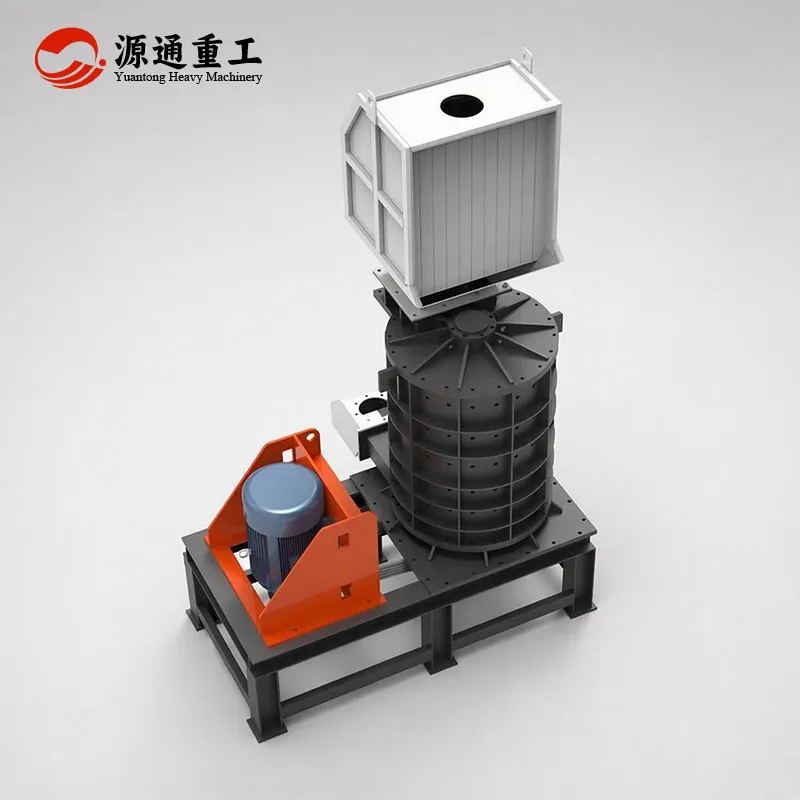
Stage 2: Secondary Crushing & Foam Liberation
The fragments enter a Vertical Hammer Mill or a specialized High-Speed Granulator. This stage is where the "heavy lifting" happens. The intense impact shatters the bond between the steel shell and the PUR foam. The foam is reduced to a light powder, while the metal is balled up into dense nuggets.
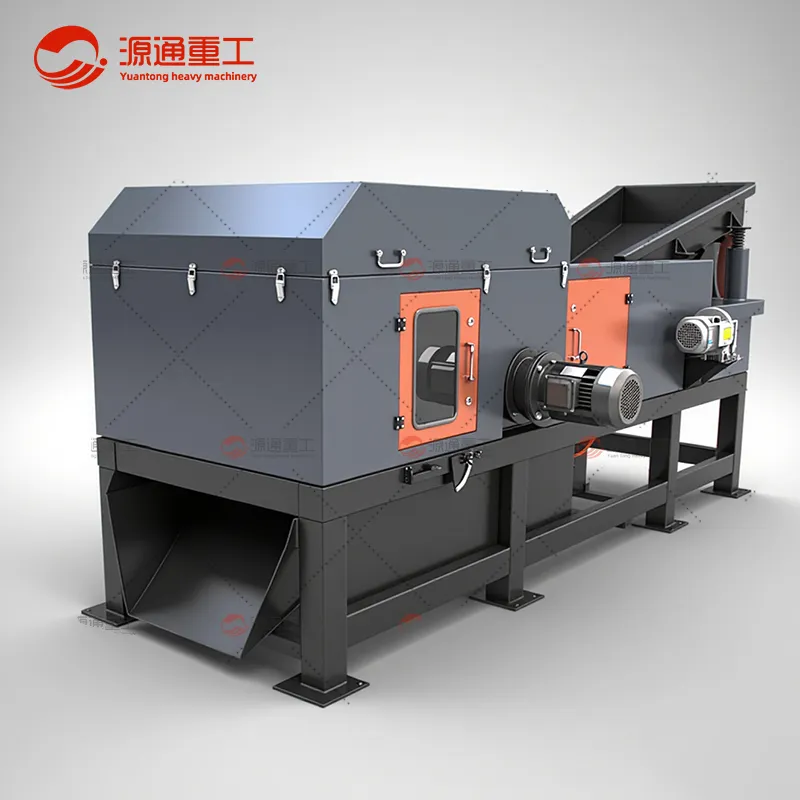
Stage 3: Multi-Stage Separation
We use the physical properties of the materials to sort them:Magnetic Separation: Pulling out the ferrous steel.Eddy Current Separator: Jumping out the copper and aluminum.Air Classification (Zig-Zag Sorter): Removing the light PUR foam and dust.
Stage 4: Foam Management (Briquetting)
The light foam is collected via a cyclone and compressed into high-density briquettes. This reduces the volume for easier transport and prevents the fine, flammable dust from creating a hazard in the facility.
3. Core Components of the Infrastructure
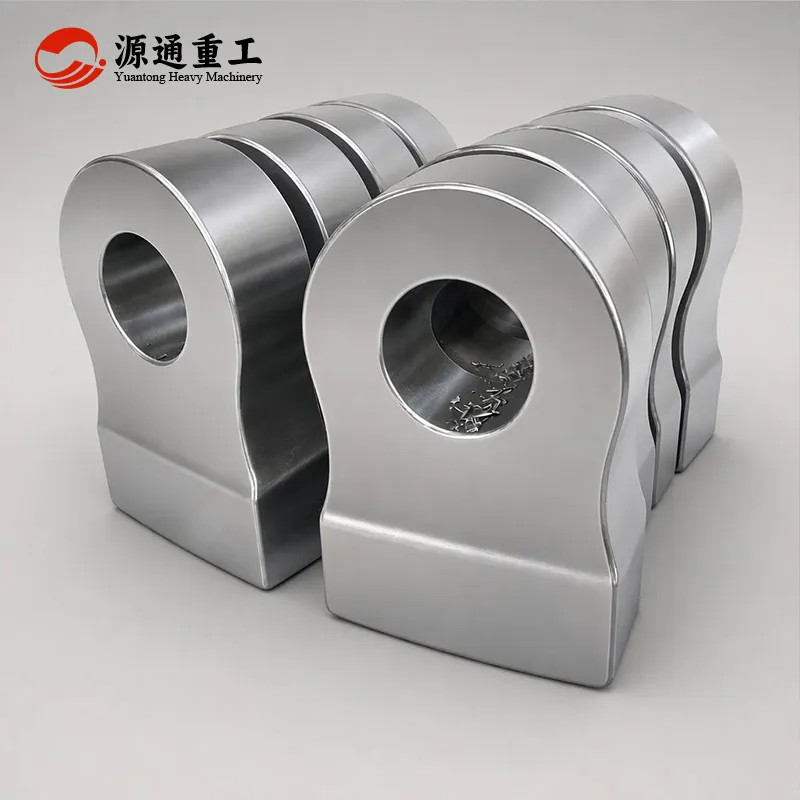
Rotor Design:The hammers in the second stage must be made of high-manganese steel to handle the constant impact.
Gas Monitoring System:Essential for safety. We integrate sensors to detect Pentane concentrations. If levels rise, the system automatically injects nitrogen to inert the chamber and prevent explosions.
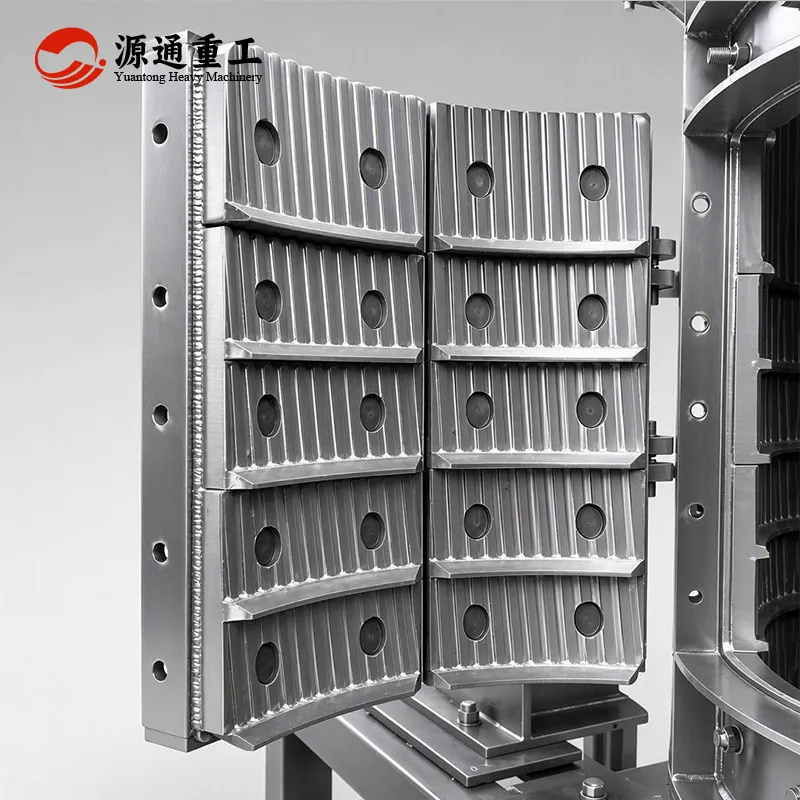
NM500 Liners: The internal chamber is lined with wear-resistant plates to handle the abrasive nature of mixed e-waste.
4. Why Technical Precision Matters: Purity vs. Profit
In a B2B context, the profit is in the purity. If your steel scrap still has 5% foam residue, a steel mill will either reject it or apply a heavy discount.
By using a Vertical-Shaft Shredder as a second-stage "polisher," we increase the bulk density of the metal to over 1.2 tons/m³. Clean, dense metal nuggets result in faster melting times and lower burn loss for the end buyer, allowing you to negotiate a much higher sale price.
5. Maintenance: The Engineer's Routine
1.Seal Integrity:Because gas recovery is critical, the entire shredding line must be kept under negative pressure. Weekly inspections of the rubber seals and vacuum ductwork are mandatory.
2.Blade & Hammer Wear:Dull hammers don't peel the foam; they just smear it. We recommend hard-facing the hammers every 500 working hours to maintain the "peeling" action.
3.Dust Extraction: Refrigerator recycling is a dusty business. Ensuring the baghouse filters are cleaned daily is vital for both worker health and fire prevention.
6. Conclusion: Engineering the Circular Economy
Waste refrigerator recycling is a highly technical field that requires a balance of mechanical power and environmental safety. As a source factory, we don't just provide a "crusher"; we provide a resource recovery infrastructure that turns a liability into a diversified revenue stream of steel, copper, aluminum, and plastics.
Ready to Upgrade Your E-Waste Line?
Building an efficient refrigerator recycling plant requires precise layout planning and technical foresight. If you are looking for a professional, high-purity solution, our engineering team can provide a custom technical proposal and a full ROI analysis. Contact our Engineering Team for a Technical Consultation
Online message