
News & Updates
How to Choose the Right Scrap Metal Shredder for Your Recycling Plant
For recycling plant owners and project procurement managers, investing in a metal shredder is not just about buying a machine; it is about securing a high-efficiency processing solution that directly impacts your bottom line. As global scrap metal prices fluctuate, the ability to process large volumes of waste iron, steel, and aluminum into high-density, high-purity scrap has become a competitive necessity.
What is a Scrap Metal Shredder and Why Does Your Business Need One?
A scrap metal shredder is a heavy duty machine designed to reduce large metal waste into smaller, manageable pieces for further recycling or smelting. Unlike traditional crushers, industrial shredders use high torque and low speed to tear through complex materials.
For a recycling plant, integrating a heavy duty scrap metal shredder means achieving significant volume reduction. This leads to lower transportation costs and higher market value for the processed scrap, as steel mills prefer clean, uniform material for their furnaces.
Key Factors to Evaluate in a Heavy Duty Scrap Metal Shredder
When sourcing equipment for a metal scrap processing line, technical specifications must align with your input material and target output.
Double Shaft vs. Single Shaft: Which One Suits Your Processing Line?
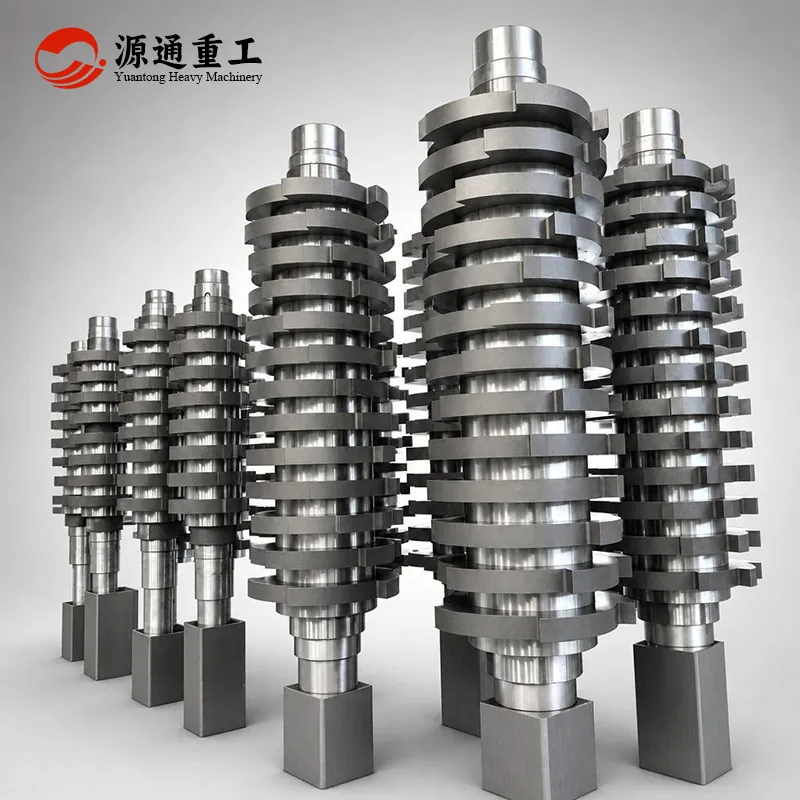
A double shaft scrap metal shredder is the industry standard for recycling operations. The two counter-rotating shafts equipped with hooked blades provide superior "bite" and shearing force. While single shaft shredders are excellent for plastics or light non-ferrous metals, the double-shaft design is essential for handling rigid waste iron and structural steel.
Torque, Blade Material, and High Output Capabilities
To ensure a high output metal shredder for waste iron steel aluminum, pay close attention to the drive system. High-quality shredders utilize planetary gear reducers to convert motor power into massive torque.
Blades: Look for blades forged from high-alloy steel (like H13 or D2) with vacuum heat treatment. This ensures durability when processing abrasive materials.
Output: Procurement managers should demand throughput data specific to their material—for instance, "5 tons per hour for light scrap steel."
Industrial Waste Metal Shredders for Specific Applications
Different recycling streams require specialized configurations. A "one size fits all" approach often leads to premature blade wear or motor failure.
Processing Car Shells and Large Steel Components
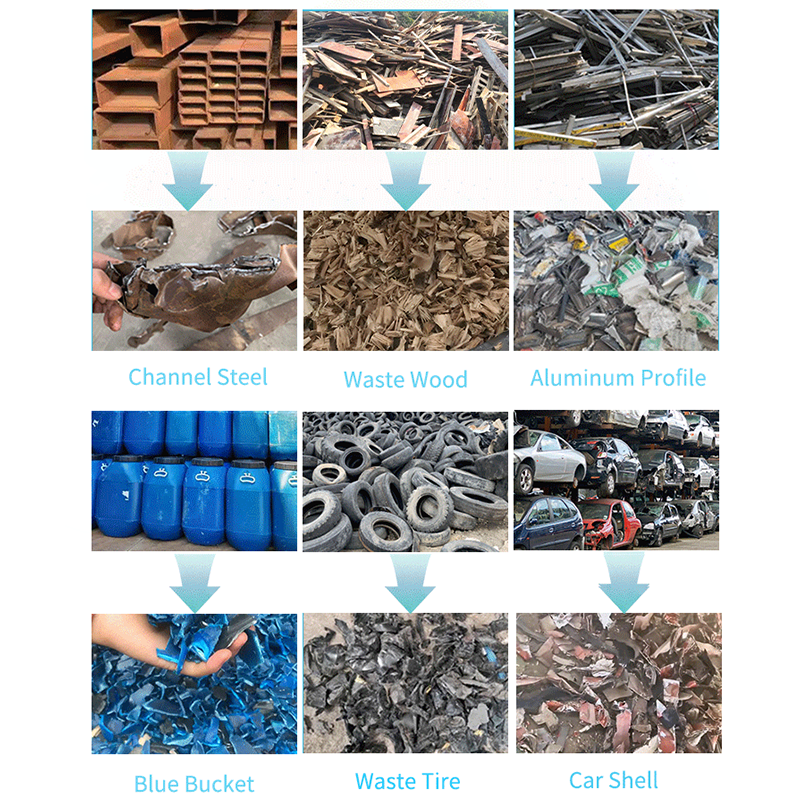
For a car shell & paint bucket recycling business, the shredder must handle "bulky" waste. A large capacity metal shredder with a wider feeding hopper and reinforced chamber is required to prevent bridge formation. These machines are engineered to flatten and tear vehicle bodies into palm-sized pieces in seconds.
Paint Bucket and Light Aluminum Recycling Solutions
Processing paint buckets or aluminum siding requires precision. Industrial waste metal shredders equipped with specialized cleaning combs prevent material from wrapping around the shafts, ensuring continuous operation and preventing downtime in your scrap steel re-processing business.
Maximizing ROI in Scrap Steel Re-processing Business
The true cost of a shredder is not the purchase price, but the cost per ton processed. To maximize ROI, prioritize:
Energy Efficiency: Modern hydraulic or frequency-controlled motors reduce electricity consumption during idle periods.
Maintenance Access: Quick-change blade systems and easy-access chambers reduce labor costs during routine inspections.
Automation: Integrated PLC systems that automatically reverse the shafts when an unshreddable object is detected protect your investment from catastrophic damage.
FAQ:
Q: What is the most important factor in a heavy duty scrap metal shredder?
A: Torque and blade durability. For B2B applications, the shredder must be able to handle "tramp metal" (unshreddable items) without breaking the drive train. A robust protection system and high-alloy blades are critical.
Q: Can one shredder process iron, steel, and aluminum simultaneously? A: Yes, a double shaft scrap metal shredder can handle mixed scrap. However, for the highest purity and market value, we recommend sorting materials or adjusting blade thickness according to the predominant scrap type.
Q: How long do the blades last in a high output metal shredder?
A: Blade life depends on the material hardness and contamination level (e.g., sand or glass). Typically, high-quality alloy blades can process 1,000 to 3,000 tons of scrap steel before requiring sharpening or replacement.
Q: What is the typical lead time for a large capacity metal shredder?
A: For standard models, the lead time is usually 30-45 days. For custom metal scrap processing lines with integrated conveyors and magnetic separators, it may take 60-90 days.
Conclusion: Get a Custom Metal Shredding Solution for Your Project
Choosing the right metal shredder requires technical expertise and an understanding of your specific recycling goals. As a leading manufacturing factory, we specialize in engineering heavy duty scrap metal shredders that deliver high output and long-term reliability.Please contact us for more details and quotation.
Prev Post
Not Prev
Leave a Message