
Twin & Single Shaft Shredders
Twin shaft shredders tear mixed scrap, plastics, tires and bulky waste; single shaft machines deliver a screened output size; small units suit workshops and pilot lines. Blade discs are removable and can be re-sharpened. Spare blade sets ship with every order.
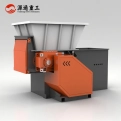
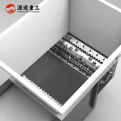
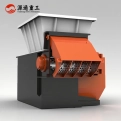
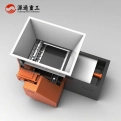
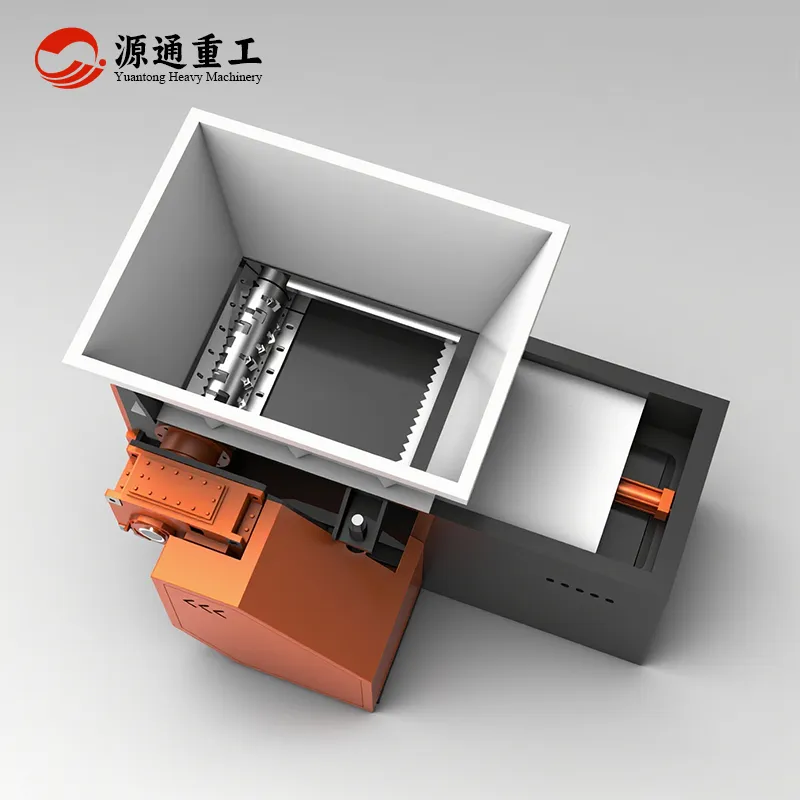
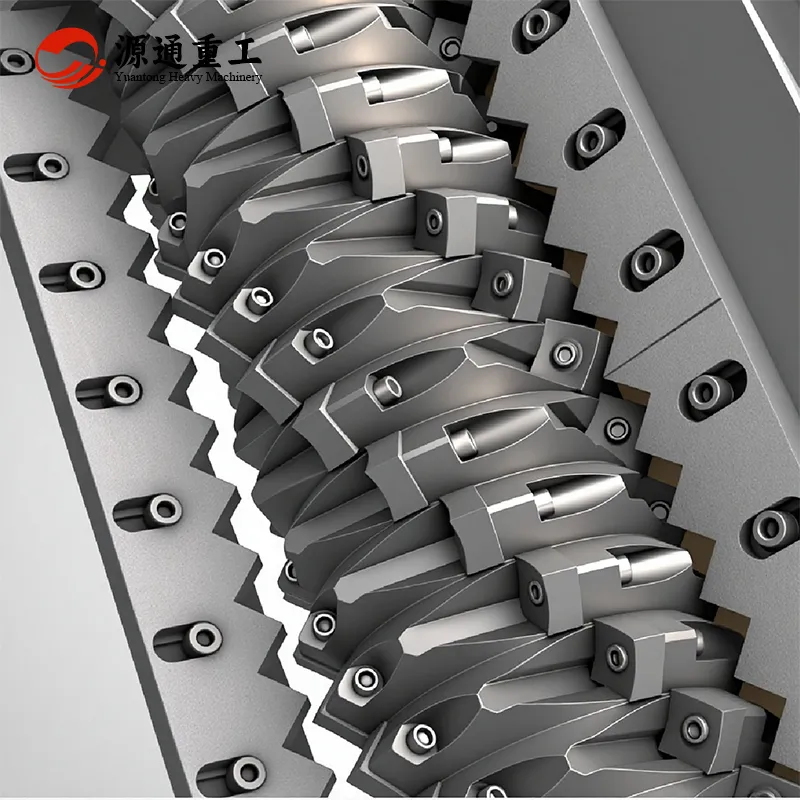
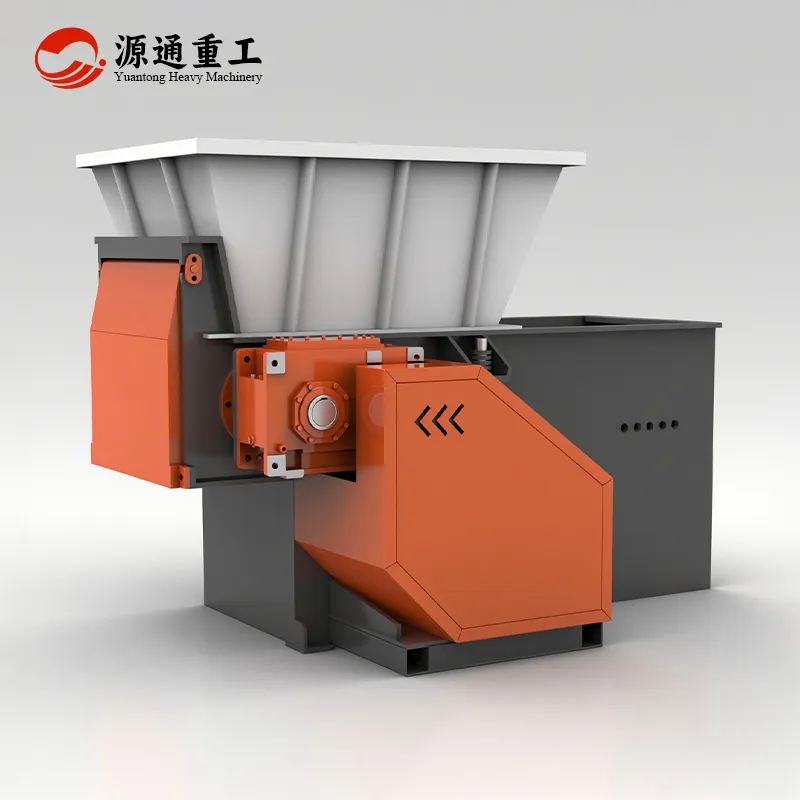
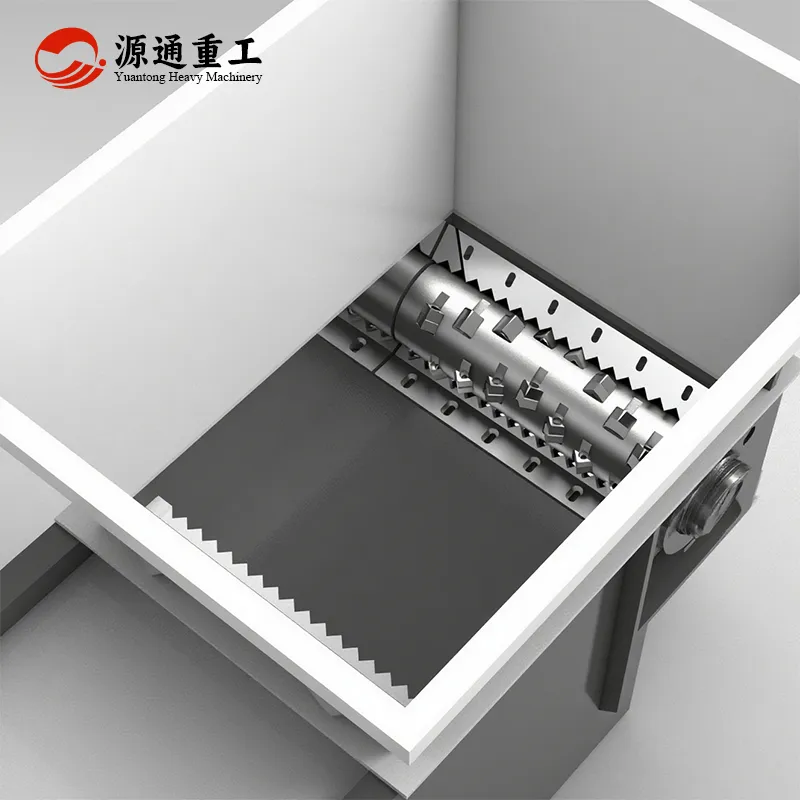
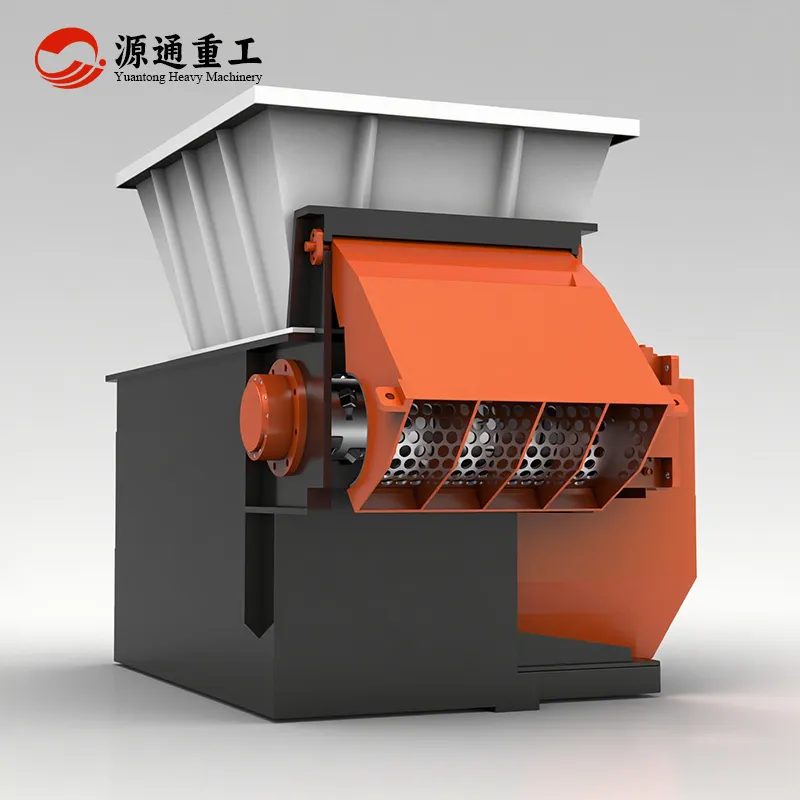
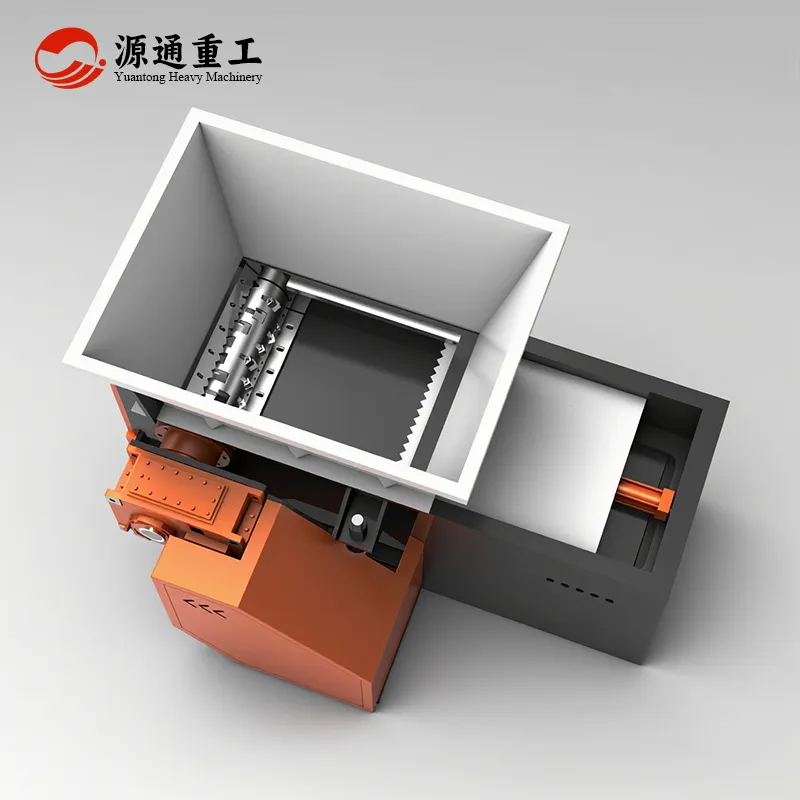
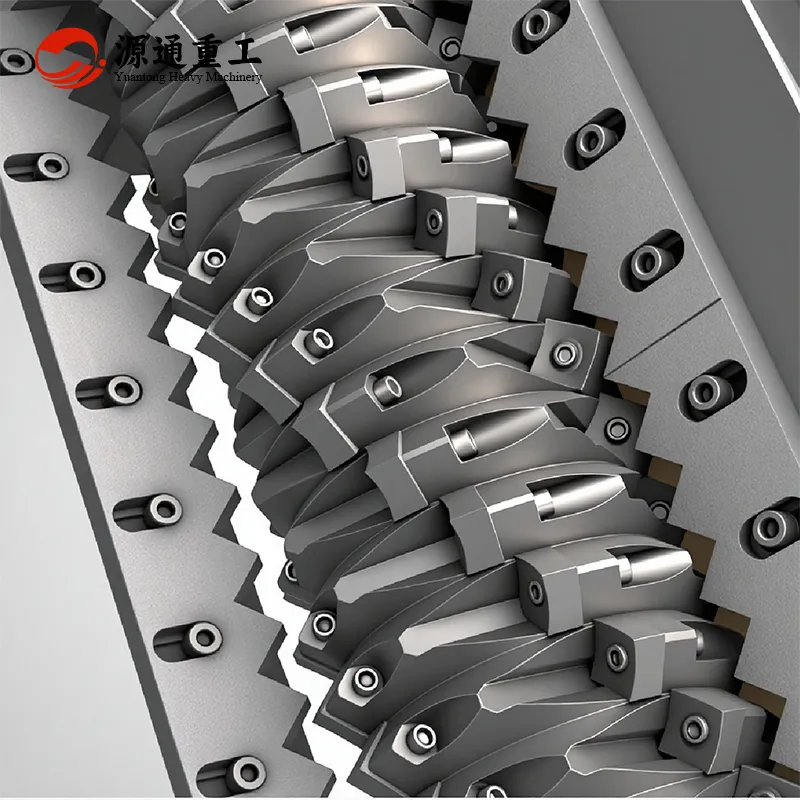
Single-shaft shredder
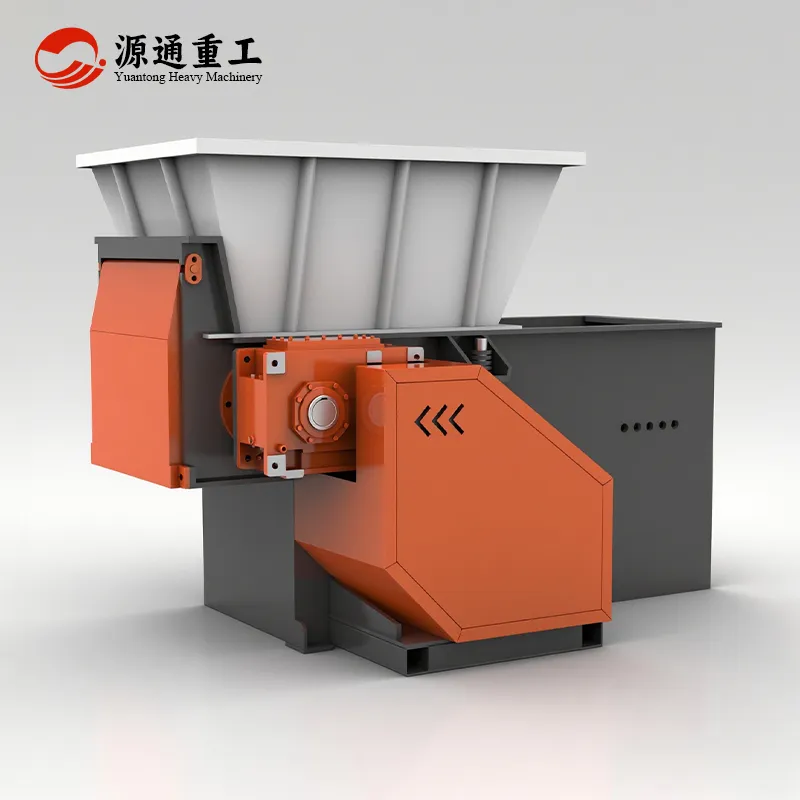
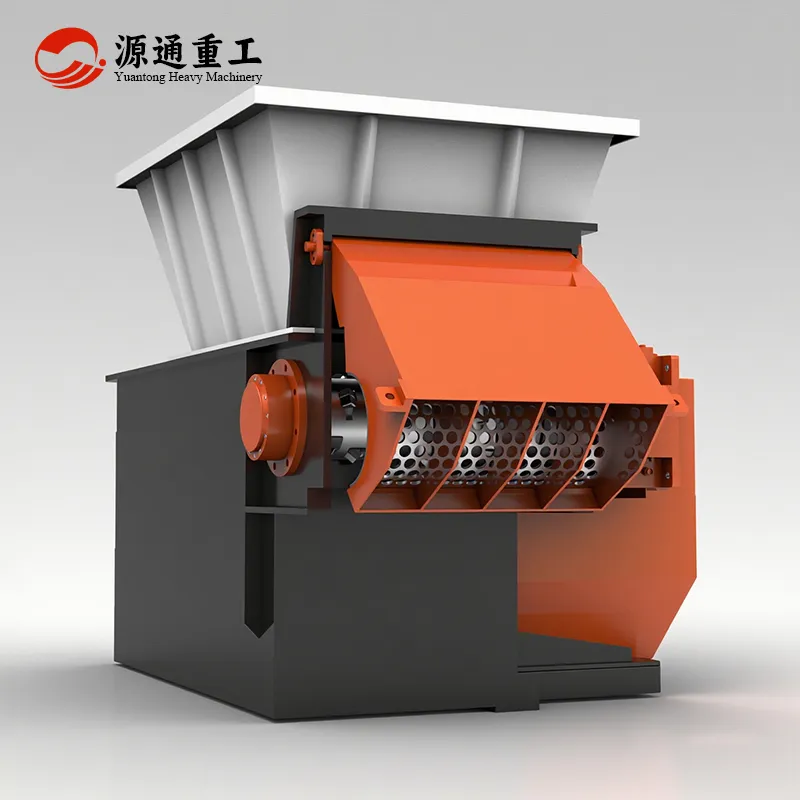
Single shaft shredder with hydraulic ram feed, screen-controlled output for plastic purgings, film, copper wire and e-waste. 22-160 kW, reversible kni...
Model:
600 | 800 | 1000 | 1200 | 1400 | 1600
Power:
22kw-160kw
Capacity:
0.2-1TPH
Applicationматериал:
Aluminum | Copper | Plastic | Wood | Clothing | MSW | Electronic waste | Copper
Why Buyers Choose This Machine
Buyers choose a single shaft shredder when incoming material is too large for the next machine: granulator inlets typically top out near 150 mm, while purgings, pipe offcuts and film bales arrive at 400 mm and up. The single shaft shredder sits at the start of the line and reduces that feed to a controlled size below the screen opening — with a 50 mm screen, output stays under 50 mm — so the granulator or washing line can take it. Two numbers matter when specifying: the largest feed piece it accepts, and the screen output size.
Working Principle
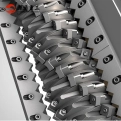
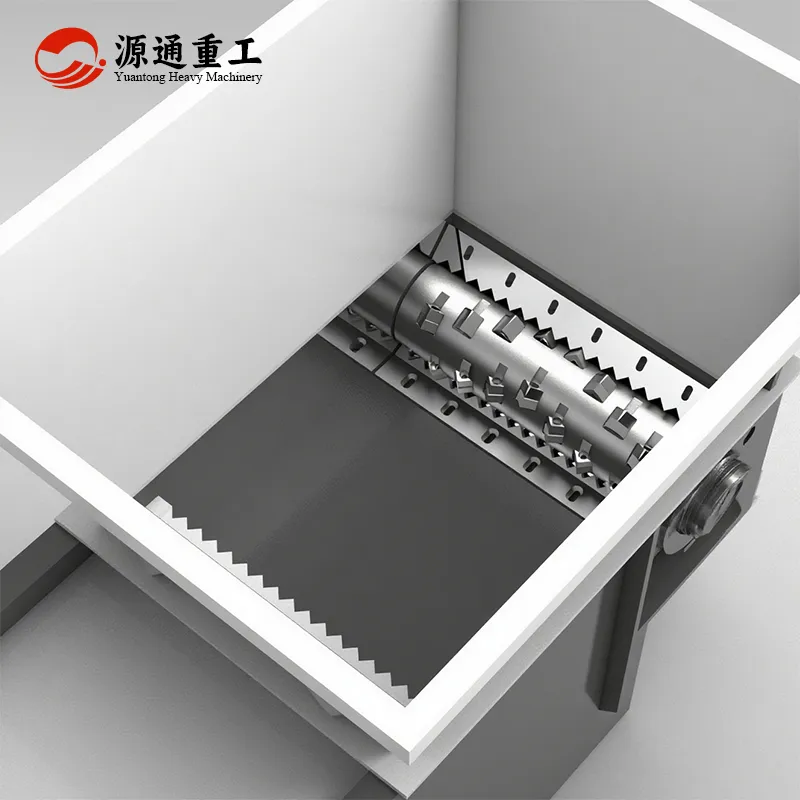
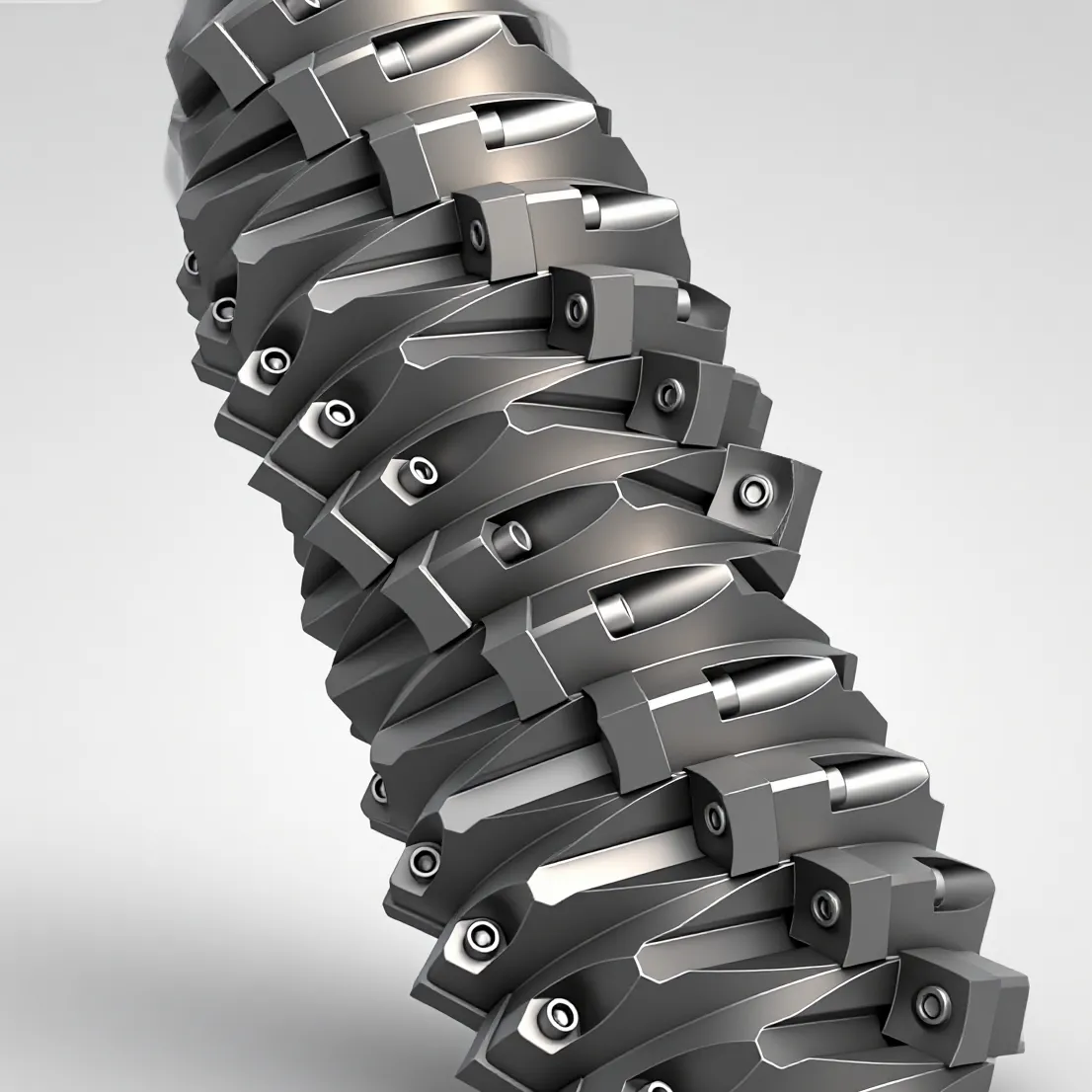
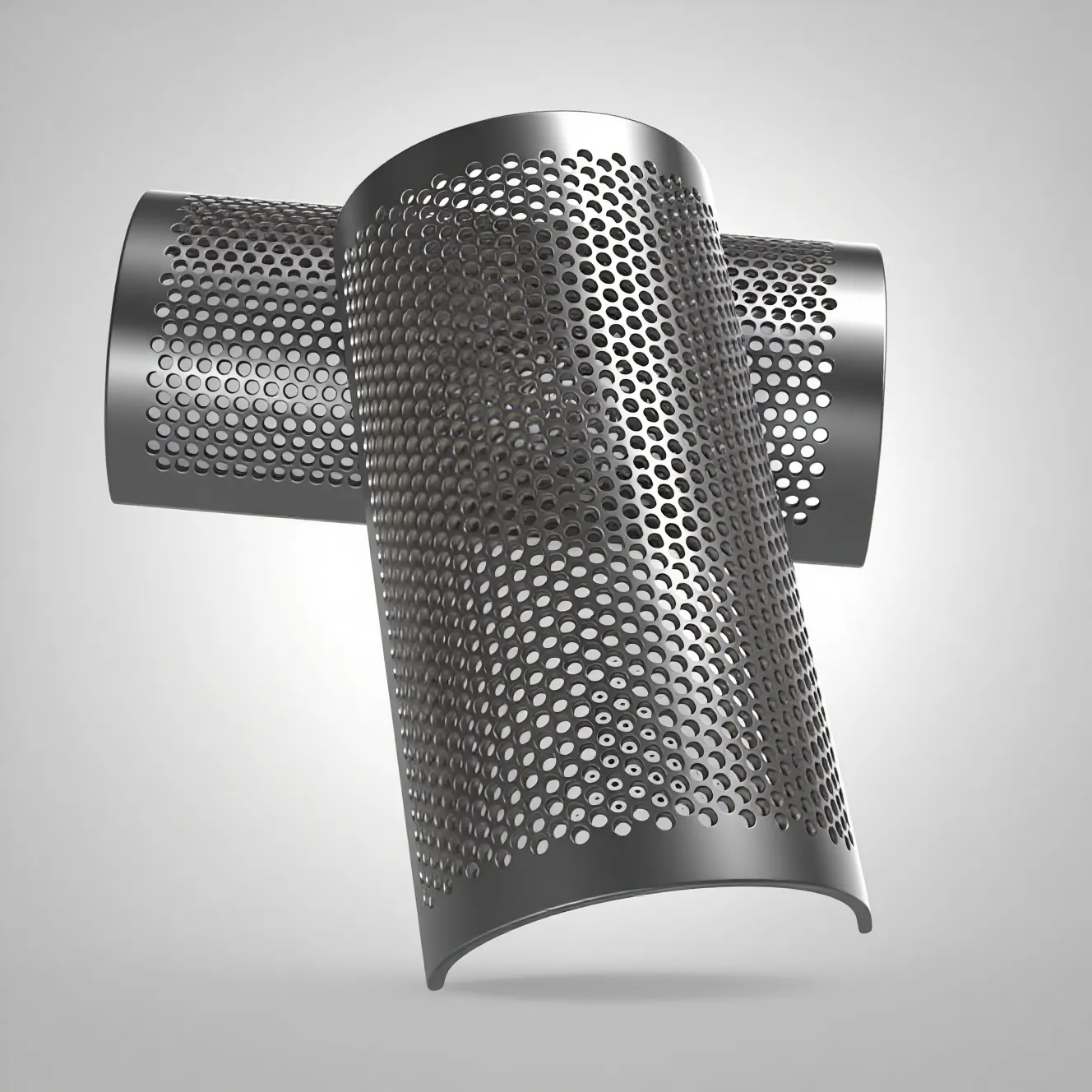
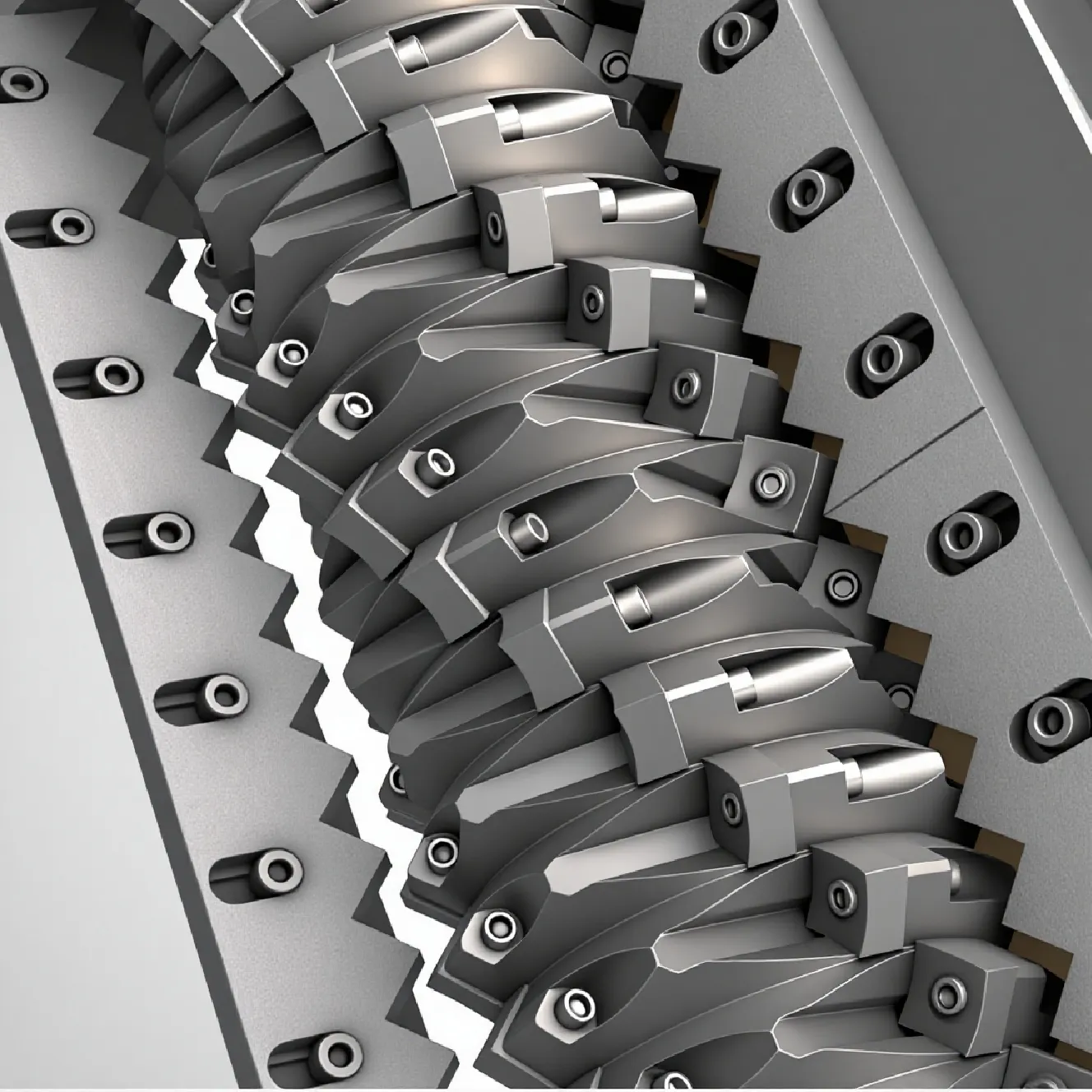
One rotor, one bed knife, one hydraulic ram, one screen. The ram presses material against the rotor; staggered knives shear it against the bed knife; pieces under the screen hole fall through, and the rest stay in the cutting zone until cut down. The rotor turns at 60–110 rpm. Cutting on a single shaft shredder is shear, not impact — slow rotor, high torque, fairly even particle size, modest dust and noise.
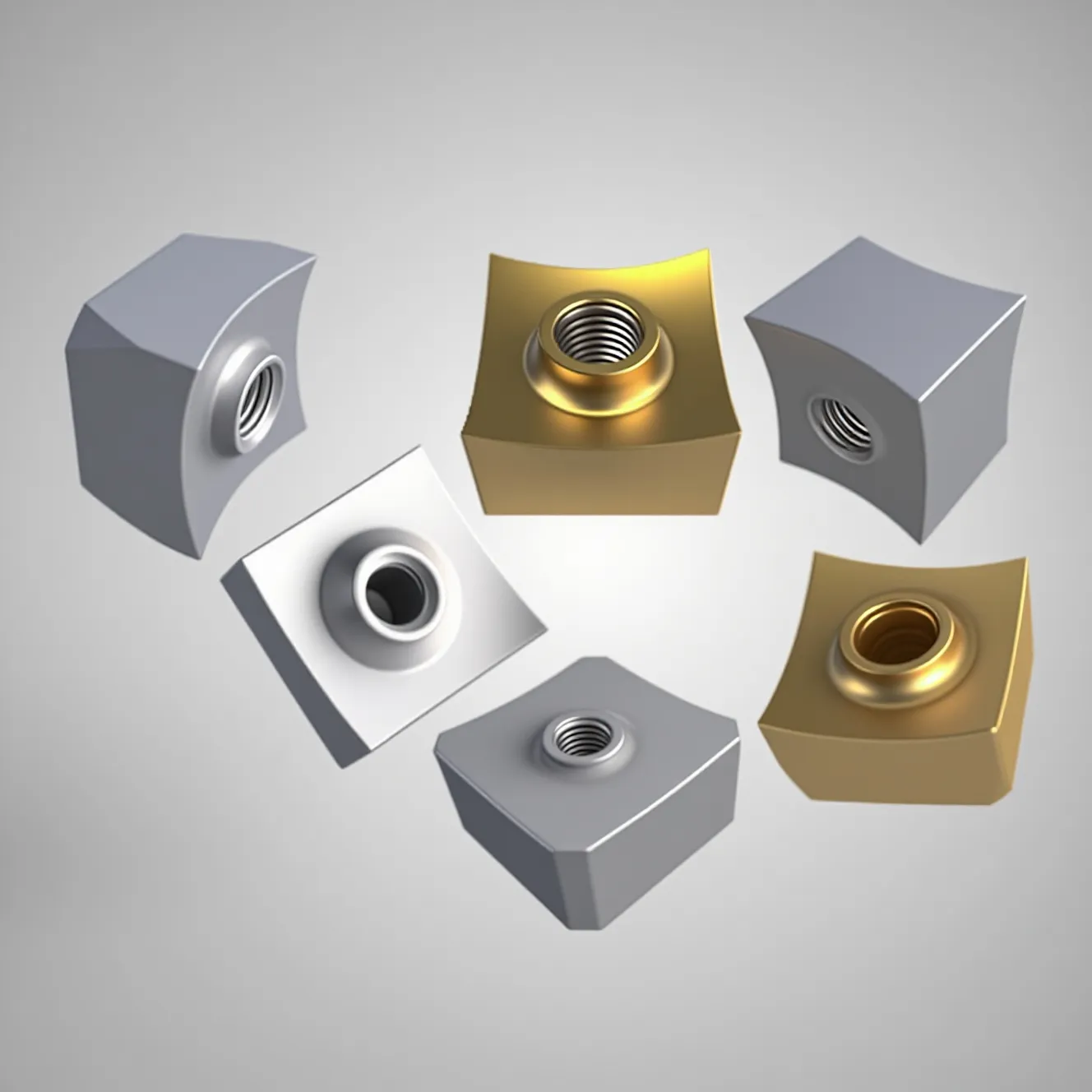
What It Solves: Suitable and Not Suitable Materials
Suitable: the single shaft shredder handles plastic purgings and sprues, film and bags, plastic pipes and profiles, textiles and clothing, copper wire and stripped cable, lithium batteries (with inert-gas protection), e-waste and appliance housings — in general, soft to medium-hard waste without heavy steel sections.
Not suitable: structural steel, rebar and large castings break knives and must be pre-sorted; sealed vessels (tanks, gas cylinders) must be removed — a safety rule; items larger than the hopper need pre-cutting; very tough large pieces may need a twin-shaft shredder in front. Wood is not a typical application for this machine — nails and sand in pallet wood wear the knives fast, and a dedicated wood or twin-shaft machine fits that job better.
Technical Specifications
| Model | Power | Cylinder stroke | Shredding box size | Machine size | Machine weight | Rotary blade | Stationary blade | |
| YPS-600 | 22 | 600mm | 600*600mm | 2200*1400*1900mm | 2100kg | 30 | 2 | |
| YPS-800 | 45 | 800mm | 800*800mm | 2800*1700*1900mm | 3100kg | 42 | 2 | |
| YPS-1000 | 55 | 1000mm | 1000*1200mm | 3400*1800*2200mm | 5100kg | 51 | 2 | |
| YPS-1200 | 75 | 1200mm | 1200*1200mm | 3600*2000*2300mm | 6500kg | 66 | 2 | |
| YPS-1400 | 90 | 1400mm | 1400*1400mm | 4000*2550*2600mm | 7500kg | 72 | 2 | |
| YPS-1600 | 110 | 1600mm | 1600*1600mm | 4400*2800*2700mm | 10000kg | 84 | 2 | |
| For more information, please contact us: 8615736727558 hnytzgjx@163.com | ||||||||
FAQ Section
Frequently Asked Questions!
Find answers to frequently asked questions about our products, services, and policies—all your queries will be addressed here.

What is the throughput range of your single shaft shredders?
200kg to 1000kg, depending on model, screen and material. A finer screen or denser material reduces output; light bulky material increases it.
How do I choose between a single shaft and a twin shaft shredder?
Choose by the material you cannot change. Twin shaft for mixed, bulky, dirty feed and coarse reduction; single shaft for uniform material and a controlled, smaller size. (169)
What output size can a single shaft shredder achieve?
It is set by the screen fitted: 10-40. A finer screen means lower throughput, so for both high capacity and a fine output, plan a two-stage shred.
What materials is a single shaft shredder best suited for?
Reasonably uniform material where you need a controlled output: rigid plastics, film, woven bags, wood, paper, cables and pre-shredded metal scrap. Less suited to bulky mixed scrap.
What is the difference between a twin shaft and a single shaft shredder?
Twin shaft: two shafts, tolerates mixed bulky feed, coarse output. Single shaft: one rotor with a screen, giving smaller and more uniform output, but less tolerant of uncrushable items.