
Scrap Metal Crushers
Scrap metal crushers turn drums, aluminium profiles and sheet offcuts into dense chips that smelters accept and transport cheaper. Rotor speed and screen are configured to your target chip size before shipping. Wear parts are standard across the range.
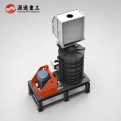
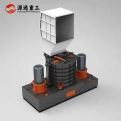
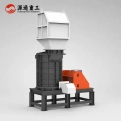
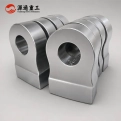
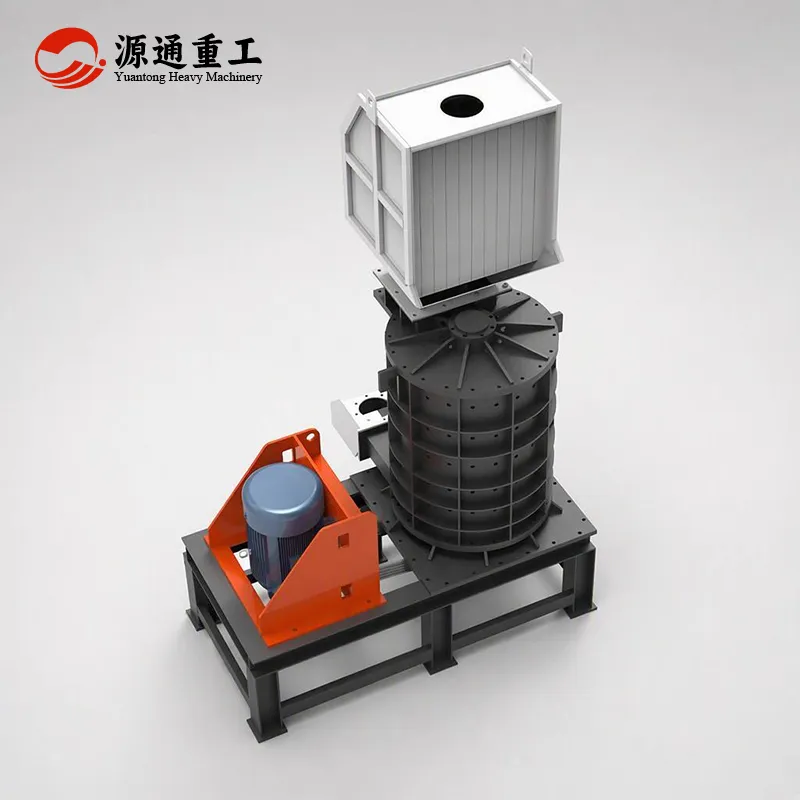
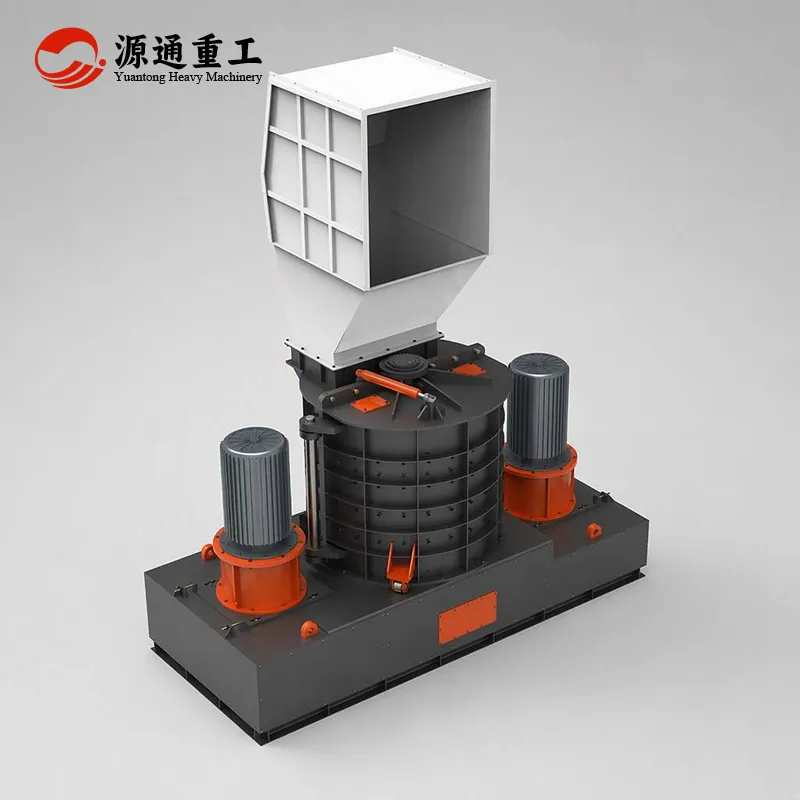
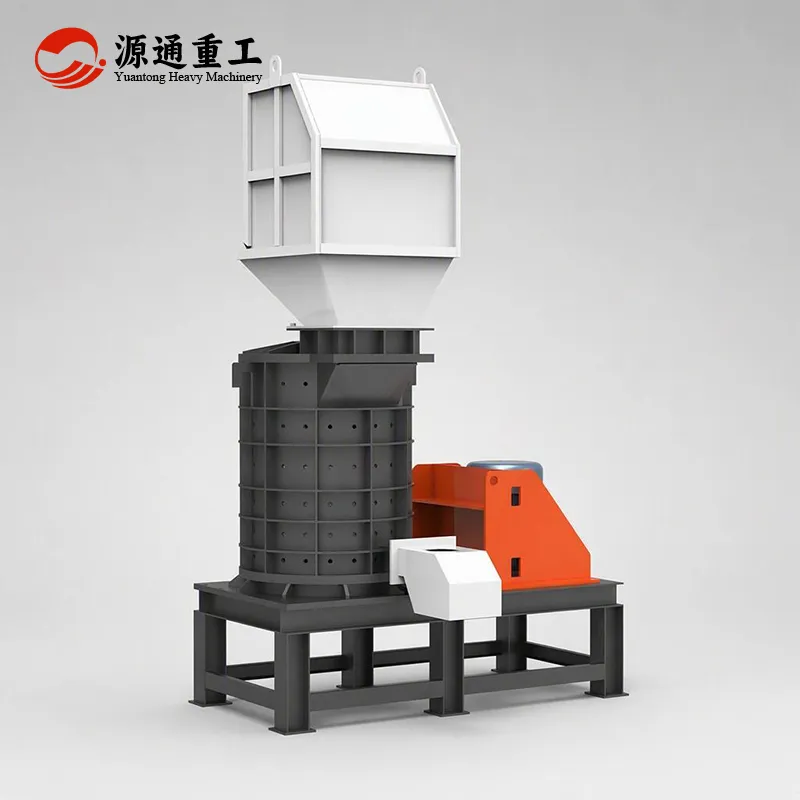
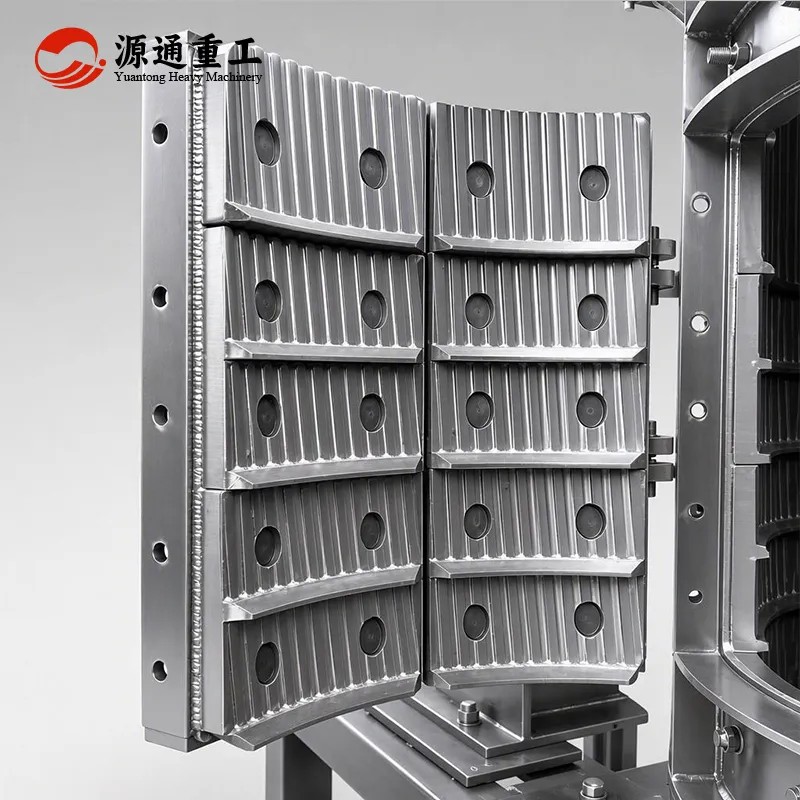
Vertical Scrap Metal Crusher
Vertical scrap metal crusher, gravity feed and no grate design. Crushes cans, tinplate, light steel and appliance shells without clogging. Factory dir...
Model:
600 | 800 | 1000 | 1250 | 1500
Power:
37-315kw
Capacity:
500-5000kg
Diameter of rotation:
600-1500mm
1. Product Introduction
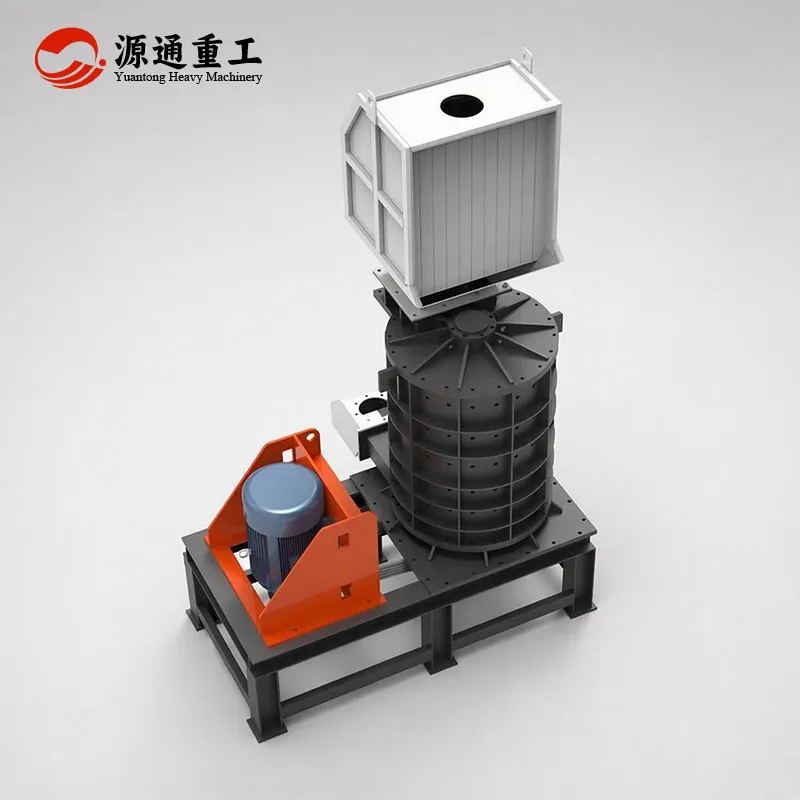
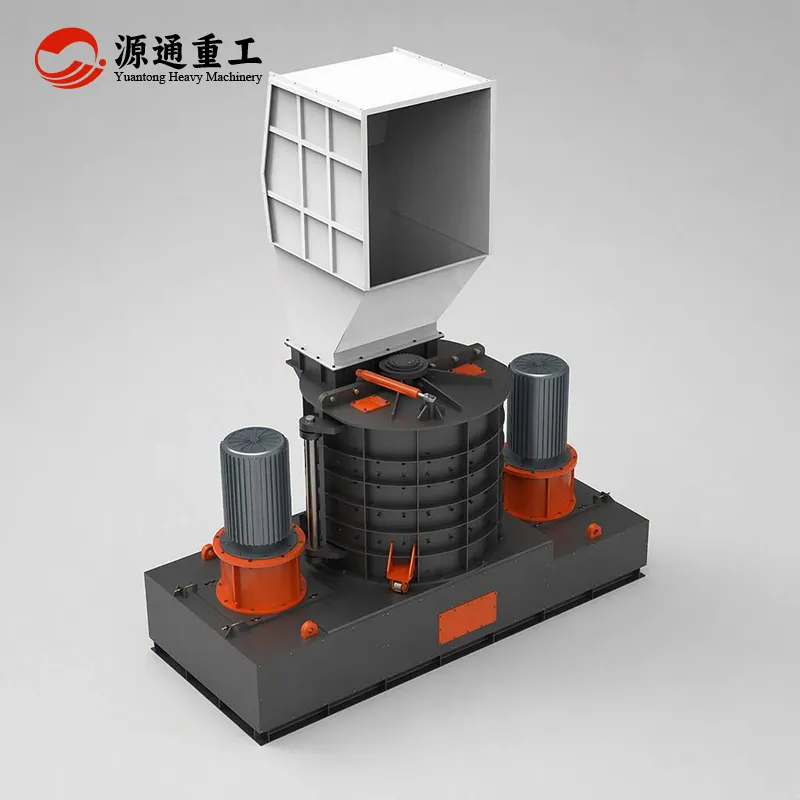
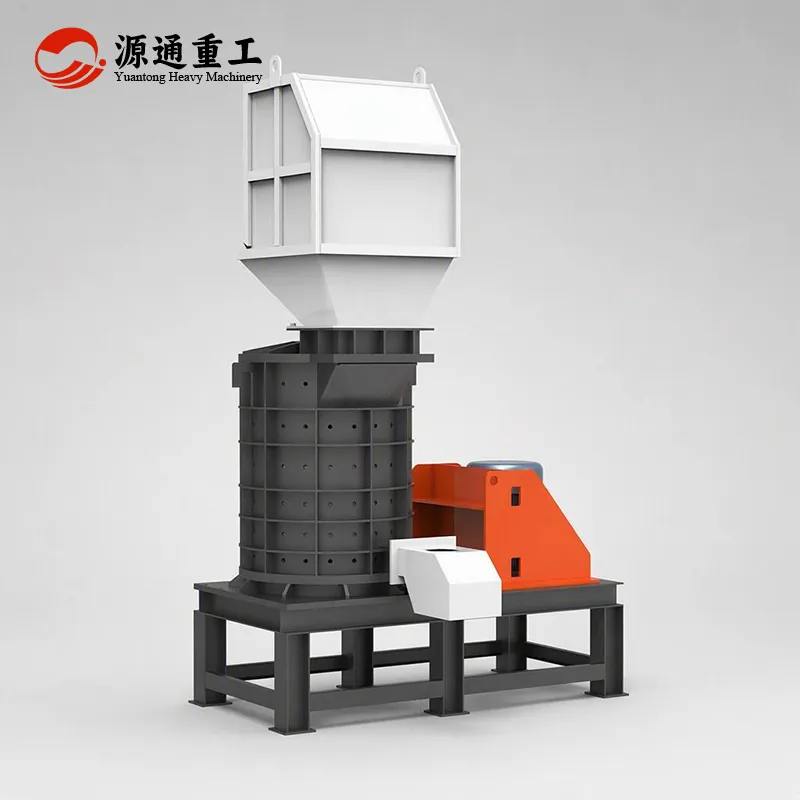
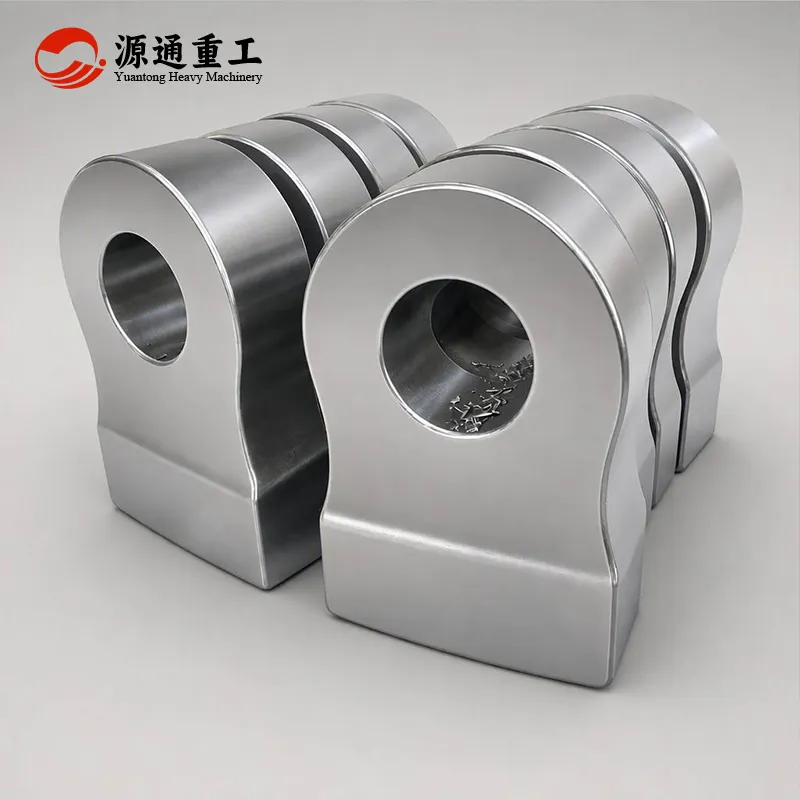
The vertical scrap metal crusher is a metal crushing device with a vertically arranged rotor. Material enters from the top feed opening, falls by gravity through the crushing chamber, and is repeatedly struck by high-speed rotating hammer heads. The crushed fragments are discharged directly from the bottom.
Its positioning is a coarse crushing and volume reduction equipment for light scrap metal. Common headaches at recycling stations and metal processing plants are materials like aluminum cans, tinplate cans, sheet iron, and appliance shells — these are bulky but lightweight, leaving trucks underfilled during transport, and manual processing is slow. After processing with a vertical scrap metal crusher, the bulk density of the crushed material increases noticeably, making it easier to load and transport, and easier for downstream processes such as magnetic separation and eddy current sorting to take over.
The rotational speed of the vertical scrap metal crusher is typically in the 900–1400 rpm range, relying on high-speed hammer impact for crushing. This is fundamentally different from the low-speed shearing of a shredder: a shredder "cuts and tears," while a crusher "smashes."
2. Structural Composition
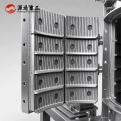
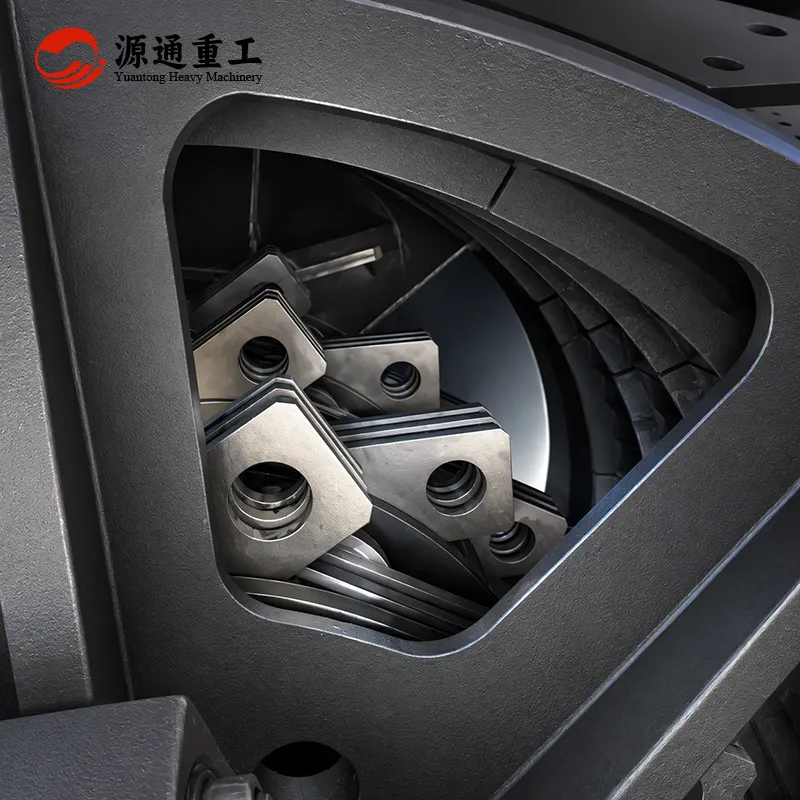
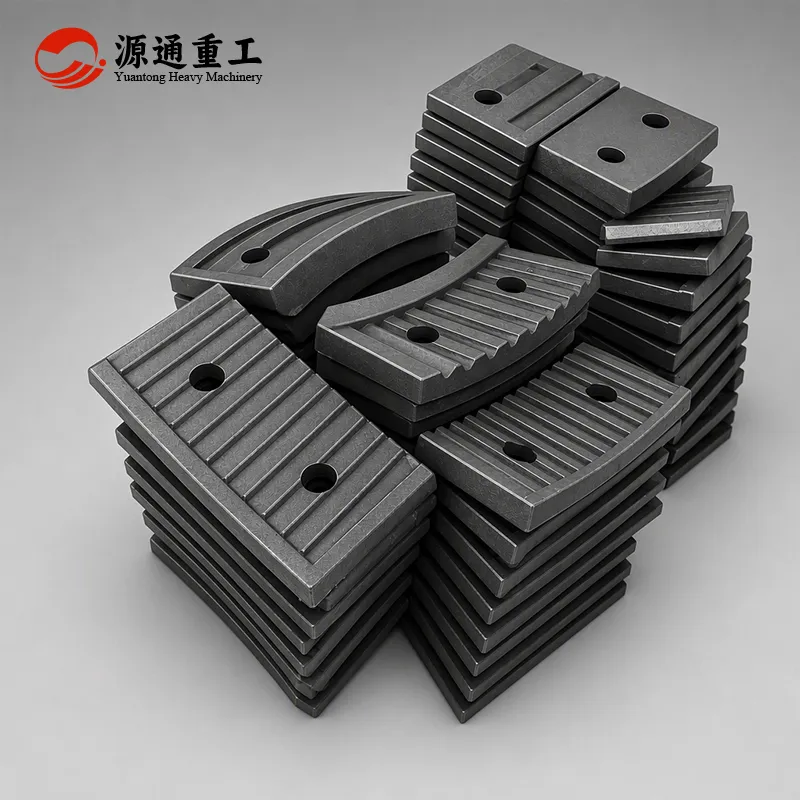
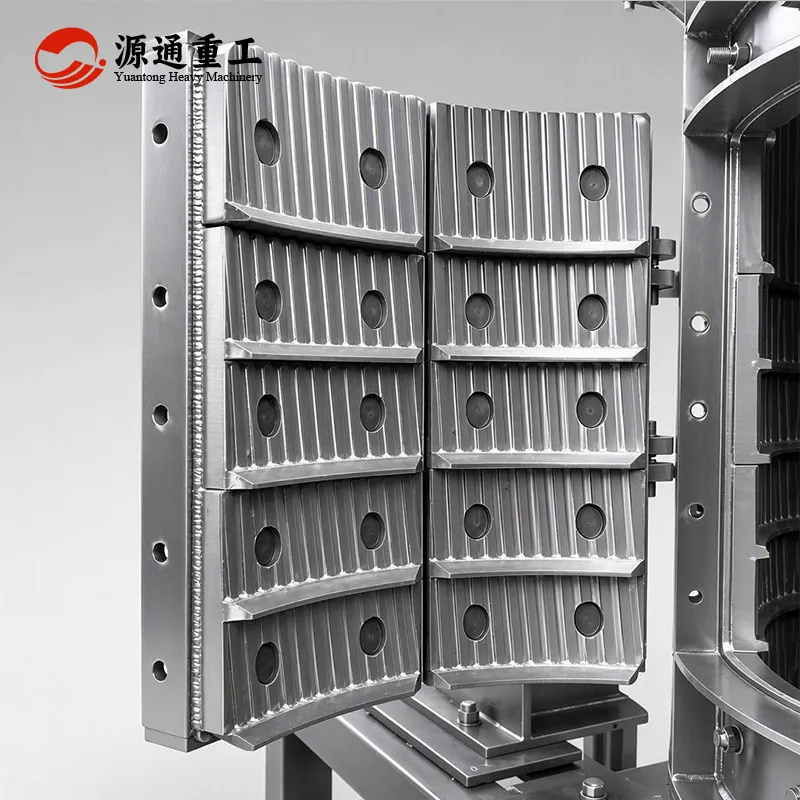
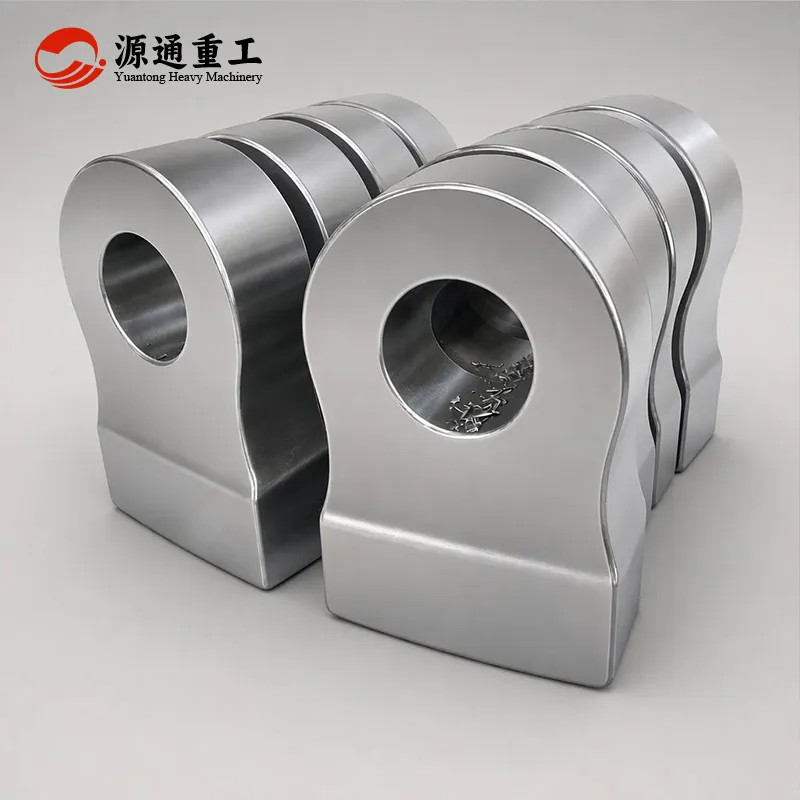
The equipment mainly consists of: feed opening and hopper, crushing chamber and impact liner, vertical rotor and hammer heads, bottom discharge outlet, frame and base, transmission system, and electrical control system.
3. Working Principle
Material is fed by a grab crane or conveyor into the top hopper and falls by gravity into the crushing chamber. The high-speed rotating hammer heads continuously strike the material along its falling path, throwing it against the chamber liners. After impacting the liners, the material bounces back into the hammer zone and is struck again. This repeats while the material continues moving downward by gravity, passing through the upper and lower hammer zones in sequence, completing multi-stage impact crushing. Fragments reduced to a certain size are discharged directly from the bottom outlet.
"The absence of grate bars" is the key to understanding this machine's on-site performance. Models with grate bars operate on a "pass only if qualified" principle: fragments must be smaller than the grate gap to discharge; material that doesn't meet the size requirement stays in the chamber for further crushing. This makes particle size controllable, but the grate bars themselves are prone to clogging with long, wet, or sticky materials. Once clogged, the machine must be stopped for cleaning — a high-frequency downtime point when processing mixed-composition recycled materials. The vertical design eliminates grate bars, becoming "crush and discharge as you go": material falls out immediately after crushing, with no clogging link, strong continuous operation capability, and high tolerance for long and mixed materials.
4. Main Features
Gravity self-feeding, no forced feeder required — Material enters from the top and falls by its own weight, structurally eliminating the feeding mechanism required in horizontal models. Higher tolerance for irregularly shaped and elongated light materials, and no jamming or pile-up at the feed opening — this is the main reason it's popular at recycling stations.
Small footprint, low foundation requirements — With the vertical rotor arrangement, the overall footprint is significantly smaller than horizontal models at the same capacity, offering flexible plant layout. The machine's center of gravity is vertically downward, making foundation treatment relatively simple — a practical advantage when adding equipment to older plants.
Multi-stage crushing, coarse crushing in a single pass — Material passes through multiple hammer zones from top to bottom, completing multi-stage impact crushing by gravity alone, without the need for a recirculation system. A single machine can reduce large light materials to sizes convenient for transport and sorting.
No grate bars, no screens, no clogging — This is the most essential structural difference from horizontal models and the source of continuous operation capability, suitable for recycled materials with mixed composition and many long pieces. The corresponding limitation is: the discharge particle size range is relatively wide; if strict particle size is required, downstream screening or fine crushing must be added.
Overload protection and safety guards — The electrical control is equipped with current monitoring; abnormal load triggers an alarm or shutdown. A protective baffle is installed at the feed opening to prevent material from being thrown out at high speed. The inspection door is interlocked with the main machine — opening the door cuts power.
5. Application Fields
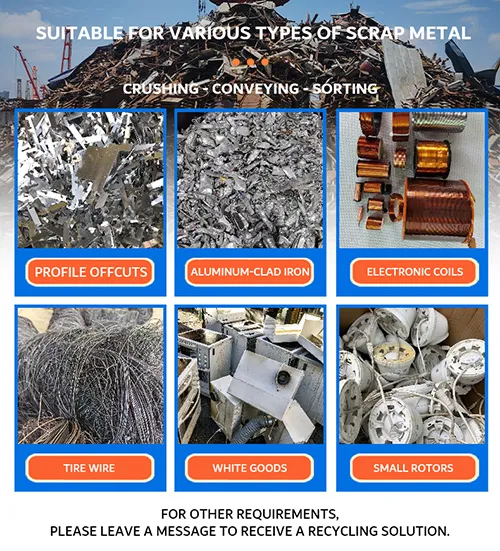
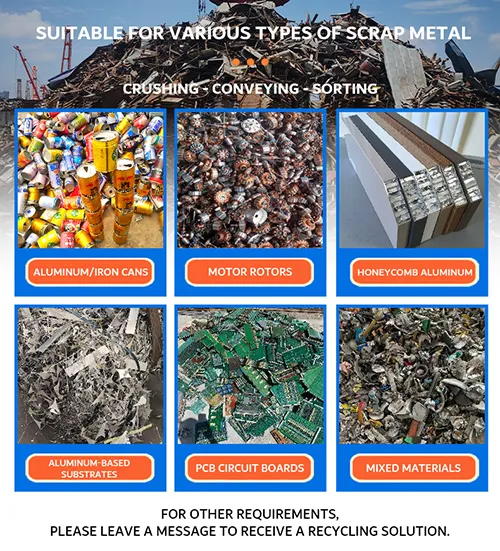
Scrap metal packaging recycling — Aluminum cans, tinplate cans, canned food containers, metal tins. After crushing, bulk density increases, facilitating transport and subsequent magnetic separation, eddy current sorting, or baling processes. This is the most typical application scenario for vertical crushers.
Appliance and electronic whole-unit recycling — Appliance shells, e-waste housings, small complete units. After crushing, metal and non-metal portions are easier to separate, feeding into downstream dismantling and sorting lines.
Light scrap steel processing — Sheet iron, thin steel plate offcuts, stamping scrap, thin furniture hardware parts. After crushing and volume reduction, it's easier to load and transport, or serves as pre-treatment for steelmaking furnace charge. Thick-walled profiles and solid parts are outside the applicable range.
Aluminum processing and recycling — Aluminum profile offcuts, aluminum plate trimmings, aluminum packaging. After crushing, it's easier to bale or further fine-crush, and easier to separate from iron parts.
Volume reduction process at recycling stations and baling stations — Used as pre-equipment before balers or shears: first crush irregularly shaped, bulky light materials into small pieces, then feed into baling or shearing processes, significantly improving the filling efficiency of downstream equipment.
Technical Specifications
| Model | Power | Size | Rotation diameter | Number of hammers | Number of layers | |||
| 600 | 37/55kw | 2000*660*1780mm | 600 | 20 | 4 | |||
| 800 | 55/75kw | 2200*860*1980mm | 800 | 24 | 5 | |||
| 1000 | 75/90kw | 2700*1160*2000mm | 1000 | 24 | 5 | |||
| 1250 | 90/110kw | 2800*1400*2730mm | 1250 | 30 | 6 | |||
| 1500 | 160/315kw | 3000*2350*4850mm | 1500 | 30 | 6 | |||
| For more information, please contact us: 8615736727558 hnytzgjx@163.com | ||||||||
FAQ Section
Frequently Asked Questions!
Find answers to frequently asked questions about our products, services, and policies—all your queries will be addressed here.

What maintenance does a vertical crusher need?
Hammer and grate inspection, rotor balance, bearing lubrication and belt tension. Above all, replace hammers as a balanced set: an unbalanced rotor causes vibration and bearing wear.
How is a vertical crusher fed?
Usually by a short conveyor, a hopper with a vibrating feeder, or a chute, since material only needs to reach the top opening. Manual feeding suits the smallest units only.
What is the capacity range of your vertical crushers?
From 500 to 10000. Real capacity depends on your material and required output size; light material processes faster than dense material.
Why is there no screen on a vertical crusher?
Screens and grate bars must be cleared when long, wet or sticky material clogs them. Without a grate the machine discharges as it crushes, so mixed and elongated light scrap does not block it.
What are the advantages of a vertical design?
Smaller footprint, simpler gravity feeding by a short conveyor or chute, easier installation and relocation, and often lower power for a given output than an equivalent horizontal machine.