
Baler
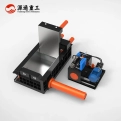
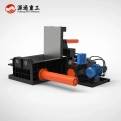
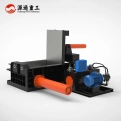
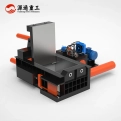
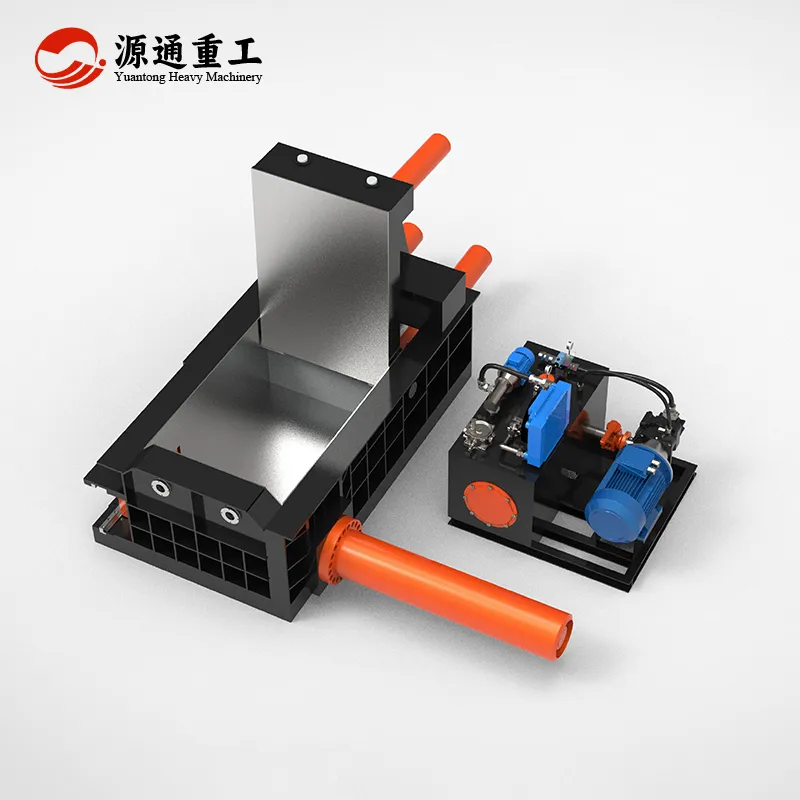
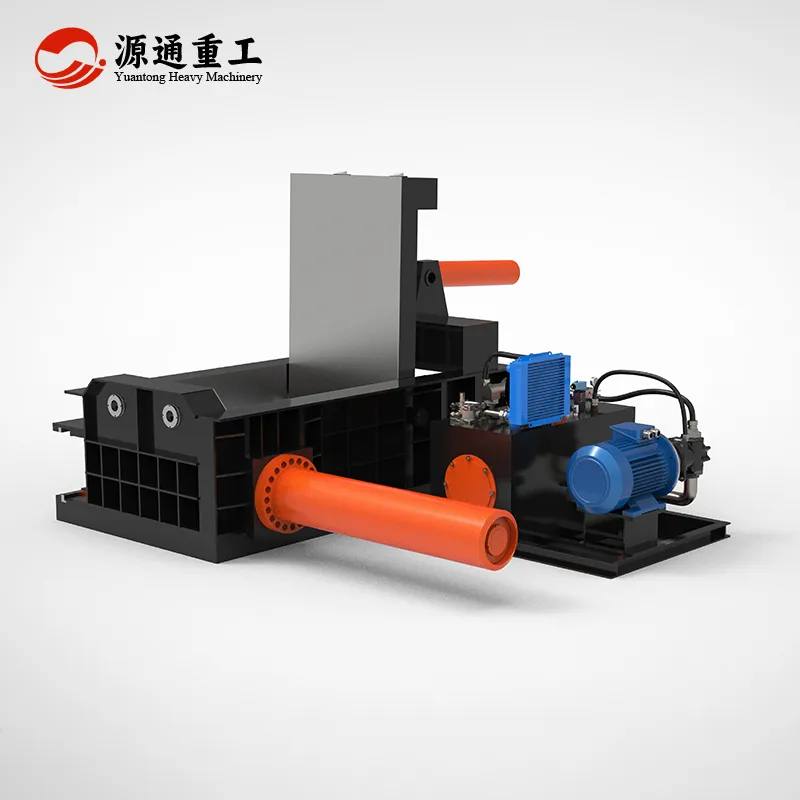
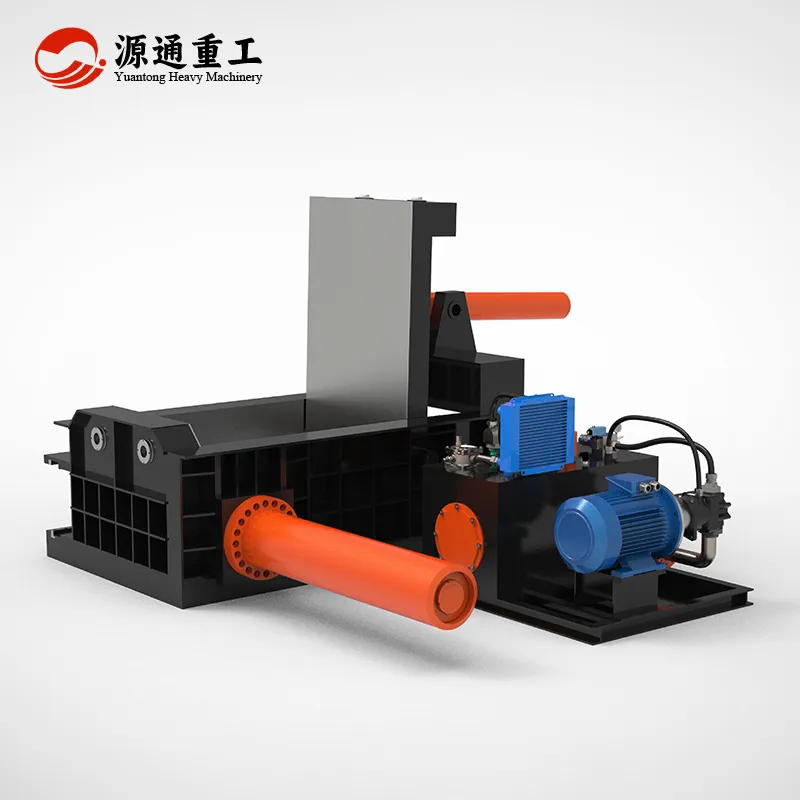
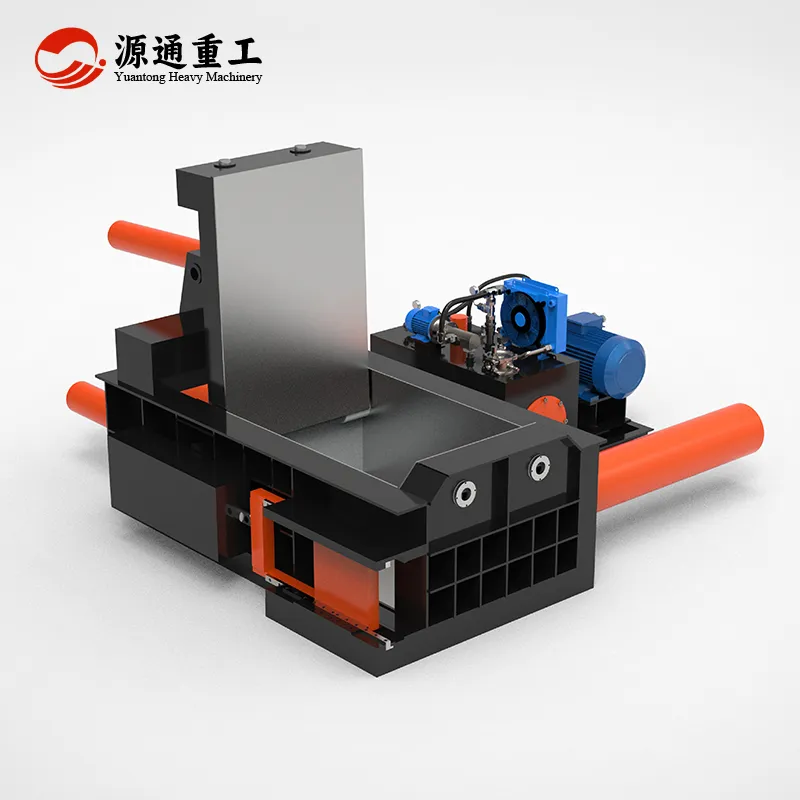
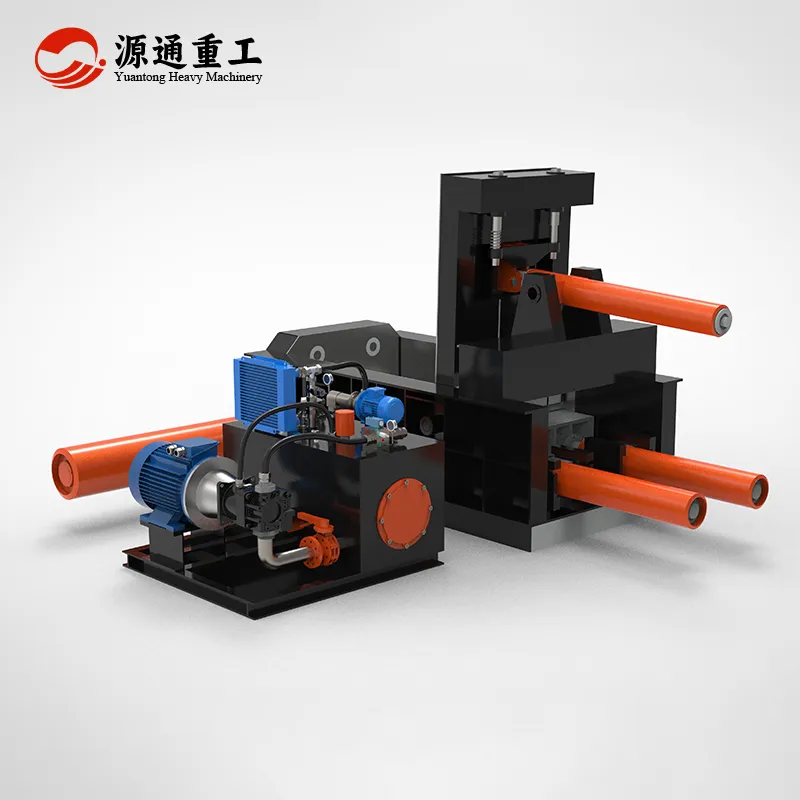
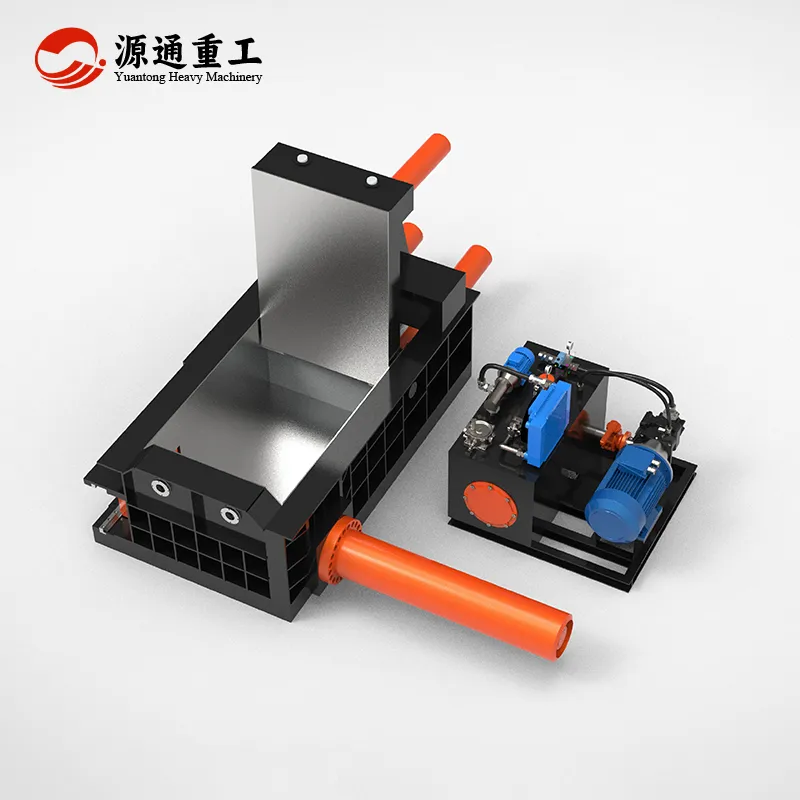
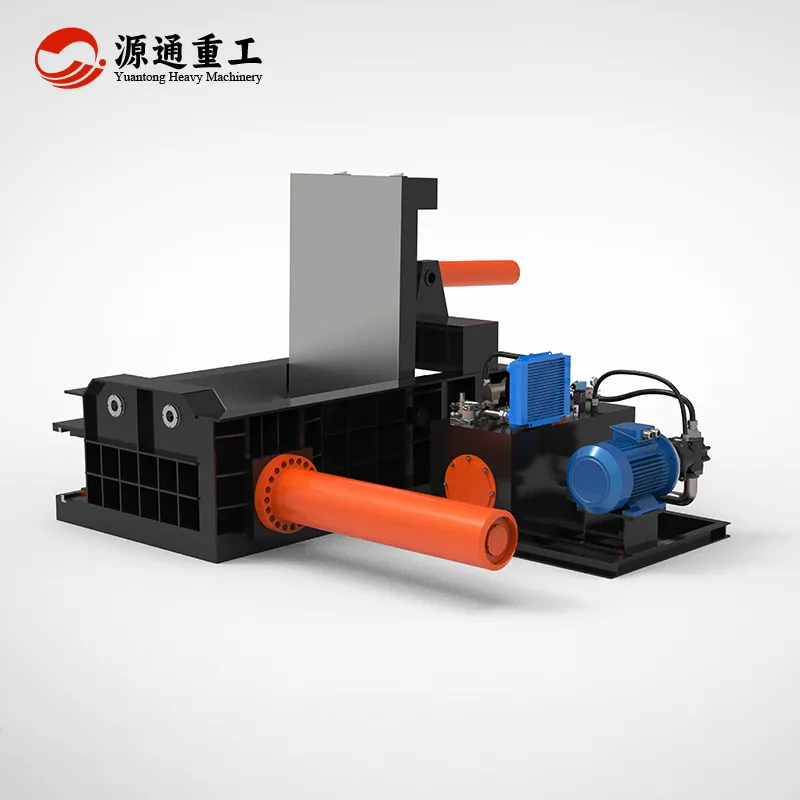
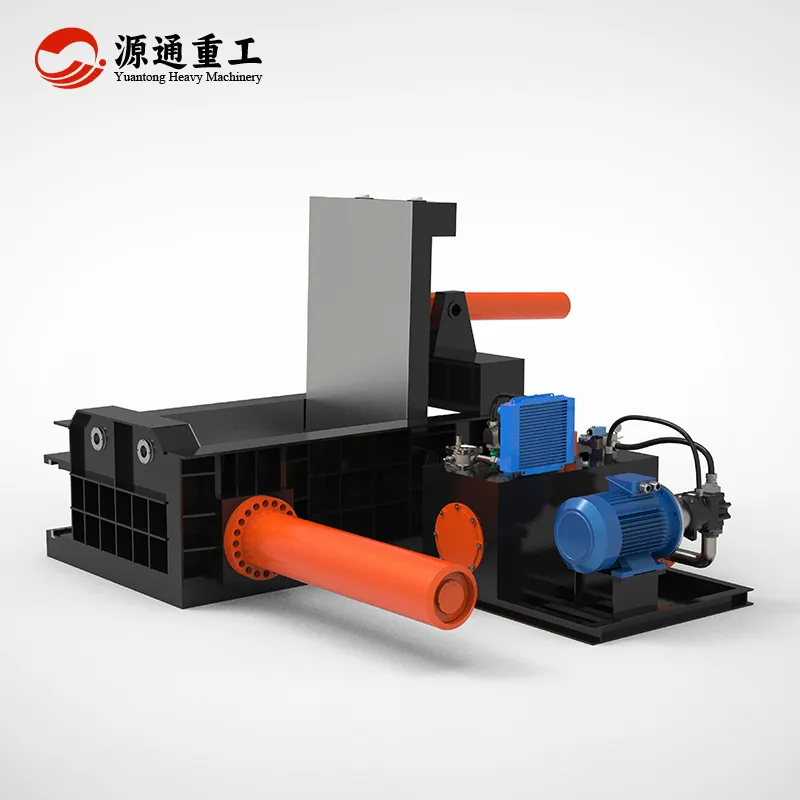
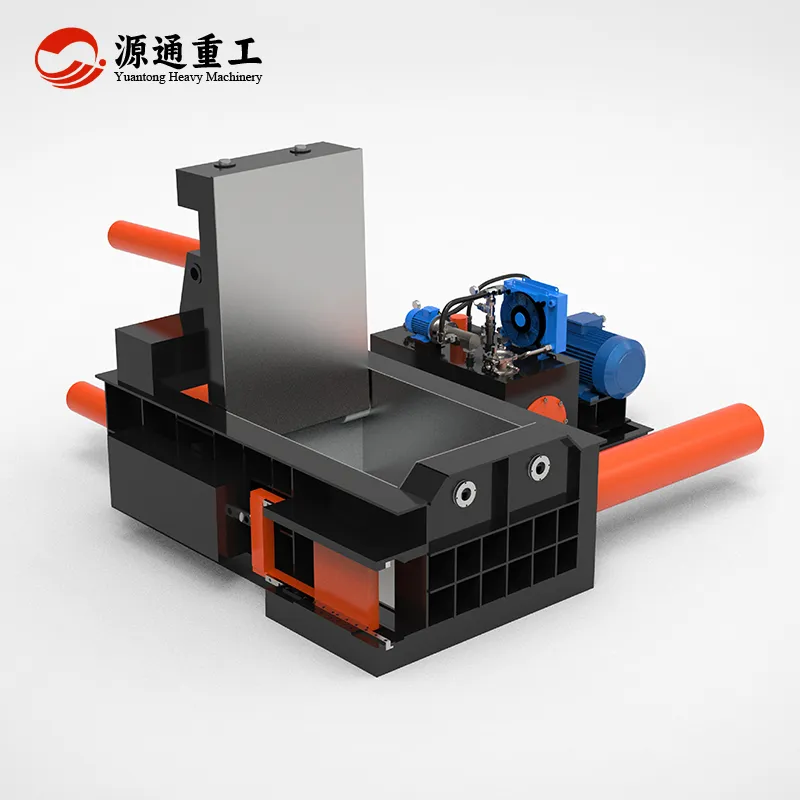
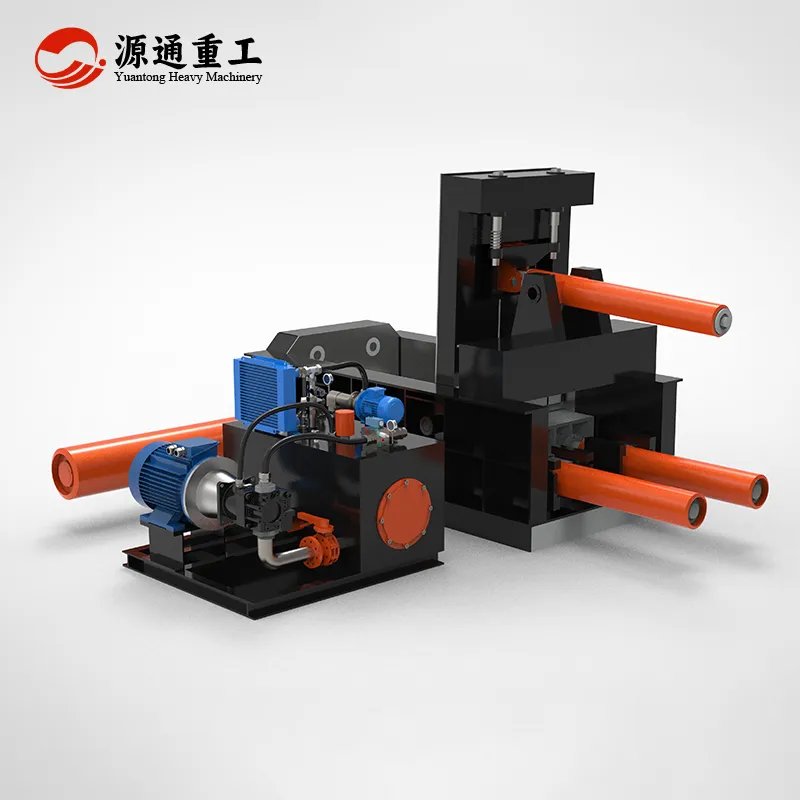
Scrap Metal Baler
Hydraulic scrap metal baler compresses loose scrap — plate offcuts, iron sheet, aluminum — into dense bales. Custom bale size, optional door blades, P...
Model:
Y81K series
Power:
18.5-450 (kw)
Pressure:
125*2(T)-2000*2(T)
Bale weight:
500-2100kg
Why Buyers Choose a Scrap Metal Baler
Scrap yards, steel mills, aluminum plants and auto-part factories generate loose metal waste every day: iron chips, turnings, plate offcuts, cans, iron sheet, stamping skeletons. The problem is volume — the material is light and bulky: a truck carries only a few tonnes of loose scrap, the warehouse fills up, and furnace charging is slow and uneven.
Scrap metal baler solves this by cold-pressing loose scrap into dense bales. The same material shrinks to a fraction of its volume: a truck carries far more tonnes per load, bales stack neatly in the warehouse, and the furnace takes whole bales directly. Cold pressing — no heating, no additives — fully preserves the metal, and the bale is ready-to-charge furnace feedstock.
What the Scrap Metal Baler Solves
Transport cost: loose scrap is bulky and light, and freight is charged per truck. Baled scrap raises density, doubles the tonnes per load and cuts transport cost sharply.
Storage space: loose piles hold little; bales stack in neat layers and multiply warehouse utilization.
Slow furnace charging: loose scrap feeds slowly and unevenly; bales charge fast and evenly, speeding the melt and lowering smelting cost.
Trading: loose scrap is hard to measure and grade; bales are uniform in size and density — easy to weigh and price.
Working Principle
On the scrap metal baler, a motor drives the hydraulic pump (plunger type); oil flows through the valve block into the main cylinder, and the piston pushes the pressing head to compress the charge. One cycle:
Loading: loose scrap is charged into the hopper (feed box)
Pre-press: the head makes a first pass, compacting the loose charge in the pre-chamber
Main press: continued pressure gives the second squeeze to the set density; multiple press-and-hold passes
Forming: the bale holds at set pressure and takes shape
Door open: the hydraulic lock releases and the door opens
Ejection: the ejector pushes the bale out of the door
Tying: bale wires are applied (manual or auto tying), and the cycle repeats
Pressure is set per material and shown on the gauge; PLC runs the automatic cycle, and one operator handles the whole machine.
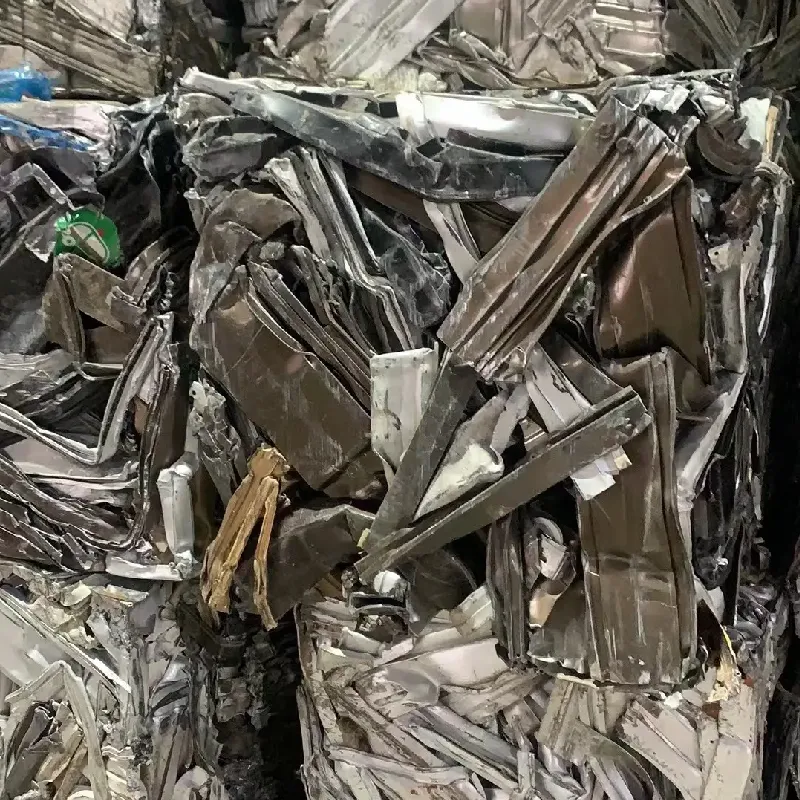
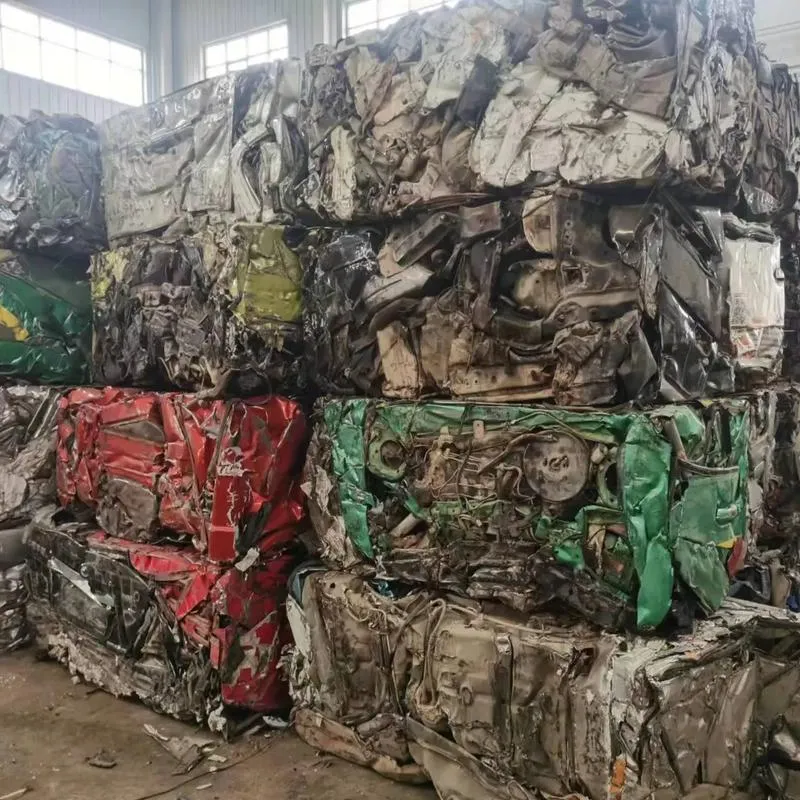
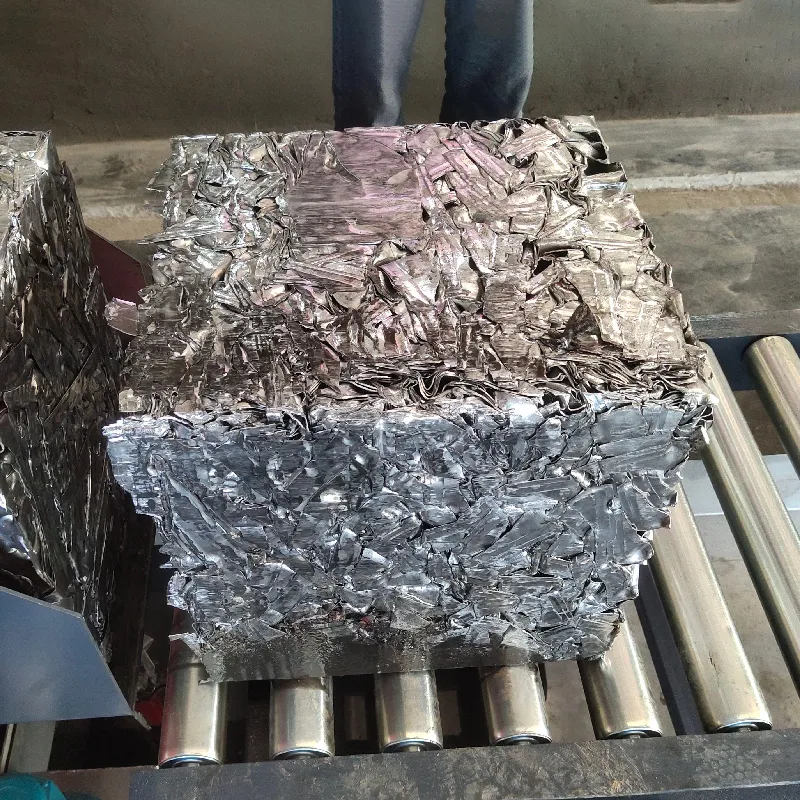
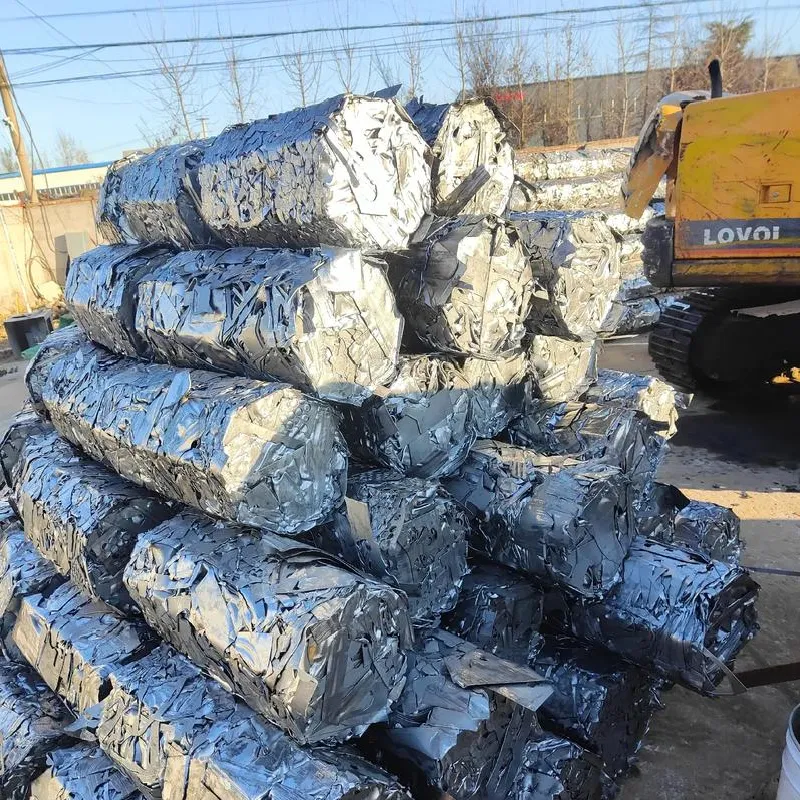
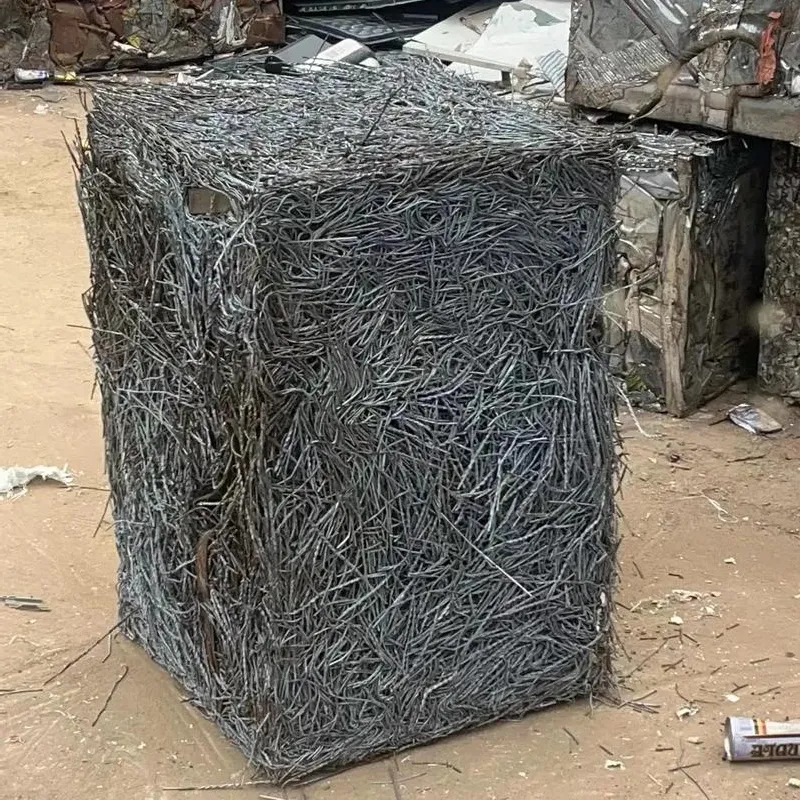
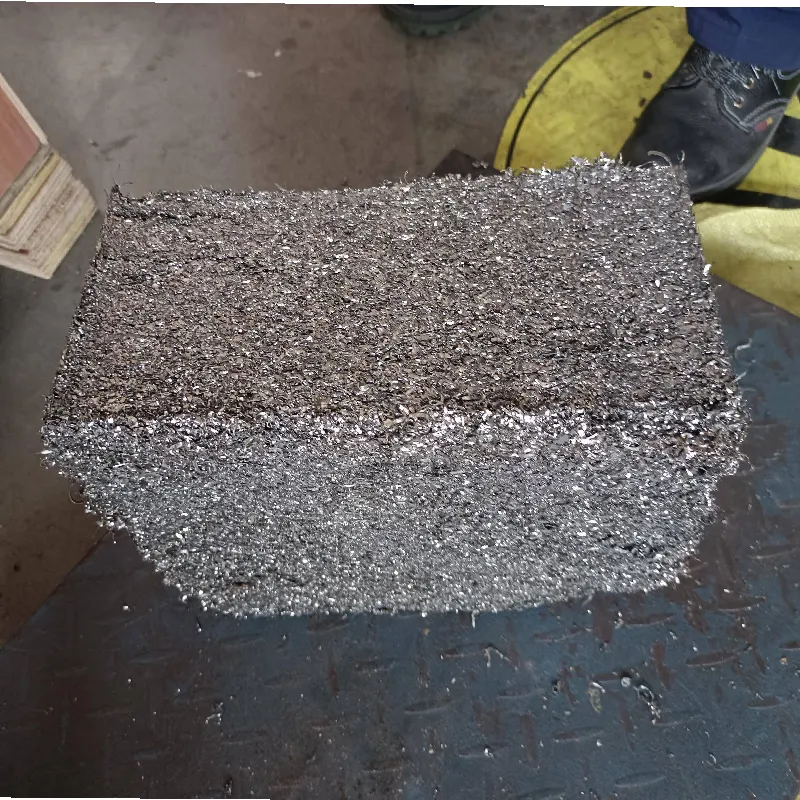
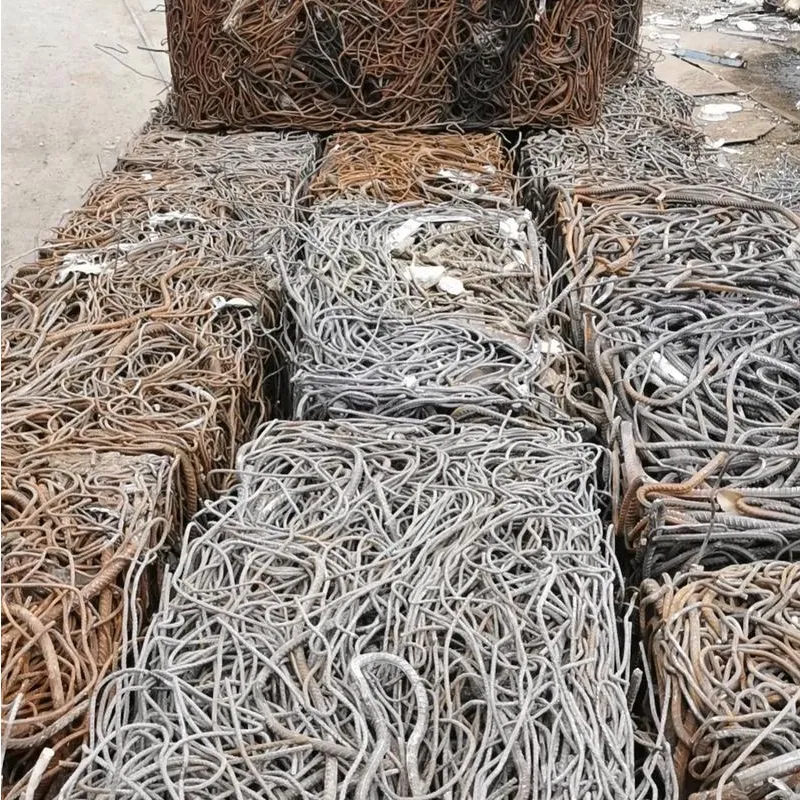
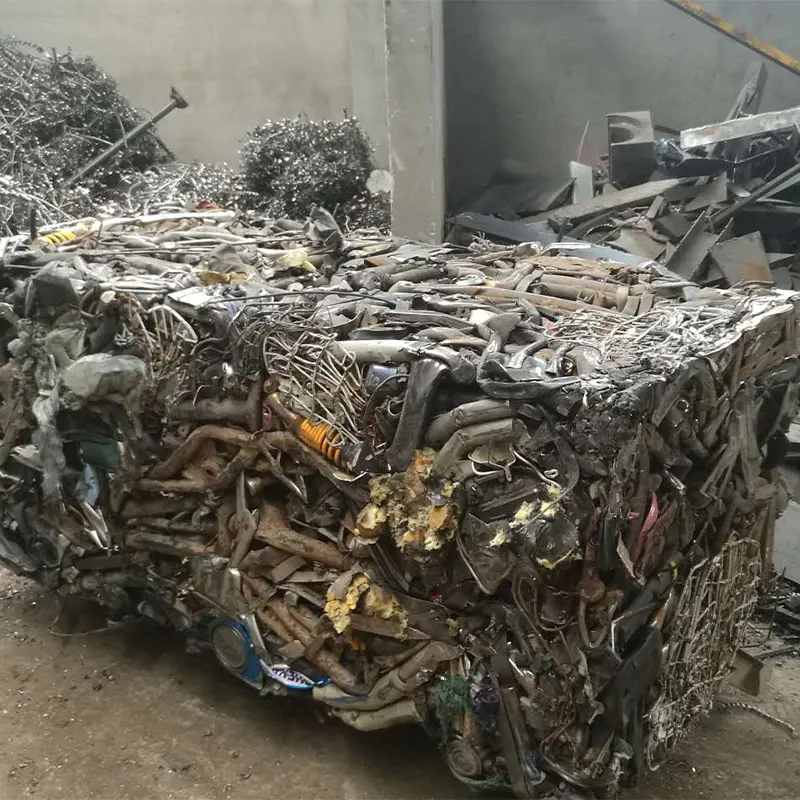
Custom Bale Size
On this scrap metal baler, bale size (L × W × H) is built to your requirement [to be confirmed: typical bale sizes]. Hopper volume, main cylinder stroke and door size define the maximum bale; size it to your storage and transport conditions:
Bale shape: rectangular standard; octagonal and cylindrical on request
Measured bale density: light steel scrap (iron sheet, thin plate, car frames) 1.4–1.8 t/m³; aluminum scrap (profiles, sheet, cans) 0.8–1.1 t/m³ — measured values, not theoretical
The rule: set the bale size and density target first, then the hopper and pressing force — sizing the other way wastes tonnage
Overall Structure
The scrap metal baler is built around seven assemblies:
Hopper (feed box): holds loose scrap; divided into pre-chamber and main chamber
Main press: main cylinder and pressing head — the core compression assembly
Door (discharge gate): seals the outlet during forming, hydraulically locked; optional shear blades
Hydraulic system: plunger pump, oil tank, valve block, cooler, filters
Ejector: pushes the formed bale out of the door
Frame: welded steel plate, stress-relieved after welding; takes the full pressing reaction
Electrical control: PLC, manual and automatic cycles, pressure and stroke set per material
Technical Specifications
| Model | Power (kw) |
Nominal pressure | Bin size (mm) |
Bale size (mm) |
Bale weight (kg) |
|||
| Y81K-125 | 18.5 | 125*2 | 1200*700*600 | 300*300 | 15 | |||
| Y81K-160 | 37 | 160*2 | 1600*1200*800 | 400*400 | 30 | |||
| Y81K-250 | 2*37 | 250*2 | 2500*2000*1000 | 500*500 | 50 | |||
| Y81K-315 | 3*37 | 315*2 | 3000*2500*1300 | 500*500/600*600 | 200 | |||
| Y81K-400 | 3*37 | 400*2 | 3000*2500*1300 | 600*600/700*700 | 300 | |||
| Y81K-500 | 3*37 | 500*2 | 3500*3000*1300 | 700*700 | 400 | |||
| For more information, please contact us: 8615736727558 hnytzgjx@163.com | ||||||||
FAQ Section
Frequently Asked Questions!
Find answers to frequently asked questions about our products, services, and policies—all your queries will be addressed here.

Are you a manufacturer or a trading company?
We are a professional manufacturer specializing in recycling and waste processing equipment.
Can you customize the machine according to our requirements?
Yes, we provide customized solutions based on your materials, capacity, and site conditions.
What materials can your shredders process?
Our shredders can process metal scrap, plastics, tires, e-waste, wood, and various solid wastes.
Do you provide installation and technical support?
Yes, we offer complete technical support, installation guidance, and after-sales service.
How can I get a quotation?
Simply send us your material type, capacity requirement, and project details for a quick quotation.